
The printing process
A seamless process where precision meets performance
UpNano’s platforms use a light-based printing method belonging to multiphoton lithography for producing three-dimensional micro-components from plastic. A pulsed femtosecond laser serves as the light source, with the emitted laser beam focused into the viscous resin using high numerical aperture microscope objectives. By scanning the laser beam, the structure is printed according to the imported 3D model, resulting in fully polymerized polymeric components renowned for their exceptionally small and intricate structural details. With few exceptions for special materials, these components can be utilized directly without requiring any post-processing steps.
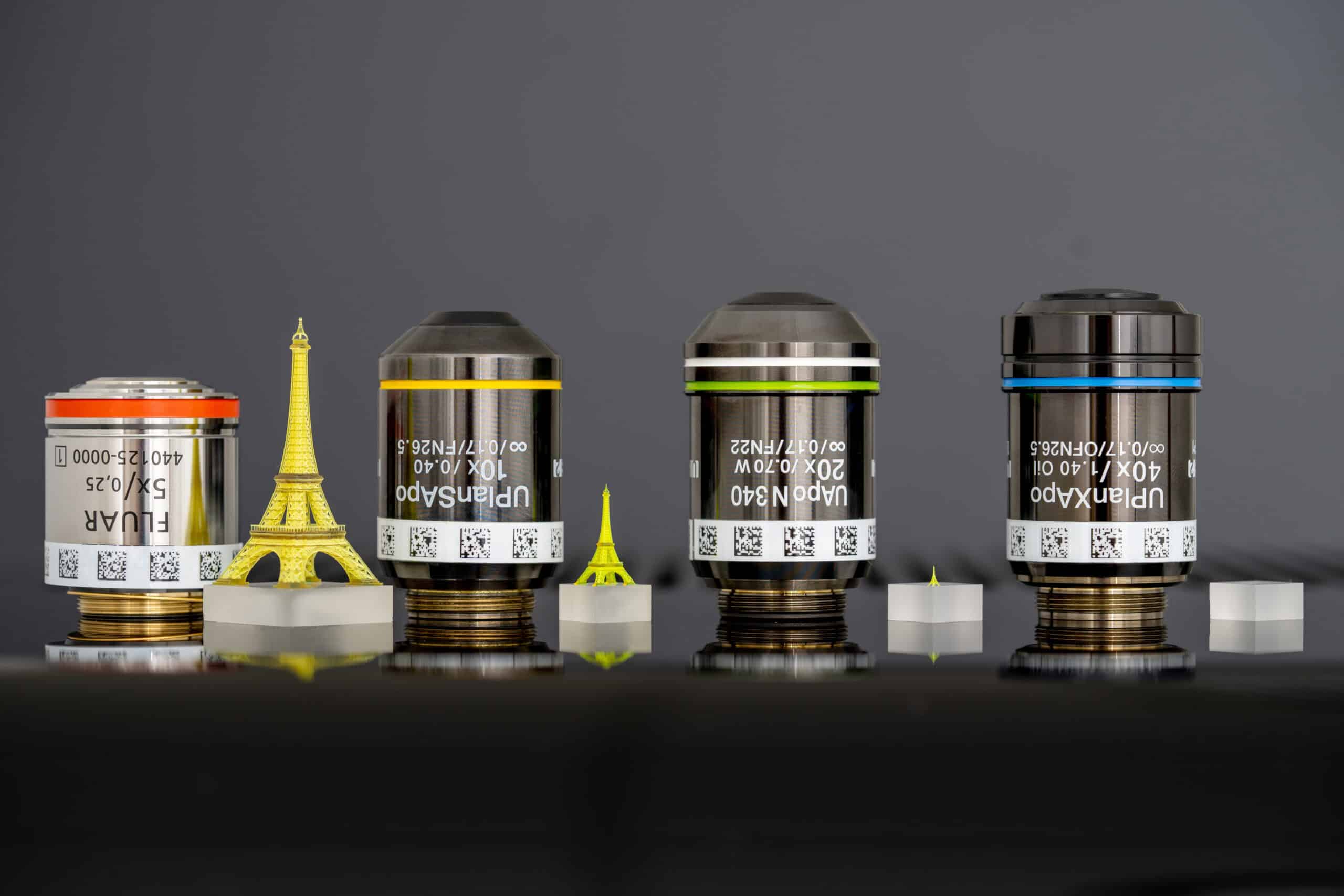
The choice of microscopy objective determines the size of the voxel, or the focal point of the laser beam, and thus the polymerization volume. Resolution needs and the overall size of the object are critical factors in selecting the objective. Higher magnification objectives enable the production of finer structural details. With 40x and 60x objectives, lateral details smaller than 100 nm can be realized, while the 5x objective allows for the production of macroscopically large components. The versatility makes UpNano printing systems the fastest and most advanced 2PP-3D printers on the market.
Vat print setup
For the production of taller structures, the NanoOne offers a unique vat print setup that enables the fabrication of large objects with a height of up to 40 mm. In this setup, a vat with a precision glass window is positioned above the objective, preventing resin contact and preserving the focusing power of the objectives. The element is printed layer by layer, with the object being drawn up out of the resin vat while maintaining a constant distance between the current print layer and the objective. This approach ensures consistently high precision throughout the printing process, guaranteeing optimal printing conditions and precise results. It is the preferred printing setup for producing high-quality, large micro-components.
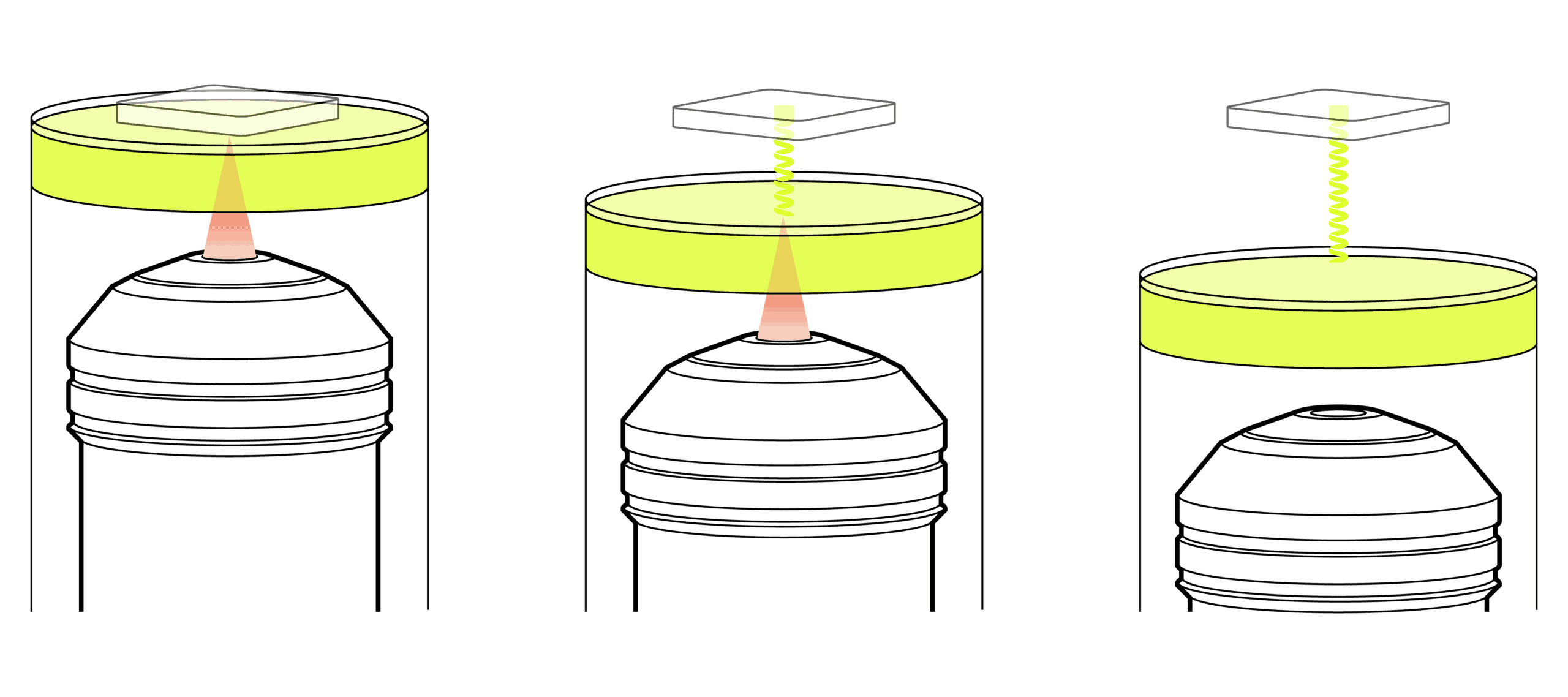
- High degree of design and manufacturing flexibility
- Compatible with standard substrates up to 40 mm edge length
- Vats equipped with cap for convenient resin storage
- Constant focusing power throughout the printing process
Bottom-up print setup
The bottom-up print setup provides an effective solution for producing flat structural elements and enables the direct manufacturing of high-resolution structures within a substrate. In this setup, the laser beam is focused through the high-precision glass bottom of the substrate, allowing the structure to be built from the bottom to the highest point of the geometry. Throughout the printing process, the distance between the objective and the build platform gradually decreases. Potential substrates suitable for this printing setup include well plates, petri dishes and microfluidic chips.
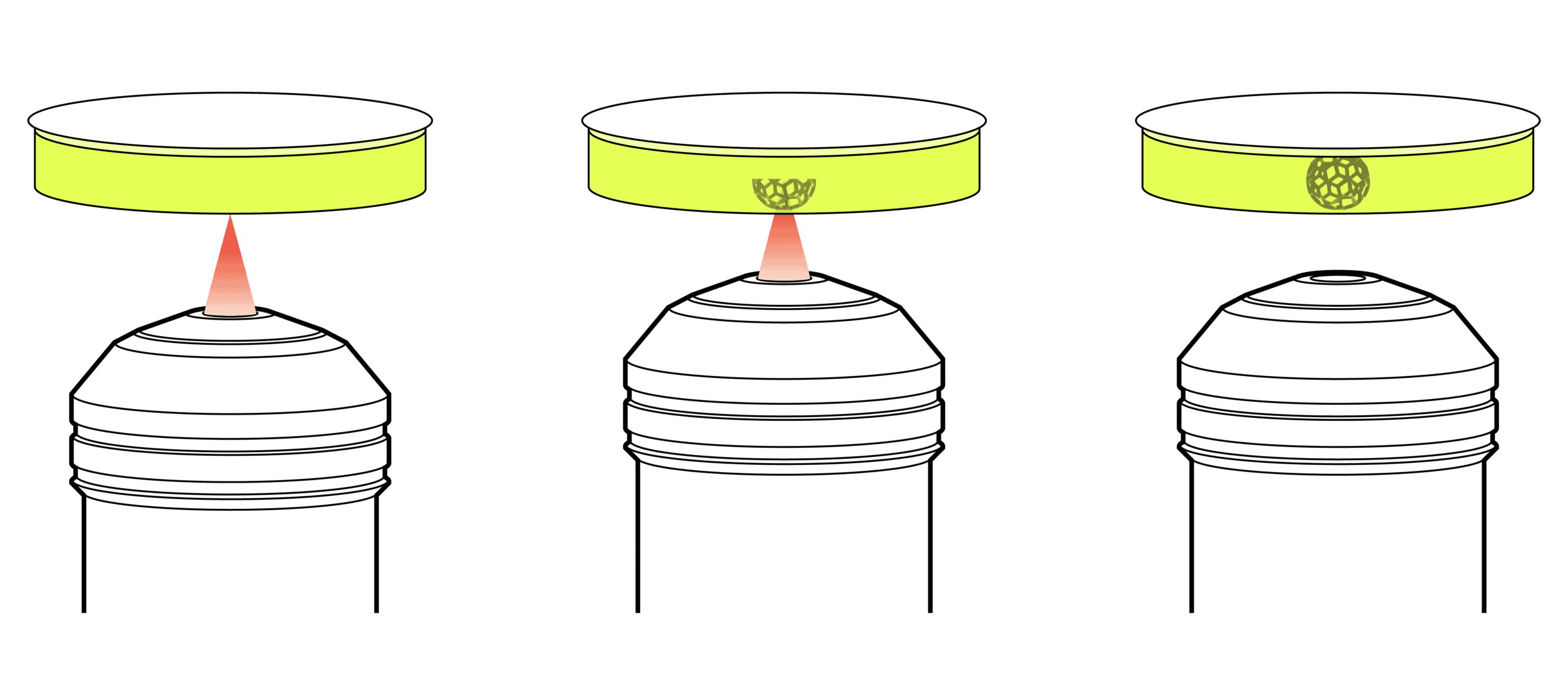
- Compatible with most printing resins from the portfolio
- For structuring directly within glass-bottom substrates
- Enables sterile production of micro-components
Top-down print setup
Similar to the bottom-up approach, resin is applied to or within a chosen substrate. However, the difference lies in the initiation point of printing, which starts at the top of the geometry instead of the bottom. This method prevents objects from being printed through already polymerized resin, ensuring no loss of resolution throughout the printing process as the distance between the objective and the build platform gradually increases. While this print setup presents several advantages, it is limited to certain resins with higher viscosity or when using pre-coated substrates.
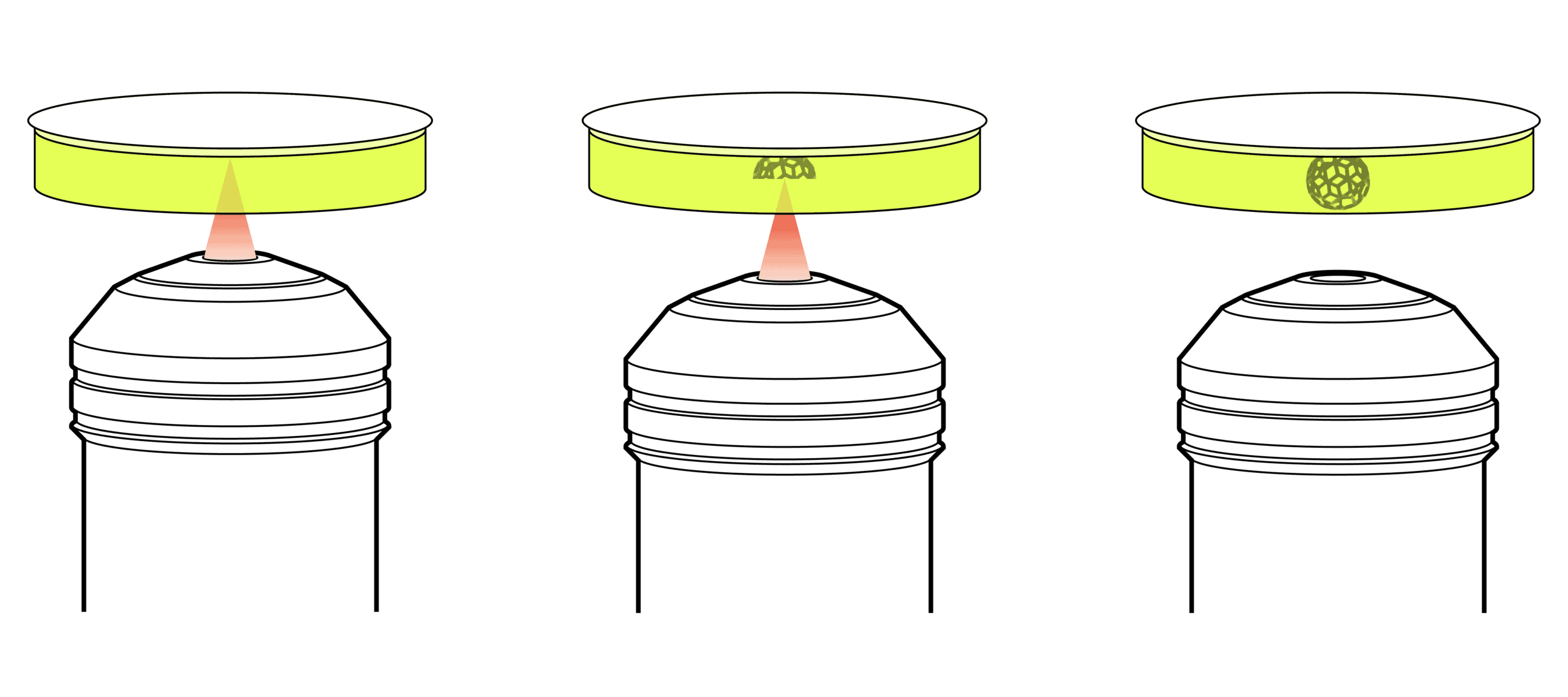
- For the production of complex, freestanding structures
- Printing of structures within a microfluidic channel
- Suitable for sterile manufacturing of structures and bioprinting
- Micro-component manufacturing directly on wafers