
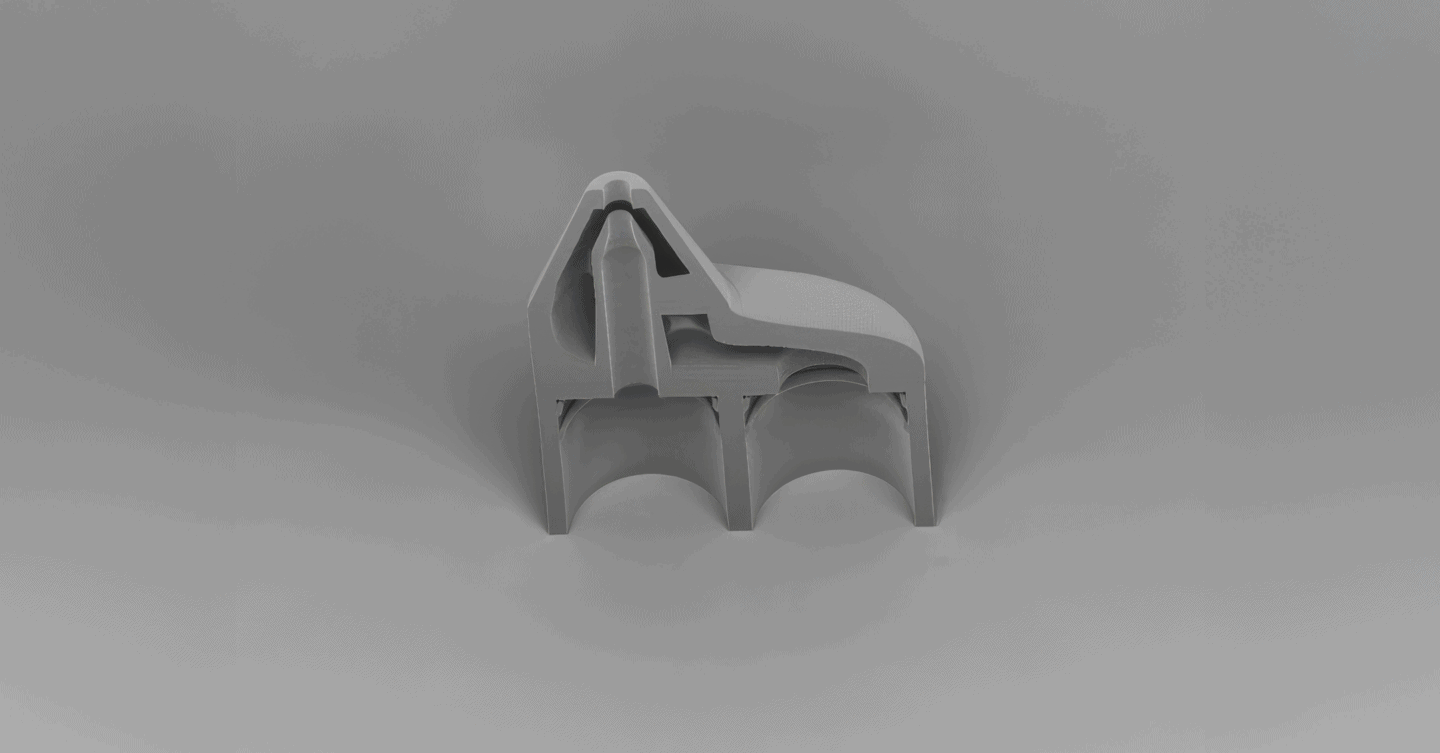
Application Areas
Breaking the barriers of nano- and microfabrication
UpNano solutions significantly reduce production times and unit costs for microparts, all while maintaining exceptional resolution and tolerances. The versatile technology, based on multiphoton lithography, allows for manufacturing of the highest precision components with structural details below 100 nm and macroscopic microparts in the centimeter range across a wide variety of applications.

Sophie Zagiczek
Team Lead Application
Our customers’ diverse applications constantly inspire us. We have a strong conviction that 2PP-3D printing holds immense value for countless industries, and we’re excited to collaborate with our customers in exploring these exciting possibilities.
OPTICS & PHOTONICS MICROFABRICATION
From AI data centers and co-packaged optics to quantum technologies and optical communications, the future of computing depends on photonic integration. Manufacturing these devices requires a new level of precision, alignment and design freedom.
UpNano’s multiphoton lithography platforms enable the fabrication of optical and photonic components that meet these demanding requirements, from sub-micron features to millimeter-scale parts with optical-grade surface quality down to Sq 5 nm.
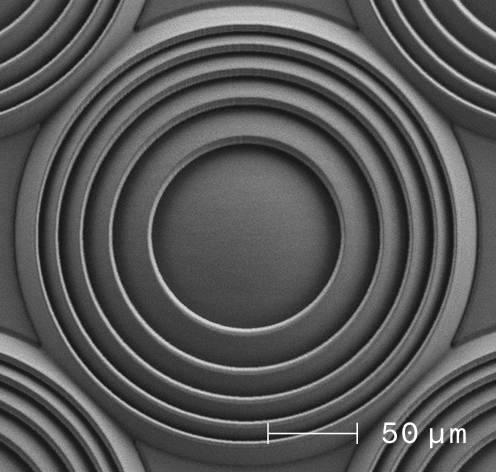
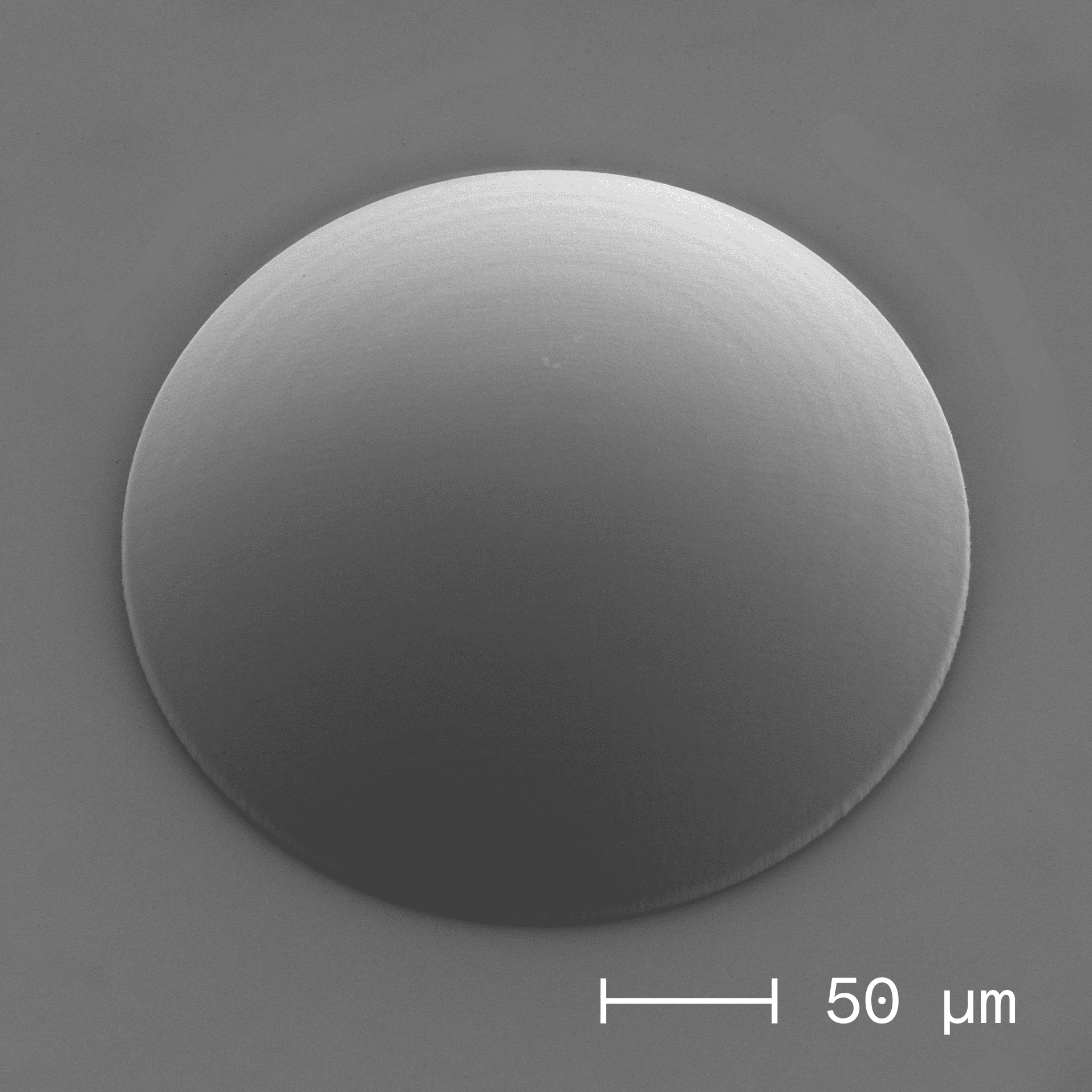
- Sq < 5 nm surface roughness
- Print time < 3 sec for 250 µm diameter microlenses
- Shape accuracy < 20 nm
From sub-10 μm microlenses to multi-millimeter scale freeform optics.
All manufactured on the same platform.
UpNano develops high-resolution 2-photon polymerization (2PP) solutions that bridge the gap between optical design and scalable manufacturing. Our technology supports integrated process of alignment and optical component placement, in-situ correction replacing active alignment, and scalable fabrication strategies for both prototyping and high-yield production.
“Co-packaged optics don’t scale unless manufacturing does. Performance alone isn’t enough to bring CPO into real deployment.” – Senko
Adaptive print modes for efficient, high-precision manufacturing
UpNano’s systems deliver precision where needed and speed where possible by combining our patented Adaptive Resolution Fine and Coarse print modes within the same print job.
Complemented by our 3D Adaptive Resolution (3DAR) technology which dynamically adjusts voxel height to achieve optical-grade, stitch-free surface quality on complex optical and photonic parts such as lenses or mirrors without compromising print speed.

PHOTONIC INTEGRATION

MULTI-FIBER ALIGNMENT AND PRINTING CAPABILITIES
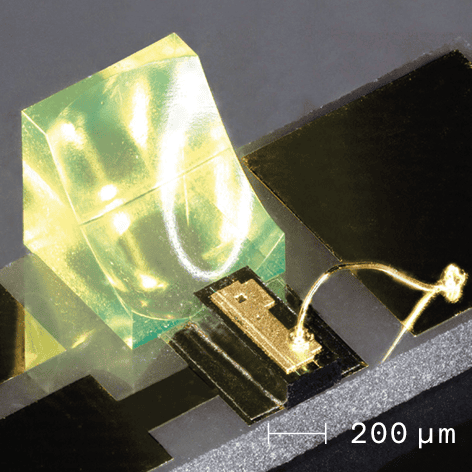
Total internal reflection (TIR) output collimators on fiber array unit (FAU) printed in-place with automatic fiber-core detection and alignment.
FACET-ATTACHED MICROLENSES (FaML)
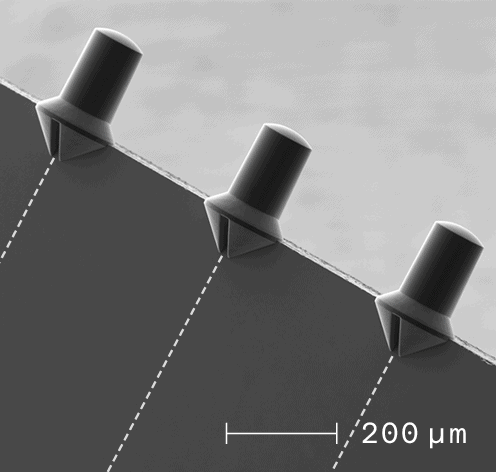
Wafer-scale manufacturing of aligned in-plane optics for fiber-to-chip or chip-to-chip coupling with minimal signal loss and high production yield.
ALIGNMENT AND PRINTING DIRECTLY ON CUSTOM CHIPS
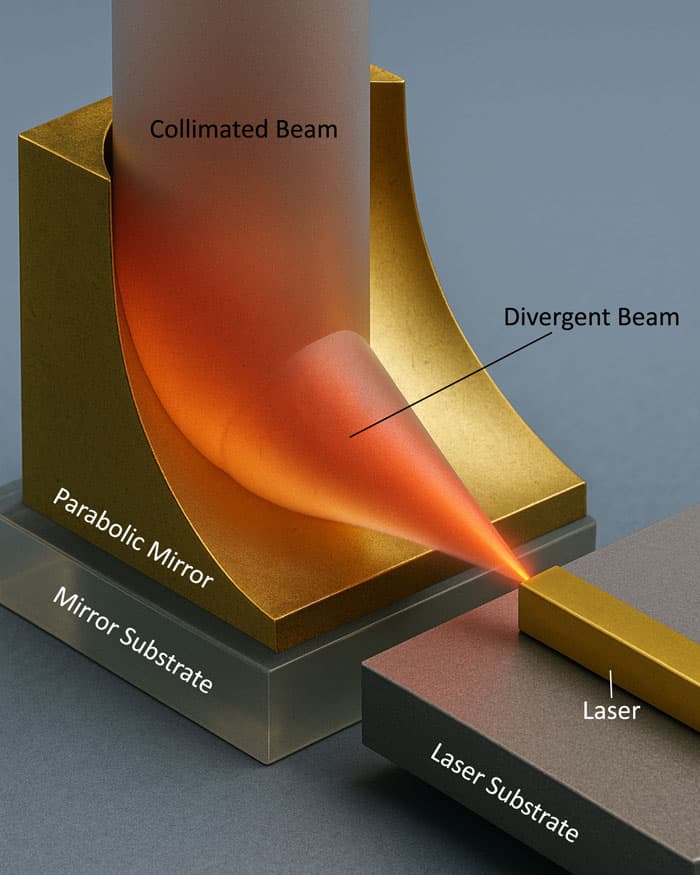
Parabolic mirror printed directly on a sub-mount platform and coupled into a Herriott cell for sensitive in-situ gas analysis.

LENSES ALIGNED AND PRINTED ON FIBER ARRAY UNIT (FAU)
Microlenses printed in-place on 8-fiber array unit (FAU) using the fiber array holder with automatic fiber-core detection and alignment.
MICRO TO MACRO-SCALE OPTICAL COMPONENTS
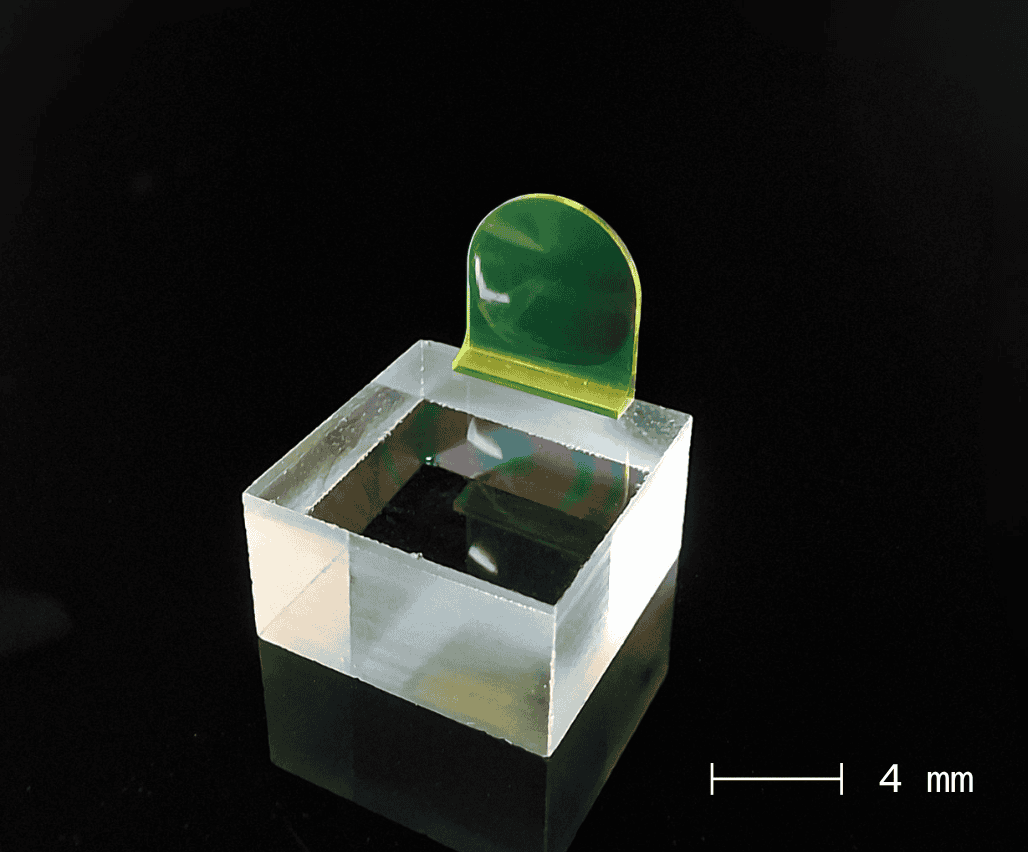
MACROSCOPIC LENSES
Combining multiple print modes, UpNano’s technology enables the fabrication of this seamless 6 mm diameter multi-FOV lens while maintaining Sq 10 nm surface roughness.
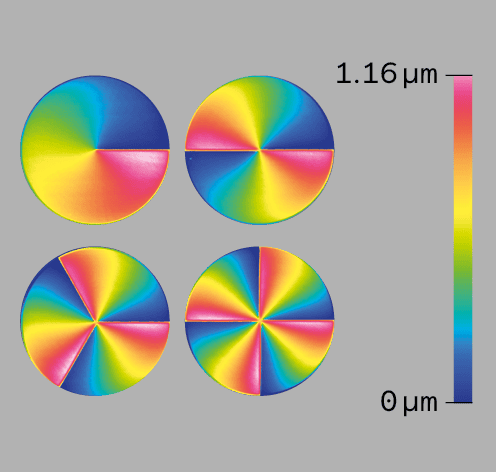
BEAM-SHAPING OPTICS
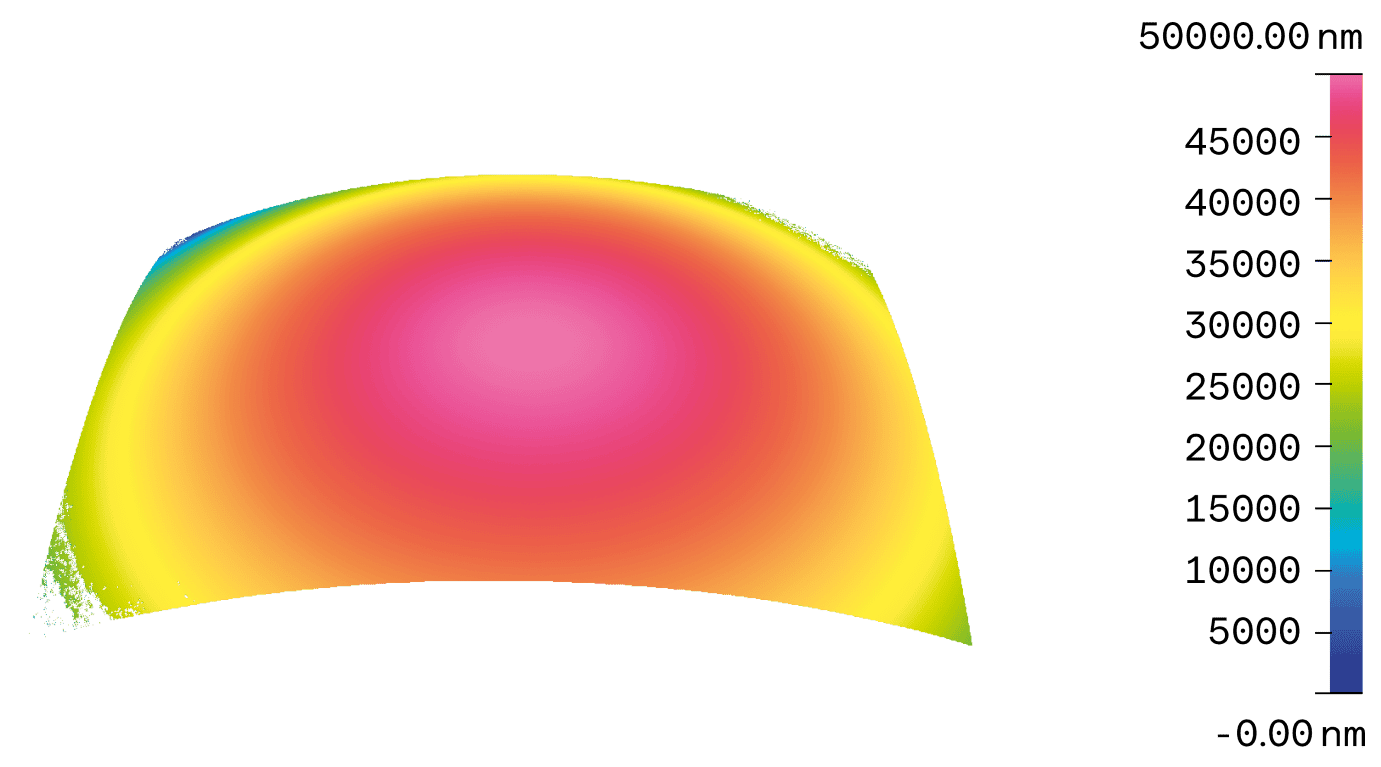
Height map of spiral phase plates manufactured in under 10 seconds while maintaining < 20 nm shape accuracy.
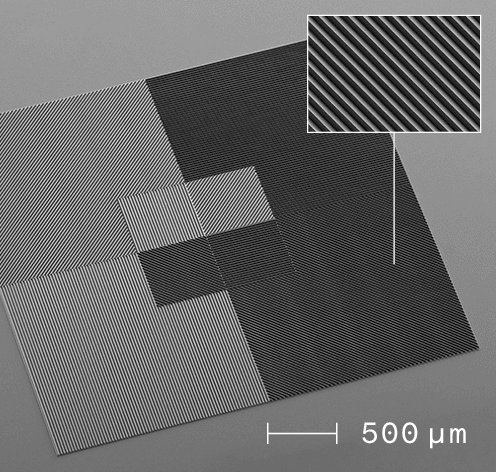
LARGE-AREA STITCH-FREE PLANAR OPTICAL ELEMENTS
Triangular diffraction grating fabricated as a master for holography and large-area replication.
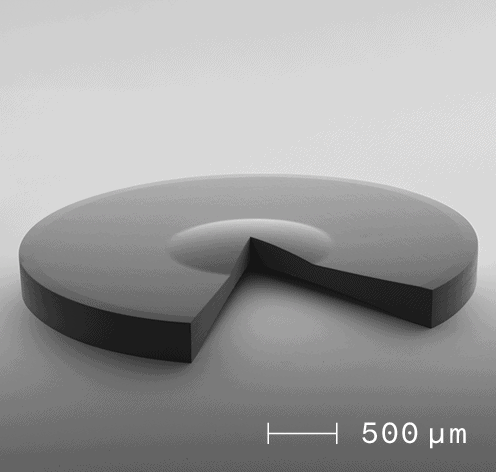
LARGE FREEFORM OPTICS
Double-sided freeform lens fabricated stitch-free with optical-grade surface quality.
COMPLEX LENS ASSEMBLY WITH SUPPORT STRUCTURES
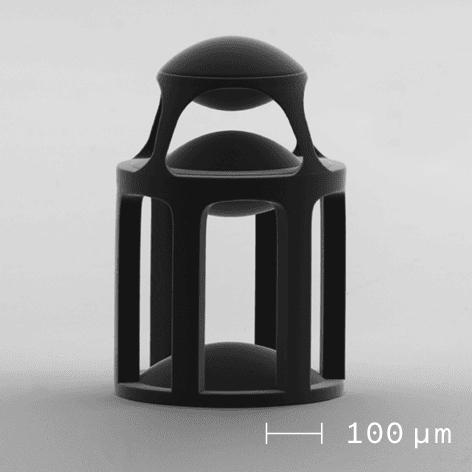
Directly printed stacked assembly of biconvex aspheric lenses.
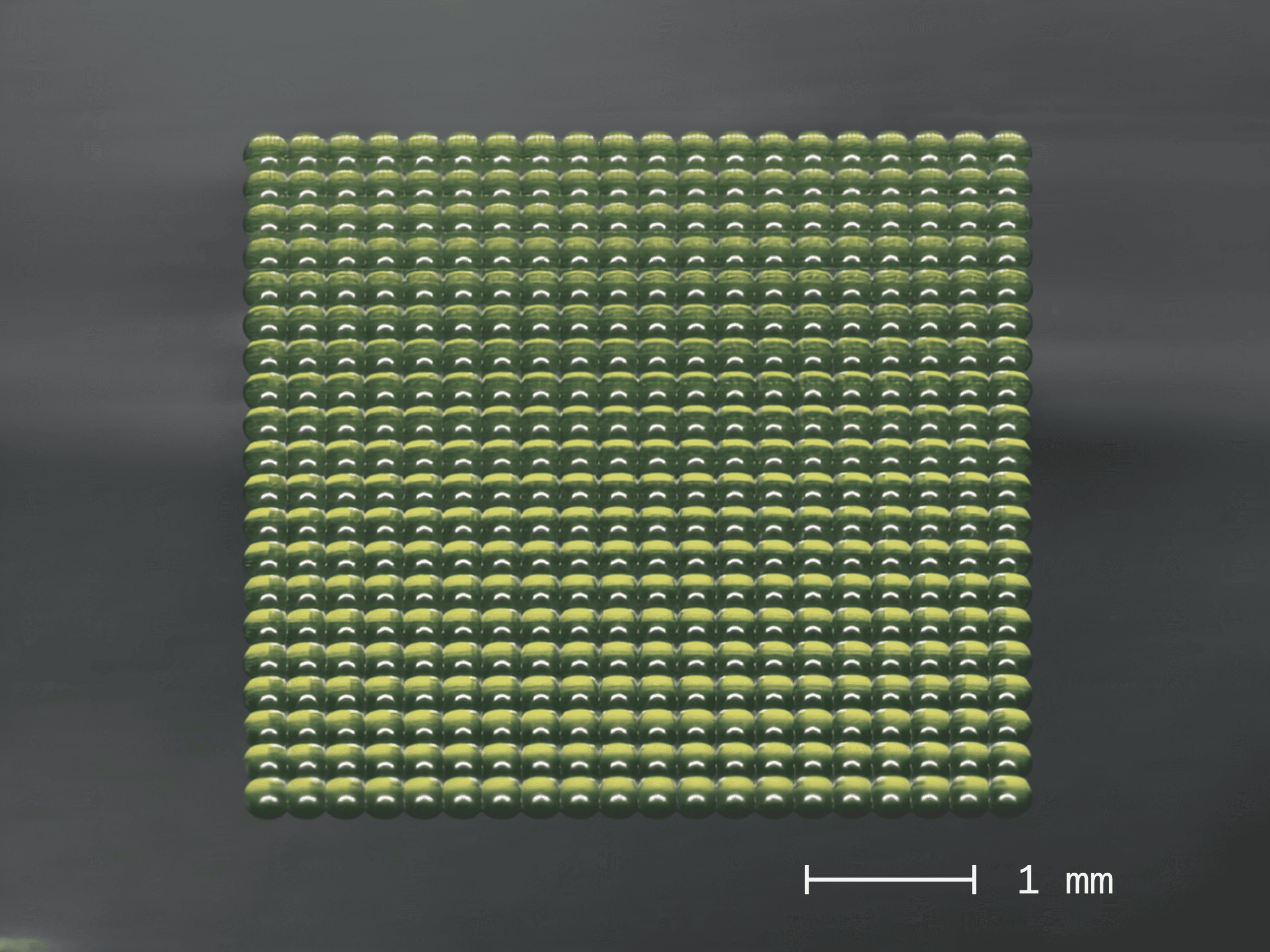
MICROLENS ARRAY (MLA)
Microlens array for direct use or as a master for replication processes.
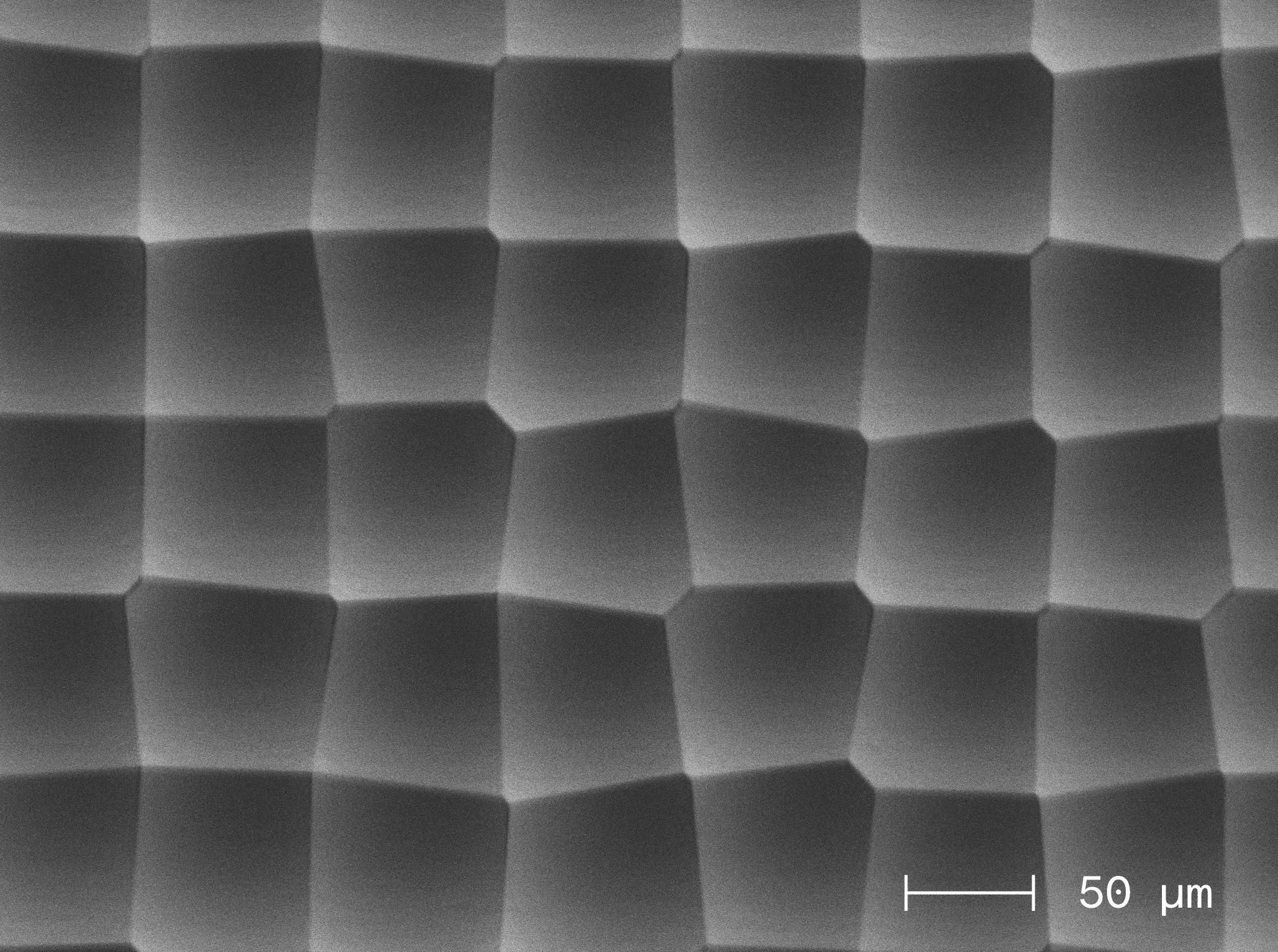
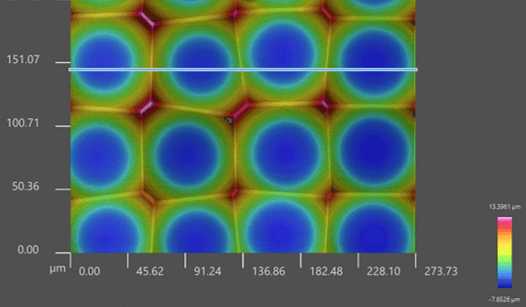
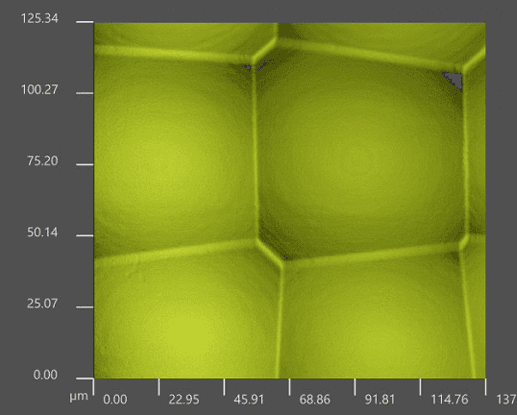
OPTICAL-GRADE SURFACE QUALITY ACROSS MLAs
Concave microlens array with randomized position and overlapping lenses.
HIGH-SPEED MICROLENS PRODUCTION
High-throughput fabrication of microlenses without compromising optical surface quality.
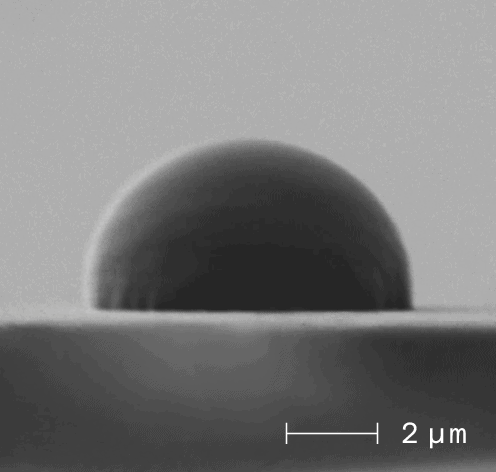
SUB-10 µm MICROLENSES
Aspheric microlens with 7 µm diameter with optical-grade surface quality fabricated in under 3 seconds.
OPTIMAL RESINS FOR OPTICS & PHOTONICS APPLICATIONS
UpPhoto
High-performance resin for functional optics
Optimized for functional optical components which require high optical performance and a streamlined manufacturing workflow.
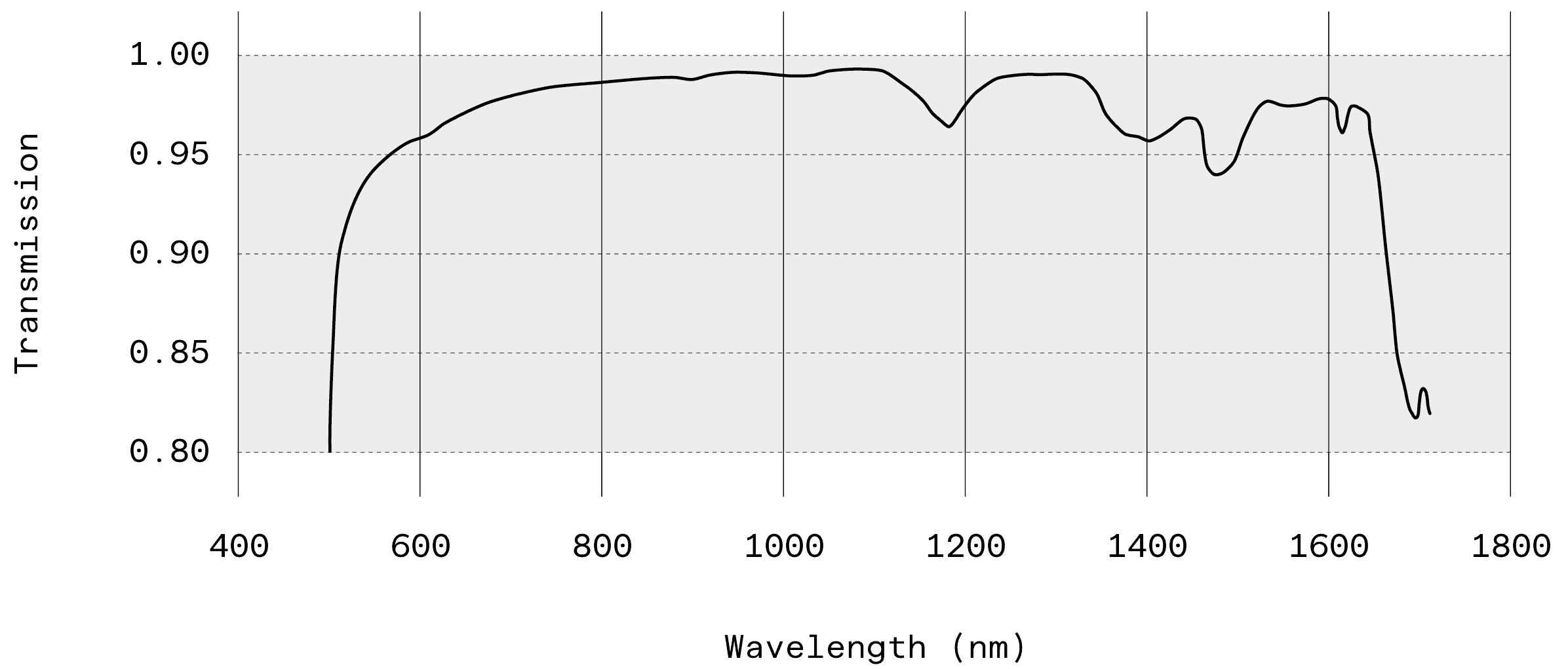
- Transparent across O–L telecom bands
- Autoclavable and reflow approved
- Fully cured directly after printing
UpOpto
High optical transparency resin
Developed for demanding optical components where maximum transmission in the VIS spectral region and minimal background signal are essential.
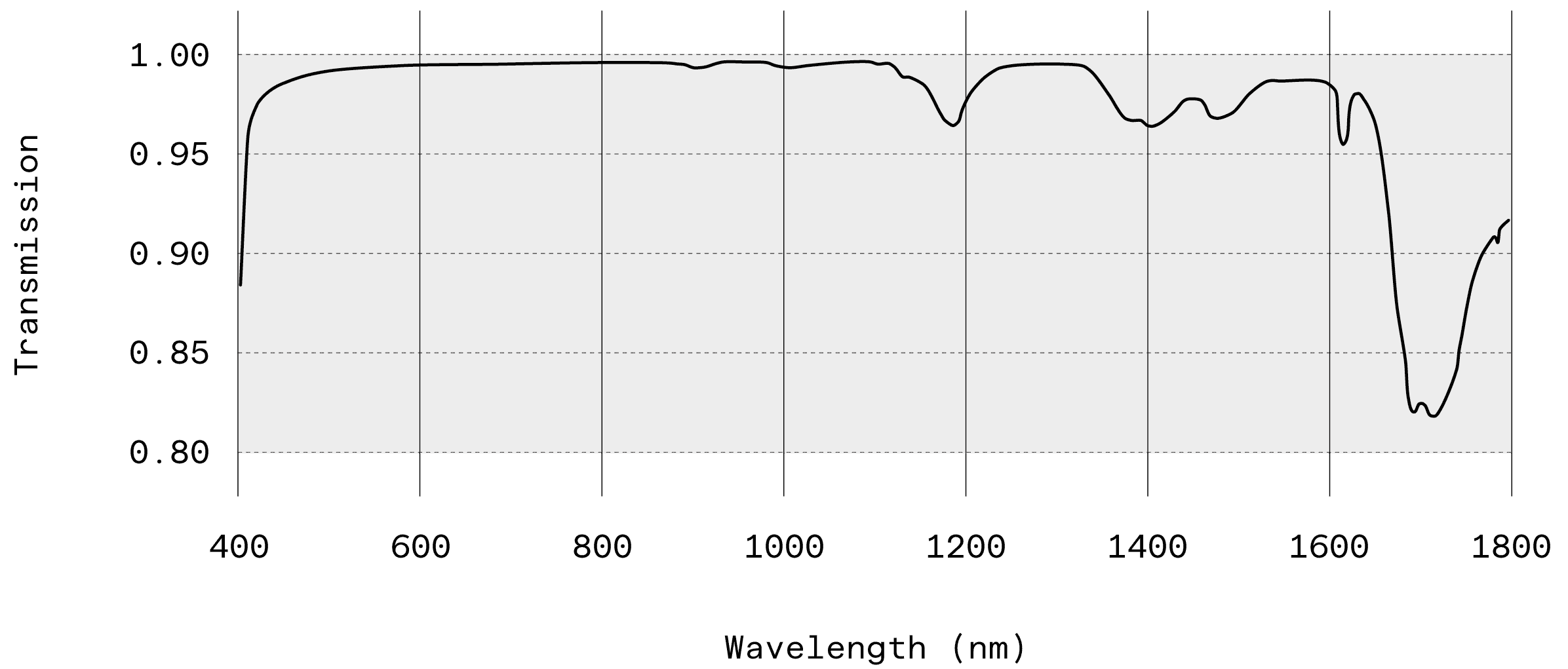
- High transmission down to 380 nm
- Ultra-low autofluorescence
OUR METROLOGY STANDARD
Device: Sensofar S neox
Standard: ISO 25178 (F-Filter: 3rd order polynomial, L-Filter: 8 µm)
ACCESSORIES FOR PHOTONIC INTEGRATION
Purpose-built accessories expand the NanoOne 2PP 3D printing platform’s capabilities beyond standalone optics, enabling direct integration with fiber-based photonic components and packaging workflows.

SINGLE FIBER & FERRULE HOLDER
Enables direct printing onto single optical fibers or ferrules for micro-optics and photonic packaging. Automated tip and core detection ensures precise alignment and streamlined setup.

FIBER ARRAY HOLDER
Supports direct printing on multiple fibers in fiber array units (FAU) simultaneously for high-throughput photonic applications. Automated core detection and geometry alignment ensures efficient, repeatable fabrication across fiber arrays.
FURTHER VALIDATION IN PUBLISHED RESEARCH
High-resolution 3D-printed reflective micro-collimators for facet-emitting mid-infrared lasers
Magnetic remote actuation of soft materials is attractive for applications such as transforming materials and medical robots. However, due to manufacturing limitations, microscale magnetoactive devices are scarce and light-based additive manufacturing methods, despite achieving microscale resolution, struggle with particle-induced light scattering. Moreover, large hard-magnetic microparticles restrict ultimate feature sizes and deformation of soft-magnetic nanoparticle composites requires impractically high loading and field gradients. Among successfully fabricated microscale soft-magnetic composites, limited control over particle loading, distribution, and matrix-phase stiffness has hindered their functionality. Here, we combine two-photon polymerization with iron oxide nanoparticle co-precipitation to fabricate 3D-printed microscale nanocomposites with spatially tunable nanoparticle distribution. We controlled nanoparticle content by locally modulating the two-photon dose, imbuing parts with varied magnetic functionality and achieving millimeter-scale elastic deformations, demonstrated by a soft robotic gripper and a bistable bit register and sensor. Our approach enables precise control of mechanical and magnetic properties toward microscale metamaterial and robotics applications.
3D-Nanoprinted Fluidically Steerable Soft Robotic Microcatheters
Endovascular interventions—i.e., minimally invasive procedures that involve navigating guidewires and/or microcatheters through a patient’s vasculature to access target treatment sites—have emerged as a preferable alternative to traditional open surgery in many clinical contexts. Unfortunately, maneuverability constraints inherent to conventional guidewire-microcatheter systems can hinder effective navigation to target sites, elevating the risk of procedural complications or failed catheterization. Soft robotic surgical instruments that harness fluidic actuation schemes hold unique promise to overcome such challenges; however, manufacturing-induced limitations remain a critical barrier to their miniaturization, reproducibility, and clinical translation. To address these issues, in this work, a novel additive manufacturing strategy is presented to realize fluidically steerable soft robotic microcatheters via “two-photon direct laser writing (DLW)”. As an exemplar relevant to 3-French (1 mm-in-diameter) microcatheters used for transarterial chemoembolization (TACE), a 3D-printed soft microrobotic tip is fabricated, which enables localized steering driven by microfluidic inputs while simultaneously facilitating fluidic payload delivery through a central lumen. By providing a pathway to new classes of soft robotic microsurgical instruments that enable on-demand steerability via fluidic means, the presented strategy offers notable potential for navigating narrow, complex, tortuous, and/or delicate vasculature to enhance the safety and efficacy of endovascular therapy.
A Cryo-CMOS Color-Center Quantum Controller with Diamond Waveguide Micro-Chiplet Integration
We present a scalable cryo-CMOS controller for color-center-based quantum processors. A diamond waveguide micro-chiplet with NVs is pick-and-placed on CMOS with a 3D-printed prism for scalable photonic readout. A serial qubit driver array using grid inductors and pulse-width modulators generates a programmable 2.87GHz magnetic field for each qubit with low power and strong confinement. Up to 144 qubits can be operated on a single chip, with 204μW power consumption per qubit under active control.
Material science
Open 3D printing platform for novel material development and the production of micron and sub-micron scale structures.
Experience a versatile platform for advanced material science at the sub-micron level. It offers extensive opportunities for material testing and fabrication. With various VAT sizes available, tailored to accommodate different volumes of liquid resin, UpNano’s printing system is ideal for processing metamaterials and creating architecture geometries. The VAT printing mode combined with 2PP is unique and facilitates a diverse range of resins while simultaneously protecting sensitive optics. Additionally, by incorporating a high-performance laser, this platform provides enough power to polymerize even the most unique resins, unlocking new possibilities in material development.
- Open system allowing users to conduct material development and discovery
- VAT printing setup enables the use of all different kind of resins
- Different VAT sizes provide freedom in substrate choice
- Dip-in free printing protects high-precision objectives and optics at all times
- High-performance laser provides sufficient power to polymerize specialized resins
FURTHER VALIDATION IN PUBLISHED RESEARCH
Multimaterial additive manufacturing of GelMA hydrogel-based structures with tuneable compositional and mechanical properties
Magnetic remote actuation of soft materials is attractive for applications such as transforming materials and medical robots. However, due to manufacturing limitations, microscale magnetoactive devices are scarce and light-based additive manufacturing methods, despite achieving microscale resolution, struggle with particle-induced light scattering. Moreover, large hard-magnetic microparticles restrict ultimate feature sizes and deformation of soft-magnetic nanoparticle composites requires impractically high loading and field gradients. Among successfully fabricated microscale soft-magnetic composites, limited control over particle loading, distribution, and matrix-phase stiffness has hindered their functionality. Here, we combine two-photon polymerization with iron oxide nanoparticle co-precipitation to fabricate 3D-printed microscale nanocomposites with spatially tunable nanoparticle distribution. We controlled nanoparticle content by locally modulating the two-photon dose, imbuing parts with varied magnetic functionality and achieving millimeter-scale elastic deformations, demonstrated by a soft robotic gripper and a bistable bit register and sensor. Our approach enables precise control of mechanical and magnetic properties toward microscale metamaterial and robotics applications.
Magnetically responsive microprintable soft nanocomposites with tunable nanoparticle loading
Magnetic remote actuation of soft materials is attractive for applications such as transforming materials and medical robots. However, due to manufacturing limitations, microscale magnetoactive devices are scarce and light-based additive manufacturing methods, despite achieving microscale resolution, struggle with particle-induced light scattering. Moreover, large hard-magnetic microparticles restrict ultimate feature sizes and deformation of soft-magnetic nanoparticle composites requires impractically high loading and field gradients. Among successfully fabricated microscale soft-magnetic composites, limited control over particle loading, distribution, and matrix-phase stiffness has hindered their functionality. Here, we combine two-photon polymerization with iron oxide nanoparticle co-precipitation to fabricate 3D-printed microscale nanocomposites with spatially tunable nanoparticle distribution. We controlled nanoparticle content by locally modulating the two-photon dose, imbuing parts with varied magnetic functionality and achieving millimeter-scale elastic deformations, demonstrated by a soft robotic gripper and a bistable bit register and sensor. Our approach enables precise control of mechanical and magnetic properties toward microscale metamaterial and robotics applications.
Enhancing Poly-ε-Caprolactone Implant Performance: Synergistic Surface Modifications With Osteon-Like Microstructure, Cold Atmospheric Plasma, and Extracellular Matrix Coating
Surface modifications of polycaprolactone (PCL) implants influence osseointegration by altering cell adhesion, proliferation, and differentiation. Osteon-like microtopography has been shown to enhance these parameters compared to untreated PCL. Additional treatments, such as cold atmospheric plasma (CAP) and extracellular matrix (ECM) coatings, may further improve bioactivity. This study evaluates and compares the osteogenic potential of osteon-like microtopography, CAP treatment on non-microstructured PCL, ECM coating on non-microstructured PCL, and their combination. Modified PCL samples were analyzed for cell adhesion, proliferation, and differentiation using primary human mesenchymal stem cells. Compared to osteon-like microtopography, CAP-treated and ECM-coated surfaces the combination of all three increased cell adhesion by nearly two-fold. Cell proliferation followed a similar trend, with the combination treatment showing the greatest enhancement by day 10. Alkaline phosphatase activity peaked with osteon-like microtopography, while mineralization was maximized with the combination treatment. In summary, the integration of osteon-like microtopography with CAP treatment and ECM coating synergistically improves cell adhesion, proliferation, and differentiation, offering a promising strategy for optimizing PCL implants to improve osseointegration.
Micro mechanics
UpNano’s printing platforms deliver high-fidelity, movable parts with streamlined production, solid output, and a wide range of resin options backed by comprehensive material data sheets.
UpNano’s printing platforms excel in manufacturing high-fidelity, movable parts in a single print job. UpNano’s platform streamlines your production process and reduces part assembly time. Solid, highly crosslinked parts are delivered right out of the printer, ensuring durability and reliability in your product with minimal post-processing. Resins range from soft and flexible to strong and rigid, covering a broad range of applications. Comprehensive material data sheets for every resin in our portfolio offer transparency and confidence in your material selection process.
- Manufacturing fully functional, movable parts in a single print job
- Fully cured parts right out of the printer
- High-performance resins with a wide range of mechanical properties
- Large range in resolution from single lines of 150 nm in diameter to fully functional devices up to 40 mm³ in size
- Material data sheets and mechanical properties available for every resin in the portfolio
FURTHER VALIDATION IN PUBLISHED RESEARCH
Magnetically responsive microprintable soft nanocomposites with tunable nanoparticle loading
Magnetic remote actuation of soft materials is attractive for applications such as transforming materials and medical robots. However, due to manufacturing limitations, microscale magnetoactive devices are scarce and light-based additive manufacturing methods, despite achieving microscale resolution, struggle with particle-induced light scattering. Moreover, large hard-magnetic microparticles restrict ultimate feature sizes and deformation of soft-magnetic nanoparticle composites requires impractically high loading and field gradients. Among successfully fabricated microscale soft-magnetic composites, limited control over particle loading, distribution, and matrix-phase stiffness has hindered their functionality. Here, we combine two-photon polymerization with iron oxide nanoparticle co-precipitation to fabricate 3D-printed microscale nanocomposites with spatially tunable nanoparticle distribution. We controlled nanoparticle content by locally modulating the two-photon dose, imbuing parts with varied magnetic functionality and achieving millimeter-scale elastic deformations, demonstrated by a soft robotic gripper and a bistable bit register and sensor. Our approach enables precise control of mechanical and magnetic properties toward microscale metamaterial and robotics applications.
Nano-Printed Spiral Phase Plate on Fiber Ferrules for Modal Filtering in Free-Space Optical Communications
In this work, we demonstrate the fabrication as well as immediate application of 3D printed spiral phase plates on the ends of FC/PC fiber adapter ferrule tips using a NanoOne 1000 two-photon polymerization 3D printer from UpNano. The spiral phase plates were fabricated to alter the orbital angular momentum of incoming light, and a direct application of modal filtering in an indoor, short-range, free-space optical communication link was shown. The mode conversion quality of six different 3D printed spiral phase plates on ferrule tips is presented. An l=4 and an l=−4 spiral phase plate were chosen to demonstrate the ability to suppress an aggressing Gaussian signal in a free-space communication link, with the l=4 being printed on a FC/PC ferrule tip used as the transmit, and the l=−4 printed on a glass slide in the receive architecture of the system. Multiple iterations of the experiment were performed, and it was found that the 3D printed structures were able to suppress the aggressing Gaussian beam on average by approximately 32.7 dB and allowed for error-free communication at 10 Gbps on a vortex beam with the co-propagating aggressor at an identical wavelength to the communication link.
3D-Nanoprinted Fluidically Steerable Soft Robotic Microcatheters
Endovascular interventions—i.e., minimally invasive procedures that involve navigating guidewires and/or microcatheters through a patient’s vasculature to access target treatment sites—have emerged as a preferable alternative to traditional open surgery in many clinical contexts. Unfortunately, maneuverability constraints inherent to conventional guidewire-microcatheter systems can hinder effective navigation to target sites, elevating the risk of procedural complications or failed catheterization. Soft robotic surgical instruments that harness fluidic actuation schemes hold unique promise to overcome such challenges; however, manufacturing-induced limitations remain a critical barrier to their miniaturization, reproducibility, and clinical translation. To address these issues, in this work, a novel additive manufacturing strategy is presented to realize fluidically steerable soft robotic microcatheters via “two-photon direct laser writing (DLW)”. As an exemplar relevant to 3-French (1 mm-in-diameter) microcatheters used for transarterial chemoembolization (TACE), a 3D-printed soft microrobotic tip is fabricated, which enables localized steering driven by microfluidic inputs while simultaneously facilitating fluidic payload delivery through a central lumen. By providing a pathway to new classes of soft robotic microsurgical instruments that enable on-demand steerability via fluidic means, the presented strategy offers notable potential for navigating narrow, complex, tortuous, and/or delicate vasculature to enhance the safety and efficacy of endovascular therapy.
Medical devices
From rapid prototyping to industrial serial production of high-fidelity micro-components for medical devices, including diagnostic tools and treatment devices, as well as microneedle arrays.
With a push towards custom micro-scale medical devices and equipment, there is an urgent need for additive fabrication techniques that can reliably produce components which cannot be easily fabricated using other methods. The UpNano printing platform provides the optimal tool for medical device and component fabrication. Our high-precision platform ensures rapid generation of high-fidelity parts for a variety of applications. Additionally, UpNano offers multiple non-cytotoxic resin choices as well as resins with a range of stiffness requirements to match the mechanical requirements for a given part.
- Intuitive fabrication for a variety of geometries
- Fully cured polymer resins for robust part design
- Mold and master production for PDMS casting
- Ability to generate hollow and/or channeled structures
- Several non-cytotoxic resins to choose from
Microneedles
Rapid arrays of high-fidelity microneedles for sampling and drug administration.
Microneedle-based devices offer painless drug or cosmetic delivery and easy blood sampling for at-home diagnostics. However, microneedle designs, ranging from sub-micron to millimeter scale, pose a challenge for mass production. The Think3D user software allows precise microneedle design and fabrication, with adjustable resolution and throughput using our “Adaptive Resolution” function. This ensures rapid creation of microneedles without compromising quality. The platform is ideal for fabricating hollow channel designs for circular or angled channels. Non-cytotoxic resins are available for various applications. Additionally, microneedle molds can be created for high-volume replication processes.


FURTHER VALIDATION IN PUBLISHED RESEARCH
Bridging shallow flow theory and microfluidics: The role of confinement in shaping wake lengths and pressure loss
Flow past obstacle clusters in micro-channels is central to a wide range of microfluidic applications, yet its fundamental hydrodynamics remain poorly understood under strong geometric confinement.
No-slip boundary conditions on all walls enforce inherently three-dimensional (3D) flow structures in fully confined micro-channels, fundamentally altering wake formation, momentum transport, and drag mechanisms. A combined experimental and numerical investigation of wake dynamics behind obstacle clusters in laminar micro-channel flows is presented. High-resolution micro-particle image velocimetry and resolved 3D computational fluid dynamics simulations are employed to systematically explore the effects of Reynolds number and cluster porosity. We demonstrate that full wall confinement suppresses classical wake–regime transitions commonly observed in shallow and unconfined flows, including shear layer instabilities and vortex shedding. Instead, wake recovery is governed primarily by secondary flows that promote rapid momentum redistribution across the channel depth. As a result, wake length exhibits only weak dependence on Reynolds number and is controlled predominantly by cluster porosity. We further introduce the relative bleeding velocity as a unifying metric to characterize the transition from macro-particle to individual particle behavior. The relative bleeding velocity is the ratio of the mean velocity through the cluster’s main axis perpendicular to the inflow and the mean inflow velocity. These findings establish a distinct physical regime of confined wake flows, bridging the gap between classical shallow flow theory and microfluidic hydrodynamics, and provide a foundation for improved prediction of pressure losses, transport, and mixing in micro-reactors and porous microfluidic systems.
3D-Printed Microneedle Acoustofluidic Mixer for Rapid On-Chip Biochemical Assays
Efficient mixing in microfluidic systems is bottlenecked by laminar flow and diffusion-dominated transport, limiting the performance of biochemical assays such as conversion rates of enzymatic processes. Here, we present an acoustofluidic micromixer based on two-photon polymerization (2PP)-printed three-dimensional microneedles that act as ultrasonic microresonators to generate localized acoustic streaming. The freeform arrangement of the microneedles enables integration into diverse microfluidic channel layouts and produces strong, tunable streaming vortices that enhance transport. We characterize the streaming flow fields as a function of actuation frequency, and demonstrate rapid and voltage-dependent mixing with a 2.5-fold enhancement. When applied to the alkaline phosphatase–fluorescein diphosphate (ALP–FDP) reaction, acoustic mixing doubles the fluorescein signal under optimal conditions and significantly reduces the assay time and channel footprint required in continuous flow. These resultsdemonstrate that 3D microneedle-based acoustofluidics is a compact, versatile, and integrable solution for enhancing transport-limited biochemical processes in lab-on-a-chip systems.
Limb-on-a-chip: An all-hydrogel platform for scalable and reproducible engineering of functional neuromuscular tissues
Diseases or injuries that affect neuromuscular tissues severely impact human health, motivating the development of in vitro models of the motor control system. Current platforms either have limited reproducibility or require complex fabrication protocols that preclude high-resolution imaging and scalable functional analysis. We have developed a one-step method for fabricating an all-hydrogel limb-on-a-chip that addresses key challenges of current systems by enabling reproducible and scalable manufacturing of neuromuscular tissues compartmentalized into “spinal cord” and “limb” chambers. Co-cultures of motor neurons and skeletal muscles within this platform enable longitudinal tracking of neuromuscular junction formation and visualization of changes in muscle contraction in response to motor neuron stimulation. We demonstrate tissue-wide recordings of muscle force and single-cell-resolution measurements of muscle calcium activity. Our accessible method for fabricating reproducible in vitro neuromuscular models that are compatible with high-resolution imaging and functional readouts provides a powerful tool for investigating the neuromuscular interface in health and disease.
Microfluidics
The NanoOne 3D printing platform sets new standards in the production of microfluidic and microphysiological systems.
Microfluidics is crucial in the biopharmaceutical industry (for drug screening, diagnostics, LOC, and OOC), yet challenging geometries and internal features hinder broader production with traditional methods. UpNano’s printing platform overcomes these limitations, enabling high-precision manufacturing of in-chip and in-well geometries within commercial chips, as well as entire chip designs with complex internal channel structures as small as 10 µm. Our portfolio of hydrogel and non-cytotoxic resins supports the direct use of manufactured devices. UpFlow stands out from this portfolio with its low viscosity and ultralow fluorescence. Specially designed for microfluidic applications, this resin is ideal for cell-based imaging and fine channels.
- Ability to fabricate external-chip fluid interfaces
- In-chip printing of ultrafine elements and scaffolds
- Non-cytotoxic resin with low-viscosity and ultralow-fluorescence
- Finest channel diameter of 10 μm
- Complex internal (3D) geometries


FURTHER VALIDATION IN PUBLISHED RESEARCH
3D-Printed Microneedle Acoustofluidic Mixer for Rapid On-Chip Biochemical Assays
Efficient mixing in microfluidic systems is bottlenecked by laminar flow and diffusion-dominated transport, limiting the performance of biochemical assays such as conversion rates of enzymatic processes. Here, we present an acoustofluidic micromixer based on two-photon polymerization (2PP)-printed three-dimensional microneedles that act as ultrasonic microresonators to generate localized acoustic streaming. The freeform arrangement of the microneedles enables integration into diverse microfluidic channel layouts and produces strong, tunable streaming vortices that enhance transport. We characterize the streaming flow fields as a function of actuation frequency, and demonstrate rapid and voltage-dependent mixing with a 2.5-fold enhancement. When applied to the alkaline phosphatase–fluorescein diphosphate (ALP–FDP) reaction, acoustic mixing doubles the fluorescein signal under optimal conditions and significantly reduces the assay time and channel footprint required in continuous flow. These resultsdemonstrate that 3D microneedle-based acoustofluidics is a compact, versatile, and integrable solution for enhancing transport-limited biochemical processes in lab-on-a-chip systems.
The Influence of Micropatterned Surfaces on Platelet Adhesion to Reduce the Risk of Thrombus Formation in Left Ventricular Assist Devices
Purpose
Surface micropatterning is being explored as a strategy to mitigate thrombus formation and reduce long-term anticoagulation requirements in left ventricular assist devices (LVADs). This study investigated whether specific micro-topographies can modulate platelet deposition under LVAD supraphysiological wall shear stress (WSS) conditions.
Materials and Methods
A custom microfluidic platform was developed to generate a linear WSS gradient from 16 to 130 Pa. Microchannels were patterned with reverse cones and hemispheres in small (1–3 µm) and large (3–9 µm) sizes using two-photon polymerization and nanoimprinting. Human blood was perfused through the microchannels, and platelet deposition was quantified over time as the area coverage ratio (Aₚₗₜ/Aₜₒₜ) and area under the curve (AUC). Platelet detachment events were counted as an indicator of thrombus stability, and computational simulations supported the interpretation of local shear conditions.
Results
Consistent trends emerged, although no statistical differences were observed relative to flat controls. Aₚₗₜ/Aₜₒₜ increased with WSS for all surfaces. At 16 Pa, small and large cones reduced platelet adhesion by approximately 84 and 98%, respectively, compared to flat controls. At 49 Pa, the reduction was about 95% for small cones and 80% for large cones. Conical geometries also promoted platelet washout at higher WSS. Small hemispherical features showed more than 50% lower platelet adhesion than flat surfaces for WSS > 16 Pa, with limited thrombus growth.
Conclusion
Conical micropatterns may be most effective at limiting platelet adhesion at lower WSS, while small hemispheres may perform better at higher WSS. These trends suggest a surface–shear interaction that warrants further investigation for LVAD surface optimization.
Two-photon lithography-fabricated deterministic lateral displacement microfluidic system for efficient minicell purification in cancer therapy
Chromosome-less minicells, derived from aberrant polar division events of bacterial cells, have emerged as promising nanocarriers for targeted cancer drug delivery due to their unique characteristics. A major challenge in their purification process lies in effectively isolating such spherical minicells (< 1 μm) from their rod-shaped parental cells (1–10 μm). This study investigates the use of Deterministic Lateral Displacement (DLD) microfluidic systems for minicell purification, leveraging Two-Photon Lithography (TPL) for the rapid prototyping of high-resolution designs optimized for this purpose. Under laminar flow conditions, we investigated key DLD design parameters including symmetric and asymmetric post gaps, outlet widths, dual post arrays, fluidic-resistance-optimized design. To enhance separation efficiency, we developed a two-stage microfluidic separation system combining a spiral inertial chip and an optimized DLD chip in series. Utilizing high-resolution TPL for chip fabrication of an inertial chip with 12 spirals and an asymmetric DLD chip with a 2 μm downstream post gap, we achieved a separation efficiency of 94%. This high efficiency achieved using microfluidics for the separation of cells differing in both shape and size, demonstrates the potential of advanced microfluidic systems in cell sorting.
Bioprinting
The only 2PP 3D printing platform with a true incubation system for high-resolution bioprinting applications.
UpNano’s printing platform offers a truly sterile bioprinting experience, with or without the presence of living cells. This is achieved through a HEPA-filtered airstream inside the build chamber and a print setup where the cell culture plate remains closed throughout the printing process. Optionally, the addition of the BioUnit creates a printing environment with controlled temperature, humidity, and CO2 levels. Standard-sized multi-well plates, µ-dishes, commercially and custom-made microfluidic chips, as well as petri dishes, can be used.
A dedicated software feature accompanies the hardware, offering an intuitive and dynamic user interface to create multi-well print jobs. This enables easy print job generation with full parameter control in every well. UpNano has a portfolio of several biocompatible resins certified as non-cytotoxic. Each of these resins has distinct properties, such as low autofluorescence, high elastic modulus, and high temperature resistance.
- 3D printing in the presence of living cells or biological materials
- Software widget supporting in-chip and well printing
- ISO7 classified, sterile build room
- Temperature, CO₂, and humidity-controlled print process
- Biocompatible hydrogel and non-cytotoxic resin portfolio
See THE Nano One BIO in action
FURTHER VALIDATION IN PUBLISHED RESEARCH
Bridging shallow flow theory and microfluidics: The role of confinement in shaping wake lengths and pressure loss
Flow past obstacle clusters in micro-channels is central to a wide range of microfluidic applications, yet its fundamental hydrodynamics remain poorly understood under strong geometric confinement.
No-slip boundary conditions on all walls enforce inherently three-dimensional (3D) flow structures in fully confined micro-channels, fundamentally altering wake formation, momentum transport, and drag mechanisms. A combined experimental and numerical investigation of wake dynamics behind obstacle clusters in laminar micro-channel flows is presented. High-resolution micro-particle image velocimetry and resolved 3D computational fluid dynamics simulations are employed to systematically explore the effects of Reynolds number and cluster porosity. We demonstrate that full wall confinement suppresses classical wake–regime transitions commonly observed in shallow and unconfined flows, including shear layer instabilities and vortex shedding. Instead, wake recovery is governed primarily by secondary flows that promote rapid momentum redistribution across the channel depth. As a result, wake length exhibits only weak dependence on Reynolds number and is controlled predominantly by cluster porosity. We further introduce the relative bleeding velocity as a unifying metric to characterize the transition from macro-particle to individual particle behavior. The relative bleeding velocity is the ratio of the mean velocity through the cluster’s main axis perpendicular to the inflow and the mean inflow velocity. These findings establish a distinct physical regime of confined wake flows, bridging the gap between classical shallow flow theory and microfluidic hydrodynamics, and provide a foundation for improved prediction of pressure losses, transport, and mixing in micro-reactors and porous microfluidic systems.
3D-Printed Microneedle Acoustofluidic Mixer for Rapid On-Chip Biochemical Assays
Efficient mixing in microfluidic systems is bottlenecked by laminar flow and diffusion-dominated transport, limiting the performance of biochemical assays such as conversion rates of enzymatic processes. Here, we present an acoustofluidic micromixer based on two-photon polymerization (2PP)-printed three-dimensional microneedles that act as ultrasonic microresonators to generate localized acoustic streaming. The freeform arrangement of the microneedles enables integration into diverse microfluidic channel layouts and produces strong, tunable streaming vortices that enhance transport. We characterize the streaming flow fields as a function of actuation frequency, and demonstrate rapid and voltage-dependent mixing with a 2.5-fold enhancement. When applied to the alkaline phosphatase–fluorescein diphosphate (ALP–FDP) reaction, acoustic mixing doubles the fluorescein signal under optimal conditions and significantly reduces the assay time and channel footprint required in continuous flow. These resultsdemonstrate that 3D microneedle-based acoustofluidics is a compact, versatile, and integrable solution for enhancing transport-limited biochemical processes in lab-on-a-chip systems.
Multimaterial additive manufacturing of GelMA hydrogel-based structures with tuneable compositional and mechanical properties
Magnetic remote actuation of soft materials is attractive for applications such as transforming materials and medical robots. However, due to manufacturing limitations, microscale magnetoactive devices are scarce and light-based additive manufacturing methods, despite achieving microscale resolution, struggle with particle-induced light scattering. Moreover, large hard-magnetic microparticles restrict ultimate feature sizes and deformation of soft-magnetic nanoparticle composites requires impractically high loading and field gradients. Among successfully fabricated microscale soft-magnetic composites, limited control over particle loading, distribution, and matrix-phase stiffness has hindered their functionality. Here, we combine two-photon polymerization with iron oxide nanoparticle co-precipitation to fabricate 3D-printed microscale nanocomposites with spatially tunable nanoparticle distribution. We controlled nanoparticle content by locally modulating the two-photon dose, imbuing parts with varied magnetic functionality and achieving millimeter-scale elastic deformations, demonstrated by a soft robotic gripper and a bistable bit register and sensor. Our approach enables precise control of mechanical and magnetic properties toward microscale metamaterial and robotics applications.
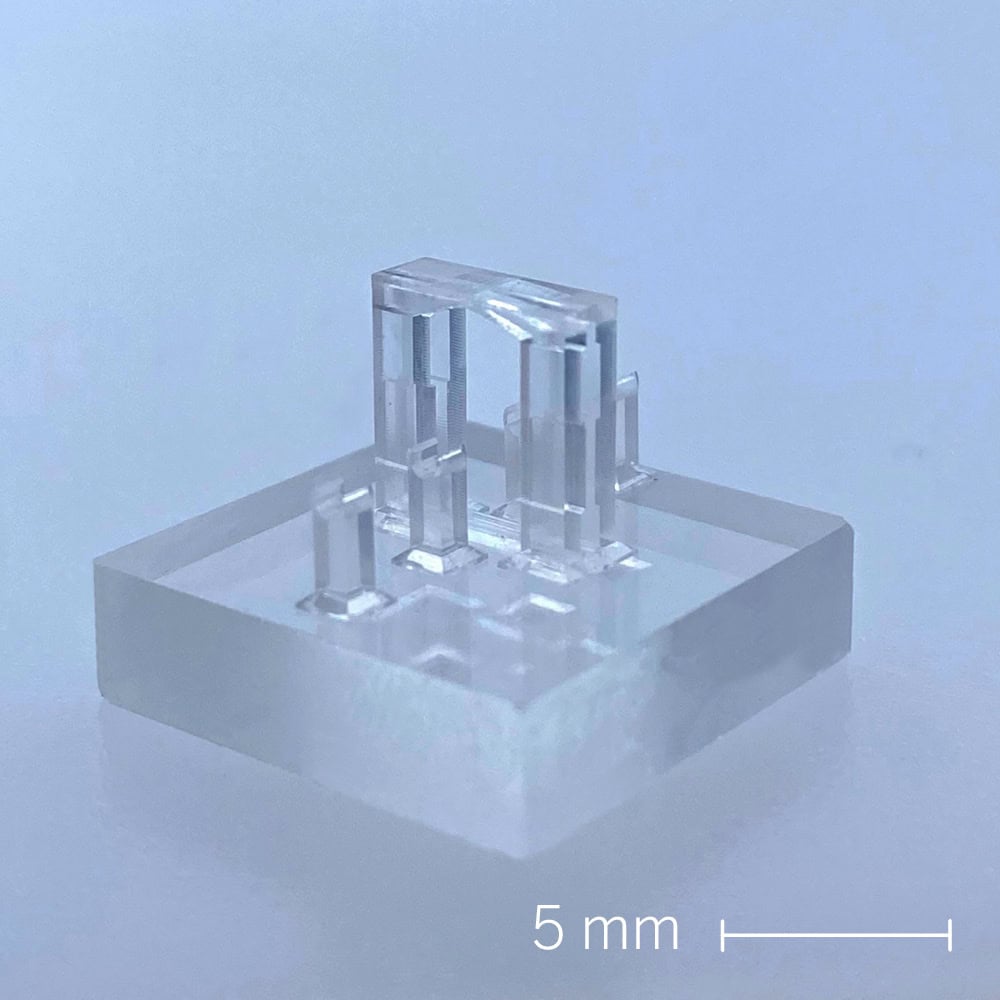
Microsensoric
2PP 3D printed Microsensoric devices with integrated photonic circuits as well as thermochromic polymers or optical pH sensors, allow the development and production of intelligent wound dressings, which enable monitoring of wound healing processes without opening and removing the dressing. Due to the high number of wound dressings in a hospital setting, there is an urgent need for mass production.
FURTHER VALIDATION IN PUBLISHED RESEARCH
Integration of 3D-Printed Micro/Nanostructures with Interdigitated Electrodes for Low-Matrix-Effect Sensing
Electrochemical sensors offer the advantages of low cost, high sensitivity, and miniaturization for a wide range of biological applications, including in situ detection of cell metabolites and monitoring cell behavior in real time. However, the complex matrix in biosystems often leads to electrode fouling and inferior sensing performance. In addition to chemical barriers featuring assorted antifouling molecules or coatings, creating micro/nano hierarchical structures on top of electrodes can provide physical barriers to mitigate matrix interference without affecting electron transfer. The emerging two-photon polymerization (TPP) 3D printing technique with the capability to produce precise submicron to several micrometer features on a variety of substrates has enabled the straightforward fabrication of complex hierarchical structures. In this paper, we integrate the value-added micro/nanostructures made by TPP printing with the interdigitated electrode-based sensors and demonstrate the platform’s advantages in filtering out small interfering micro-objects and thus reducing matrix effects. Applying the novel approach to real-time cell monitoring, a 3D-printed microstructure-integrated platform shows higher sensitivity (i.e., the slope of the calibration curve) to model redox analytes in cell culture medium compared to bare electrodes, which display compromised sensitivity due to cell passivation. This research opens a new avenue for mitigating matrix interference and enhancing electrochemical sensing with significant implications across a broad range of applications.
Polymer MEMs
Many industrial applications require micro-mechanical parts, micro-electro-mechanical systems (MEMs) or optical MEMs. Together with our customers, we have created optical actuators (such as submillimeter hexapods, which can precisely control optical mirrors), lab on a chip systems or simply complex micro-mechanical systems. The beauty of 2PP 3D print technology is demonstrated in the planetary gear box with a turbine on it, which is printed in one print job with full mechanical functionality, thus avoiding complex assembly steps.
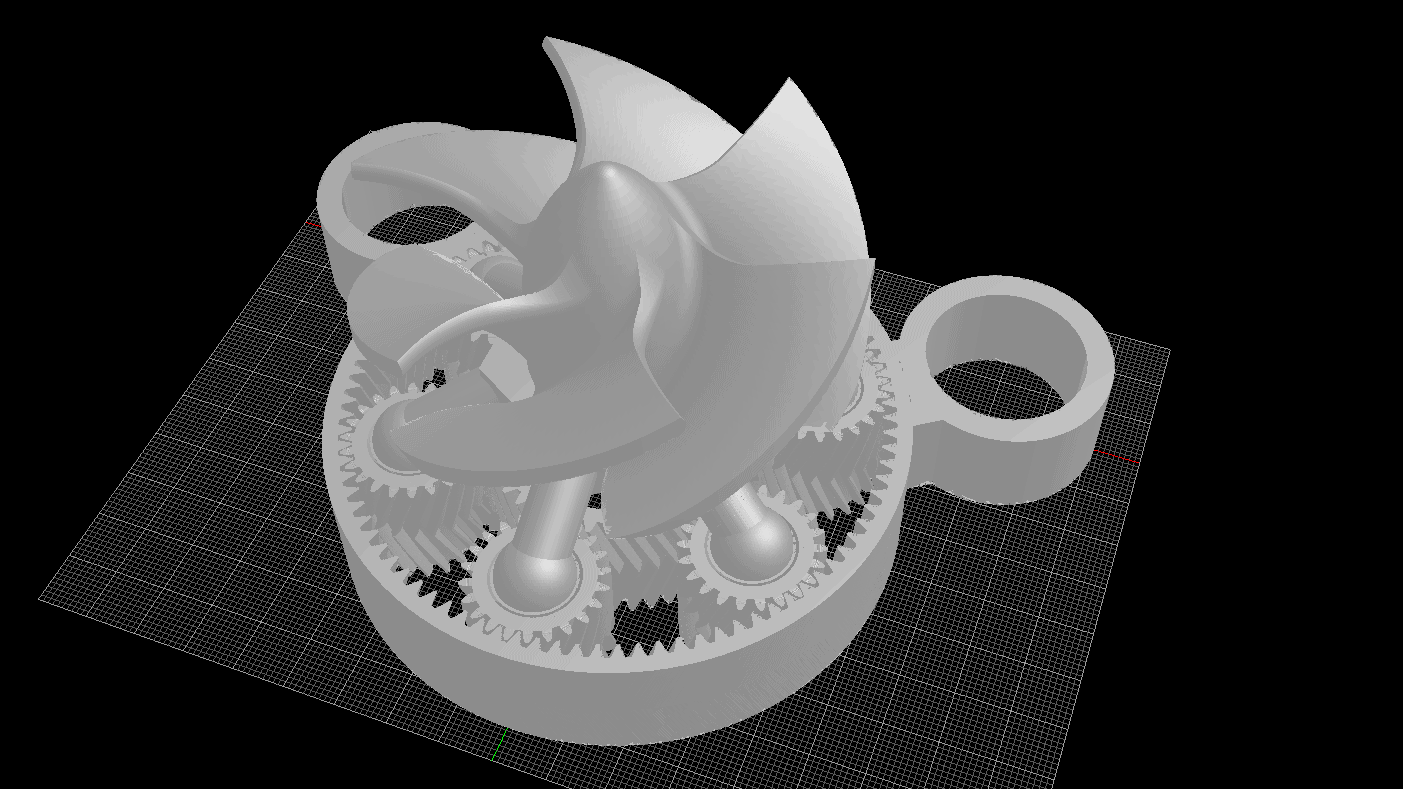
Micro-CT scan of printed part
Final printed part (with no assembly required) running with motor
Interested in exploring how UpNano can support your optics or photonics application? Send us a message to discover what’s possible with our team.

Bernhard Küenburg
CEO and Co-founder
We aim to train and inspire engineers to completely challenge their way of designing new products with microscale additive manufacturing now in mind. We open doors into a new design-universe without the limitations set forth by current methods like microinjection molding or substrative technologies such as milling.