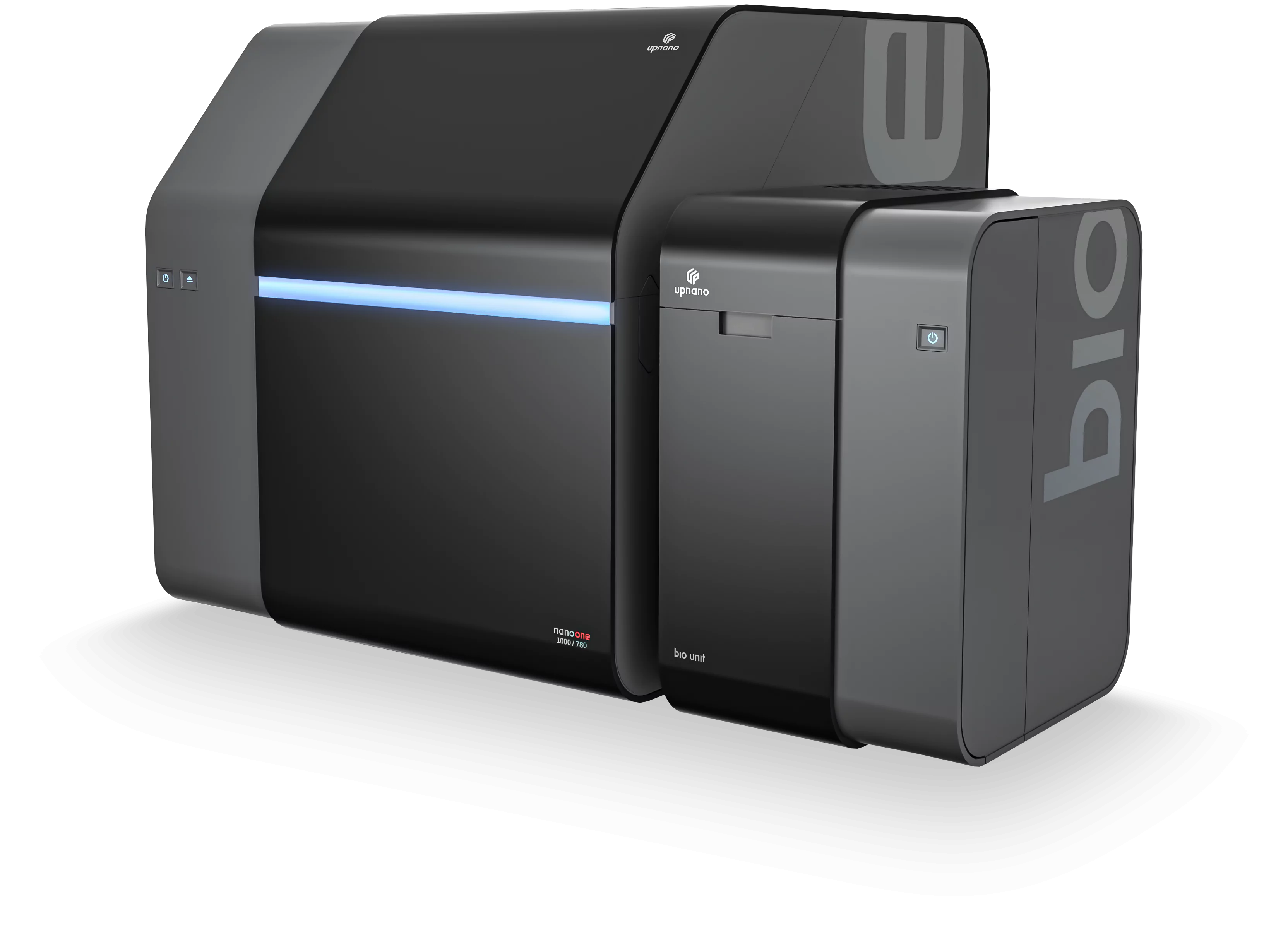
Resins
Perfect materials for demanding applications
UpNano’s high performance 2-photon resins are optimized to fully exploit the capabilities of our ultrafast high-resolution printing systems. The portfolio includes nine resins, each tailored for specific applications – from performance photopolymers to optically transparent materials for optical and microfluidic applications, to biocompatible formulations, tested for in-vitro cytotoxicity according to EN ISO 10993-5:2009.
Standard production
Resins, revolutionizing 2PP printing with fully cured materials post-printing and broad application versatility.
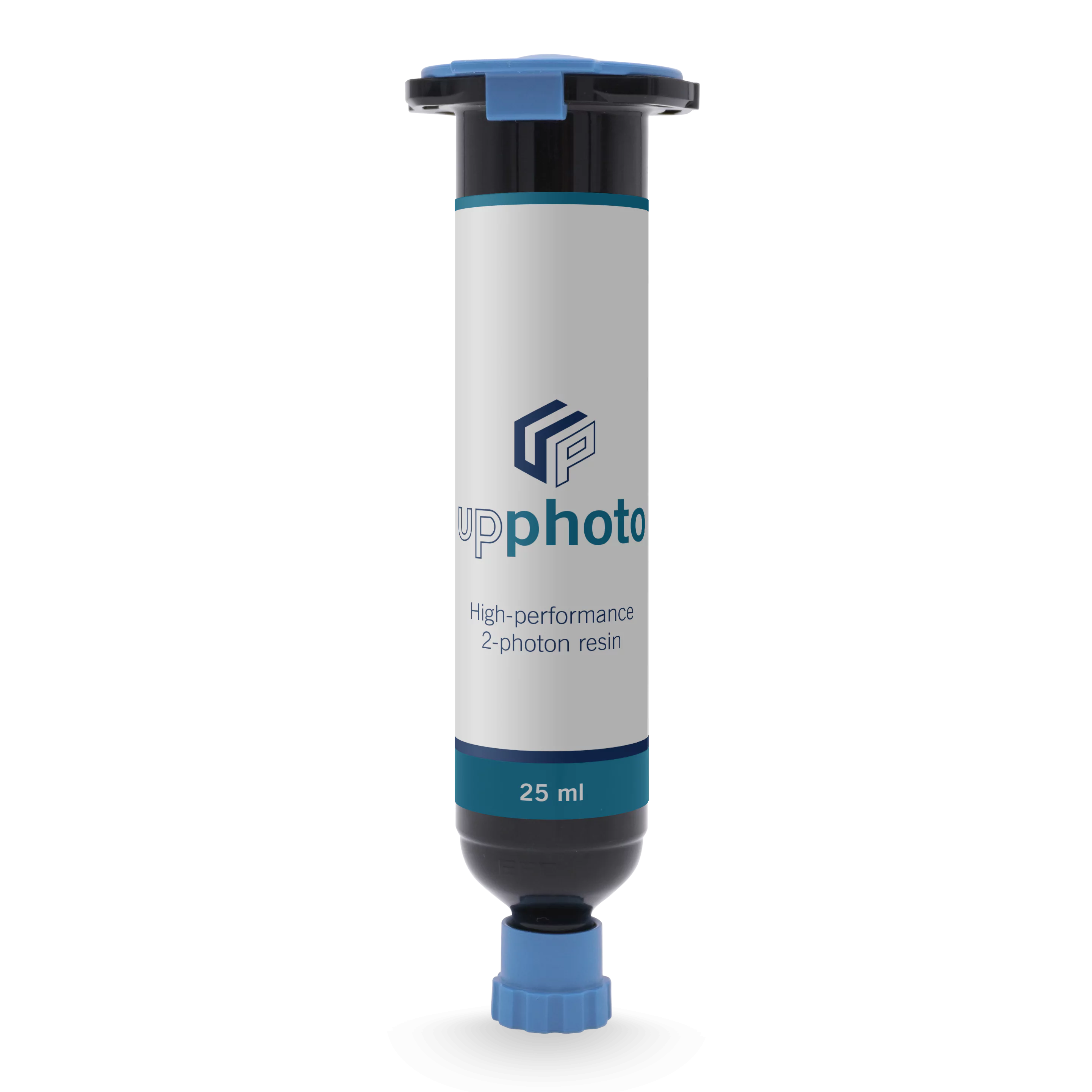
UpPhoto
High-performance 2-photon resin
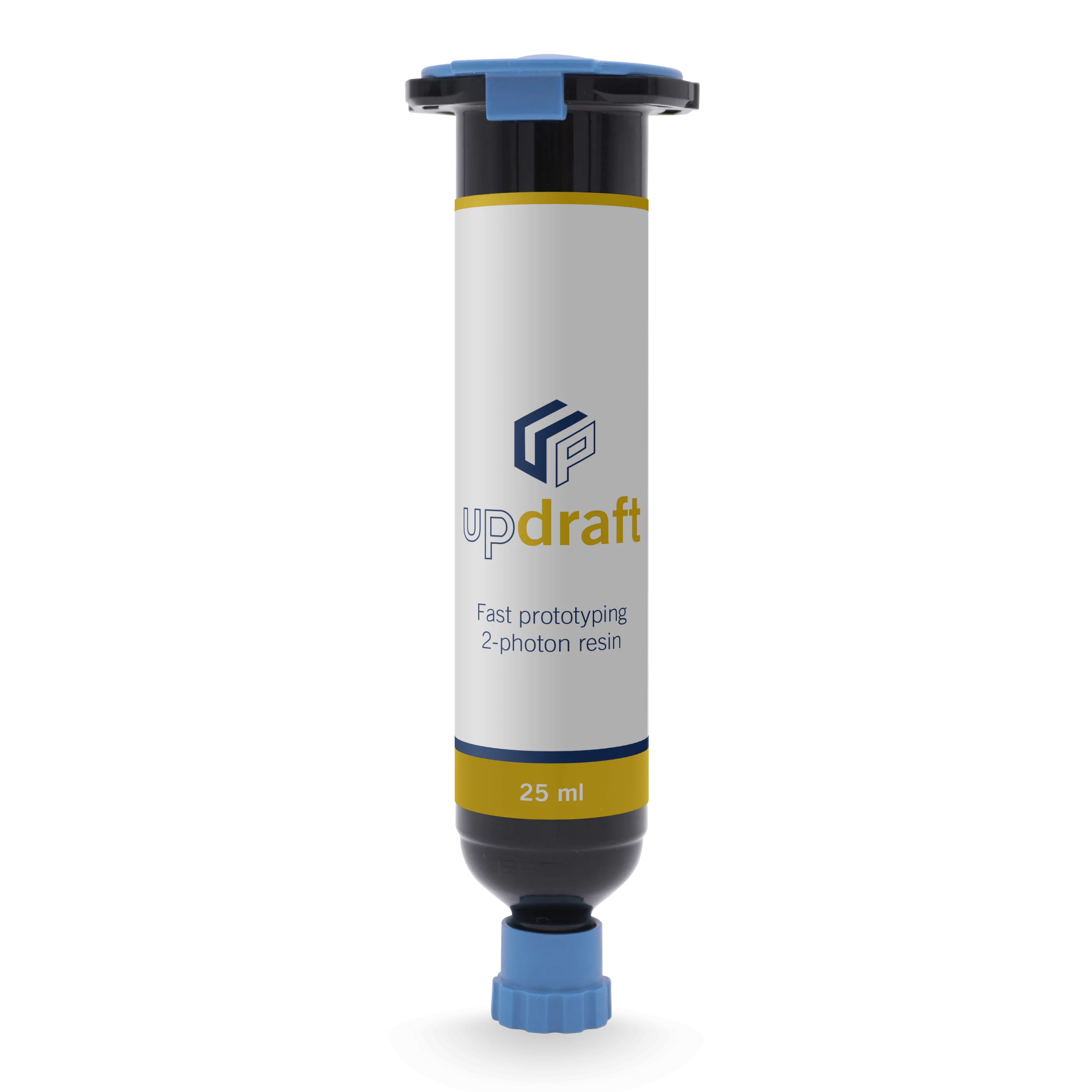
UpDraft
Fast prototyping 2-photon resin
High-resolution applications
Pushing boundaries in printing intricate 2.5D and 3D details while seamlessly merging highest precision with performance.
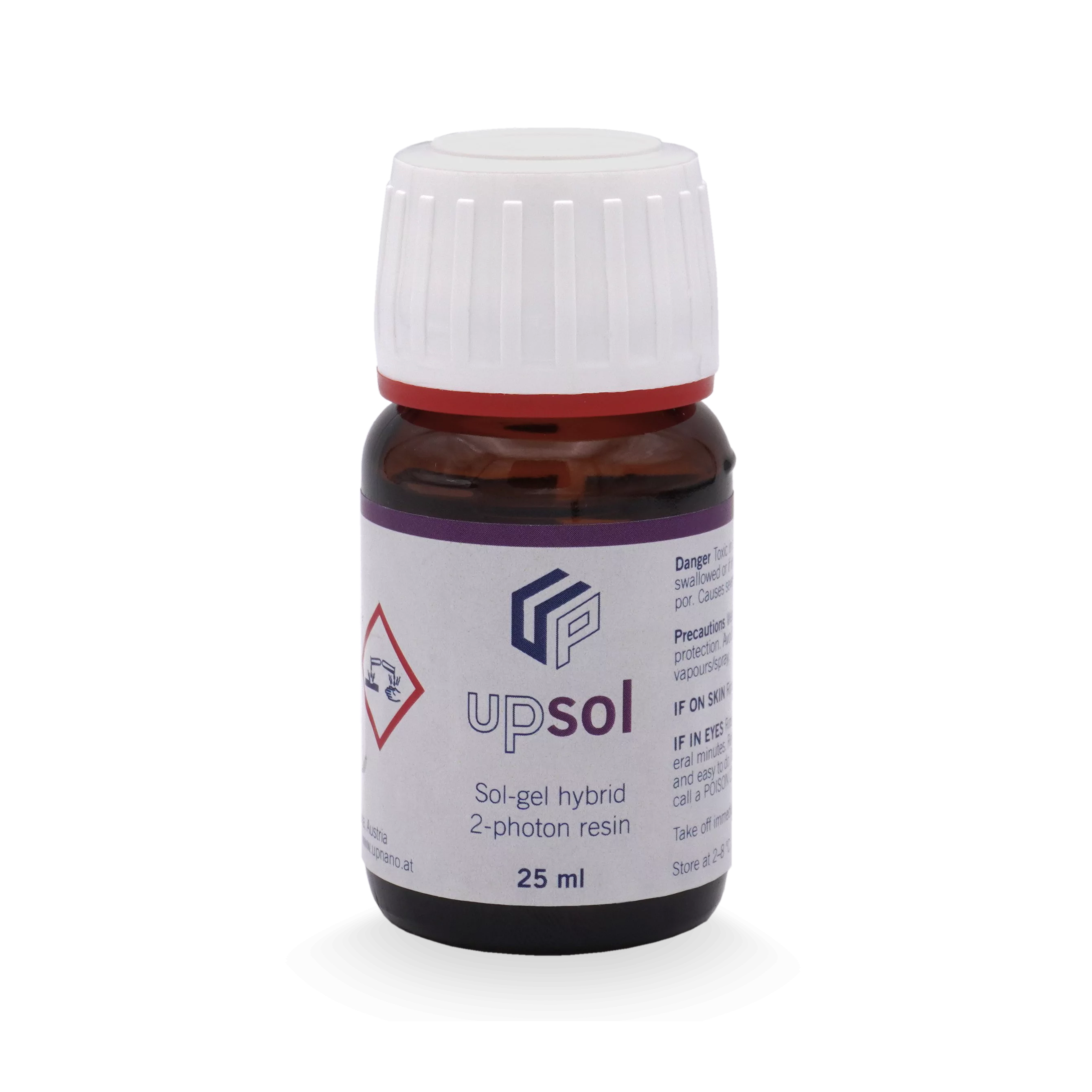
UpSol
High-performance 2-photon resin
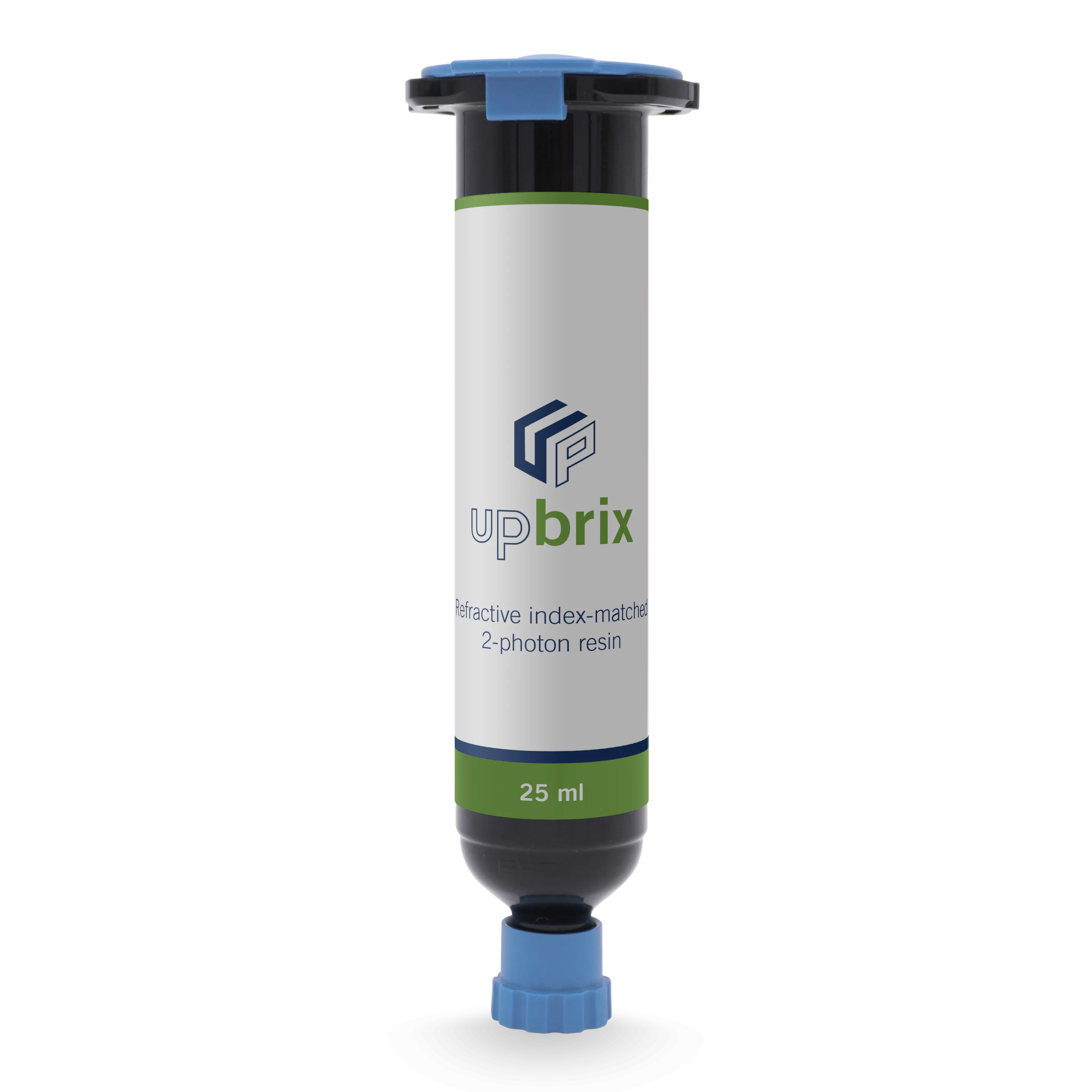
UpBrix
Refractive index-matched 2-photon resin
Optically transparent
Advanced 2PP resins redefine the possibilities for optical parts, delivering unmatched optical transparency.
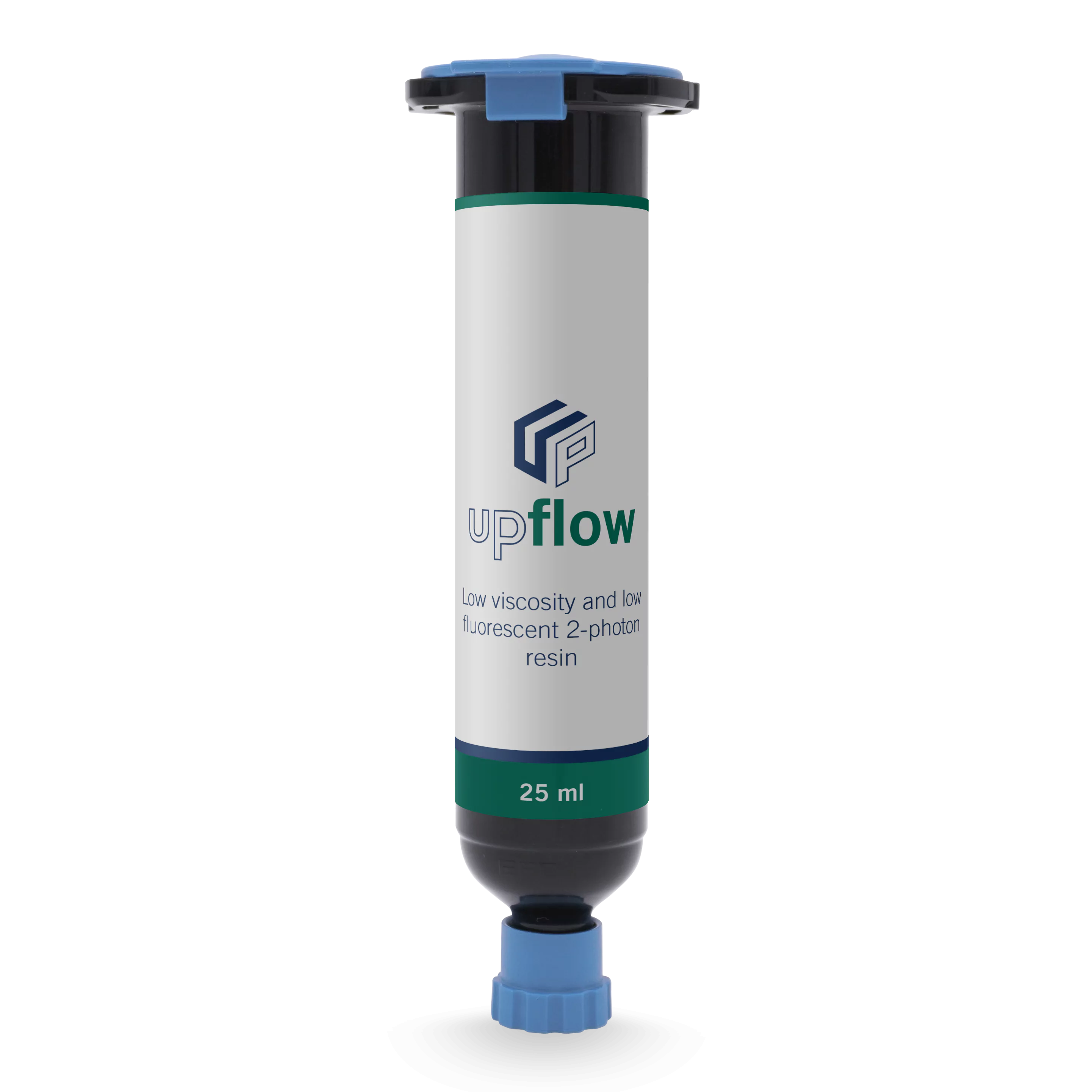
UpFlow
Low viscosity and low fluorescent 2-photon resin
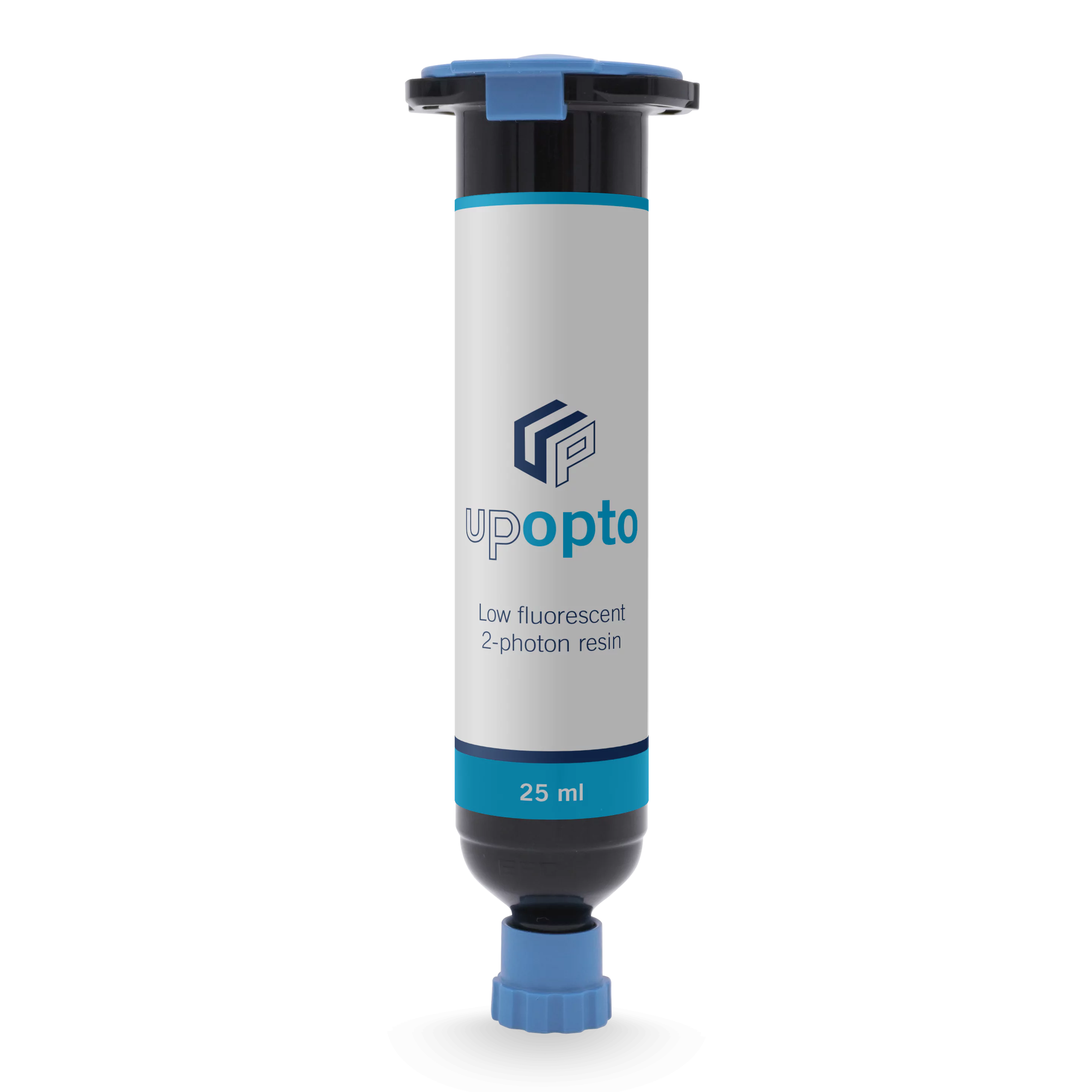
UpOpto
Low transmissive 2-photon resin
Special applications
Innovative material properties that open up new possibilities in 2PP-3D printing for high-resolution micro-components.
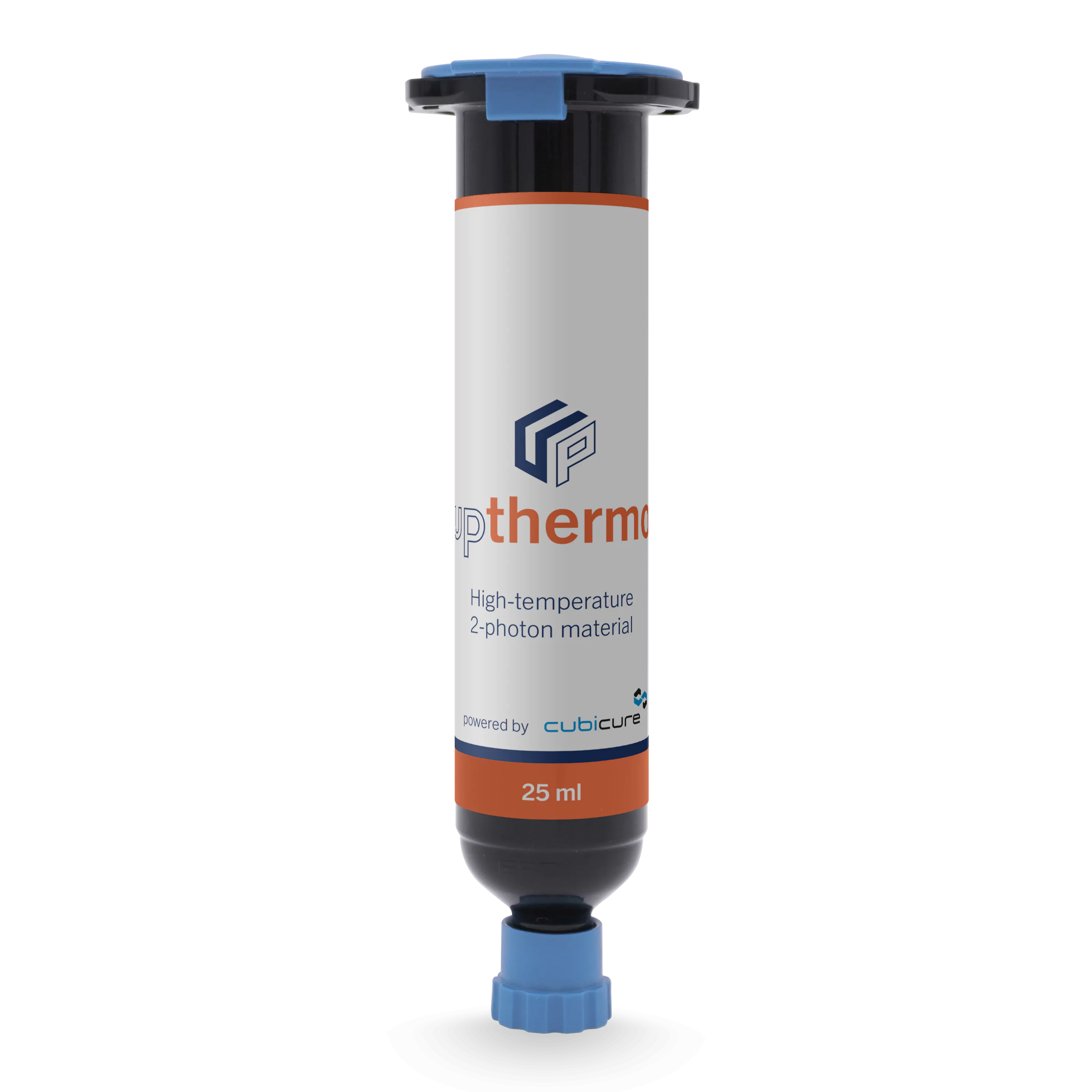
UpThermo
High-temperature 2-photon resin
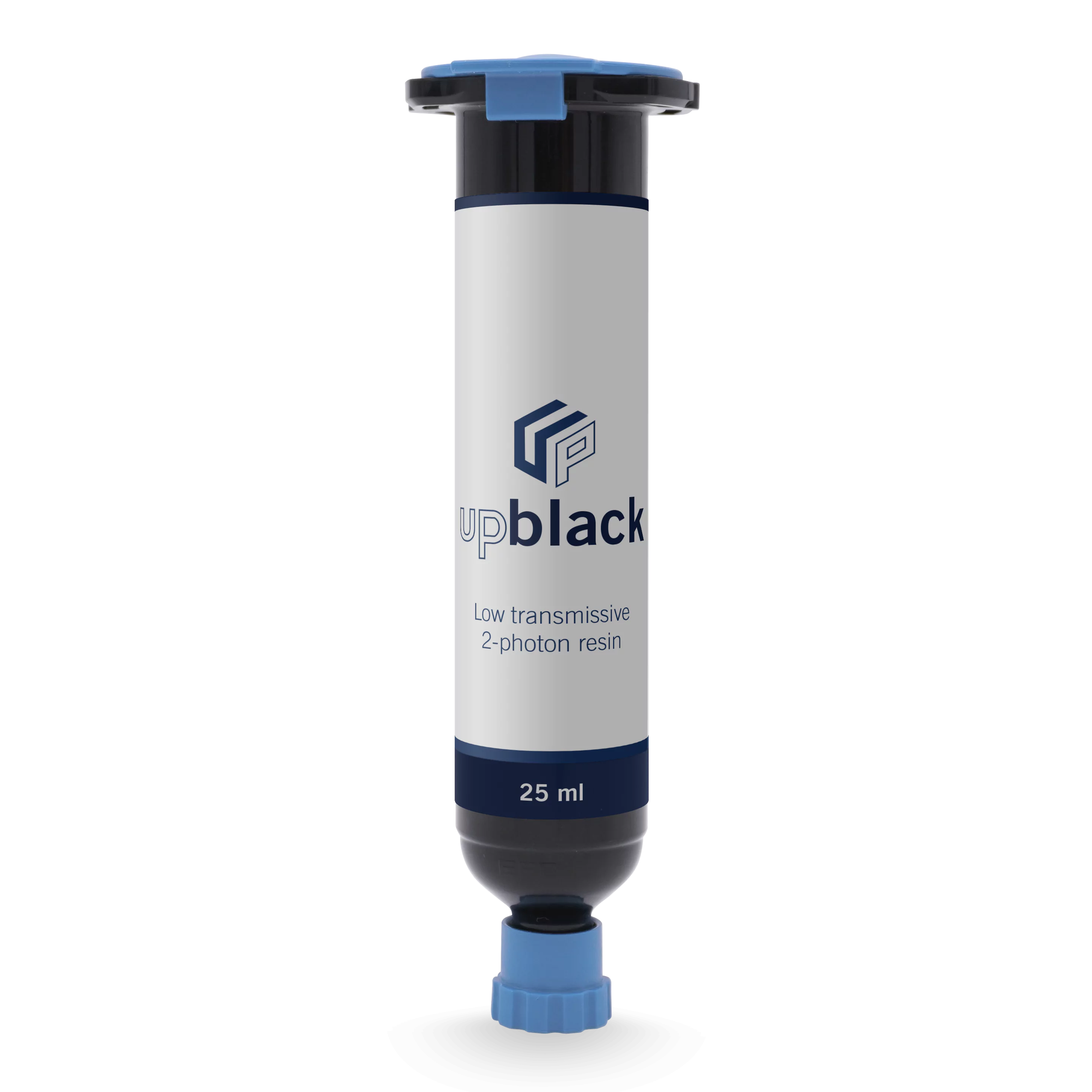
UpBlack
Low transmissive 2-photon resin
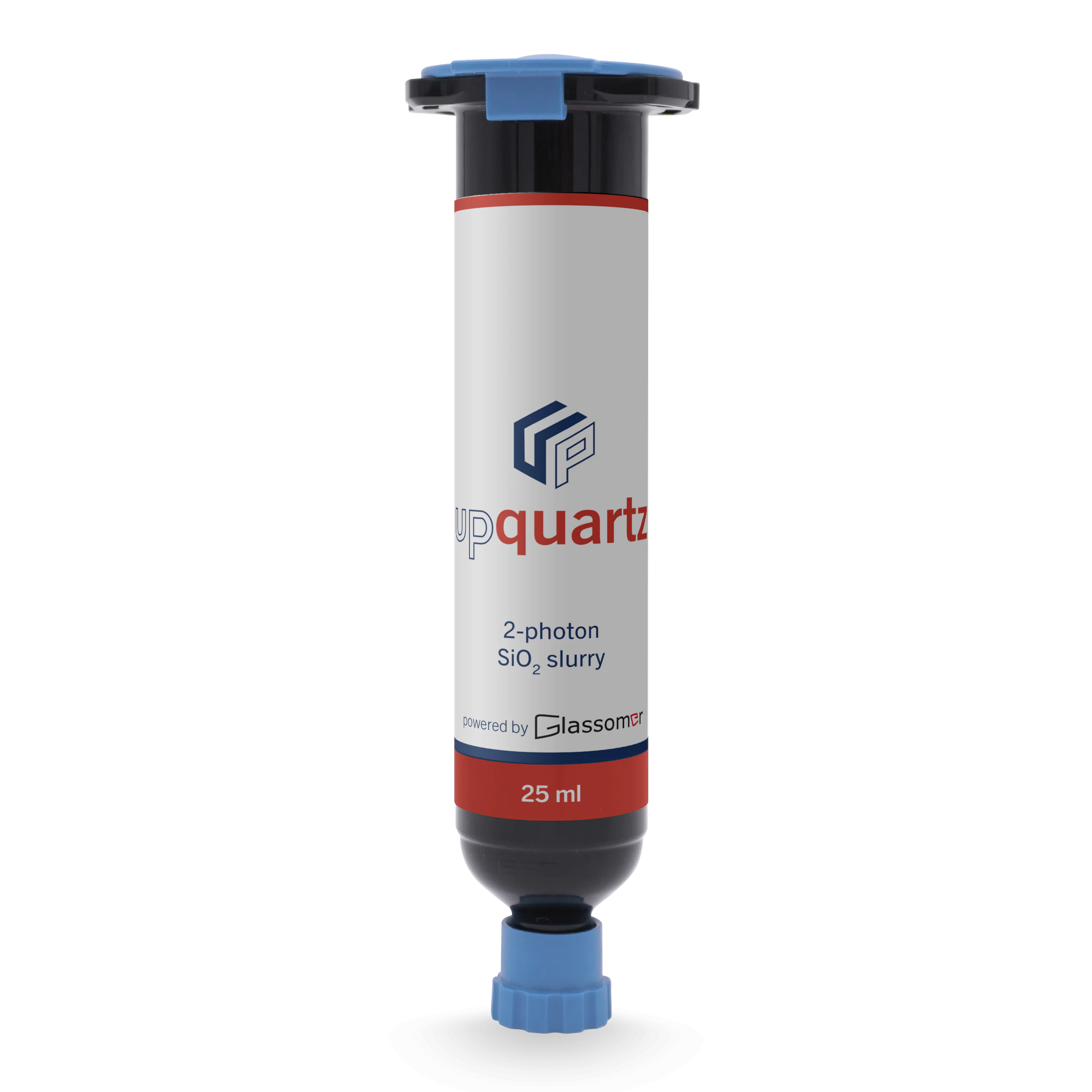
UpQuartz
2-photon silica slurry
* Certified according to EN ISO 10993-5:2009
Markus Lunzer, CSO
“With the UpNano material portfolio, we address the requirements of diverse application areas, maintaining the highest precision while achieving industry-unique speed!”
Open material platform
UpNano provides material flexibility, offering a wide range of options to meet every printing requirement. Utilize not only UpNano’s cutting-edge 2PP photo resins and optimized partner materials from BIO INX® and Glassomer but also explore commercially available third-party resins or even use customer materials. Our dedicated team of material experts at UpNano is available to guide you every step of the way, whether it’s selecting the most suitable material or the developing your customer-specific resin.
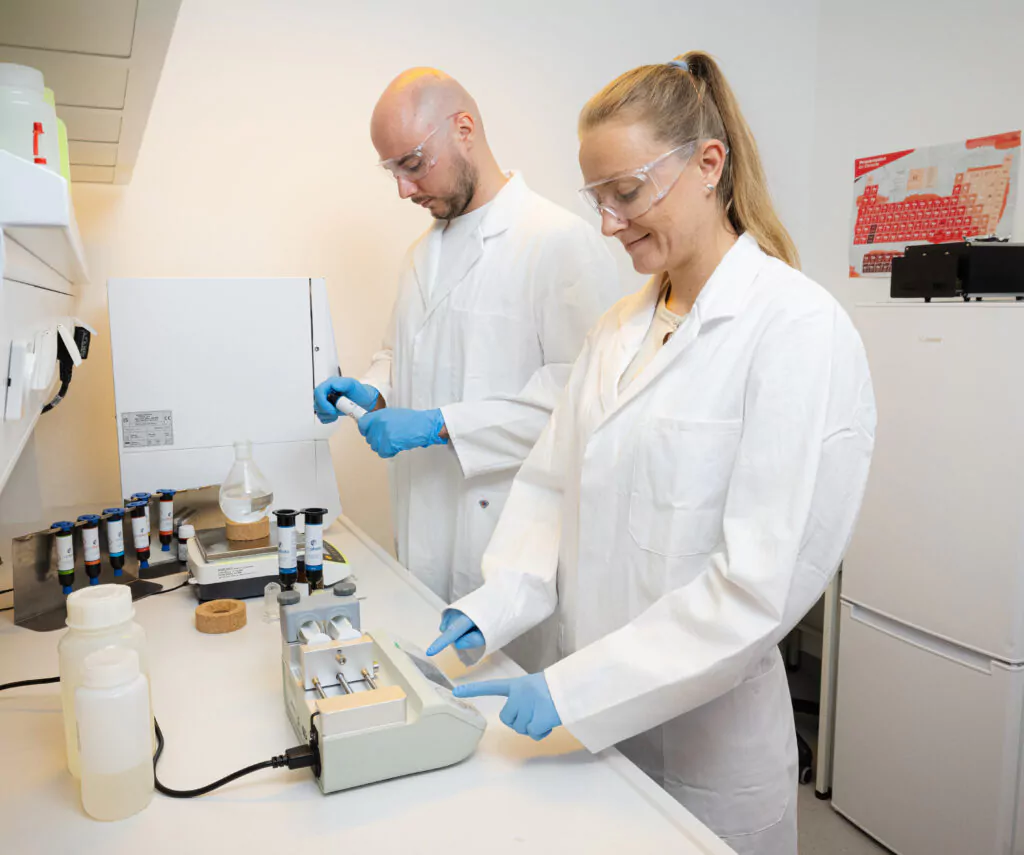
Dispensing, the clean and precise way
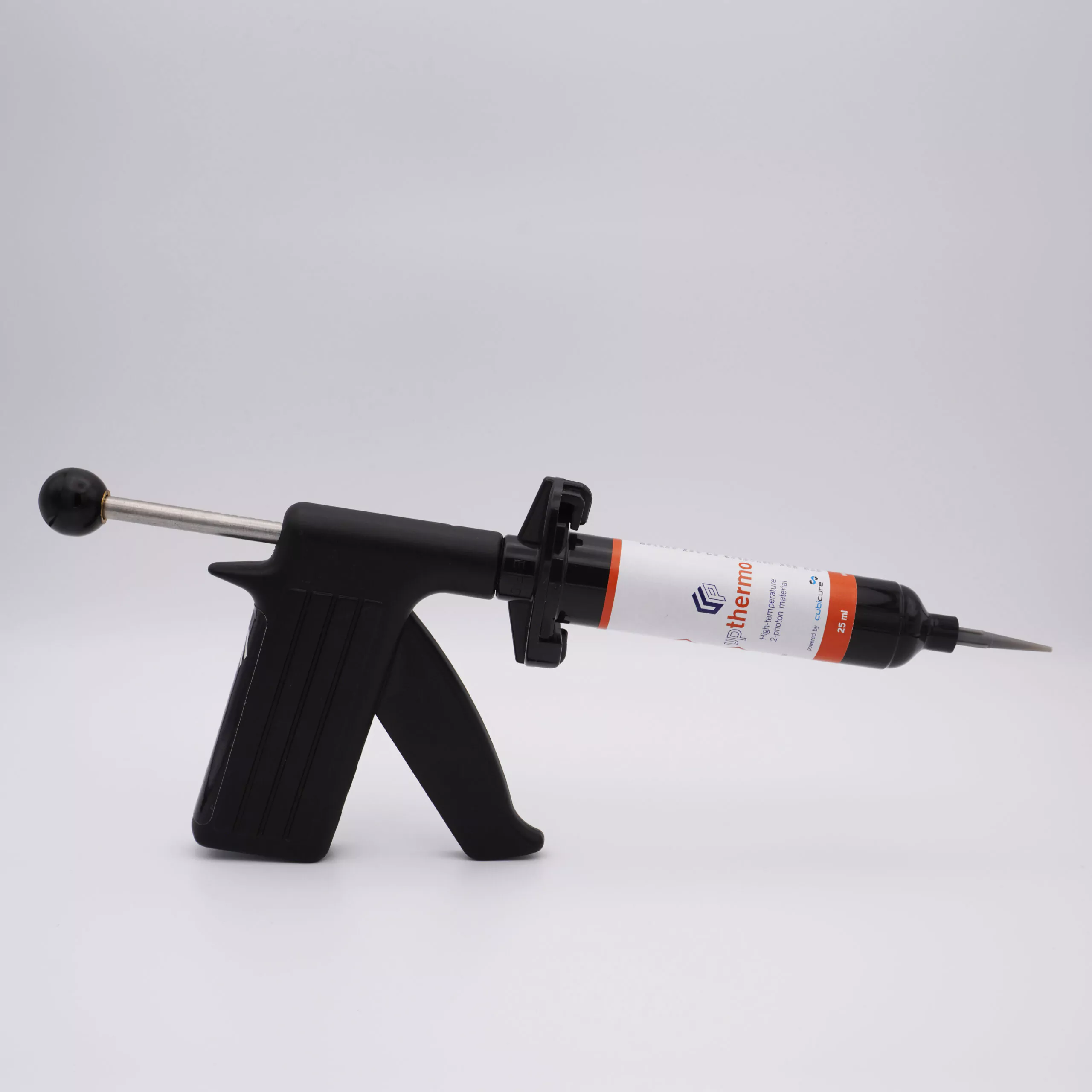
The UpNano resin portfolio is available in convenient, resealable cartridges, ensuring light-proof storage and minimal wastage. Utilizing dispensing systems, the resins can be precisely dispensed into the material vat or substrate, guaranteeing high precision and bubble-free application without dripping.
- Drip-free material application
- No bubble formation
- Easy handling
- Light-protected, resealable packaging
-
Want to know more?
Frequently asked questions
The NanoOne is an open material platform therefore various photopolymerizable resins and resists can be processed. UpNano offers a range of specialized 2PP resins based on (meth)acrylates tailored for different applications.
Additionally, third party materials, such as from BIO INX or Microresist Technology, can be used.
A literature overview on custom materials used with the NanoOne can be found on our Publications page when filtering for “other” resins.
UpNano resins can only be purchased by UpNano’s customers or cooperation partners.
The key differences lie in material properties such as mechanical strength and flexibility, thermomechanical behavior, optical transmission and fluorescence properties along with biocompatibility. More information can be found under our individual resin category pages linked above.
A literature overview of various applications utilizing UpNano material’s can be found on our Publications page.
Yes, the NanoOne 3D printing system is an open material platform. Various photopolymers optimized for 2PP can be used with the NanoOne.
A literature overview on custom materials used with the NanoOne can be found on our Publications page when filtering for “other” resins.
Yes, UpNano has an in-house team of material chemists dedicated to optimizing and developing new resins to expand the applications of 2PP 3D printing. We collaborate with customers on a case-by-case basis to develop custom materials tailored to their specific requirements.
UpNano recommends UpBrix 2 for high-resolution microprinting of parts with smallest feature size requirements.
The mechanical properties of each resin, including flexibility, hardness, and toughness, are detailed in their respective data sheets. These can be found on our downloads page.
Detailed information on the mechanical properties of UpPhoto and UpDraft can also be found in the following publication:
T. Koch, W. Zhang, T. T. Tran, Y. Wang, A. Mikitisin, J. Puchhammer, J. R. Greer, A. Ovsianikov, F. Chalupa-Gantner, M. Lunzer, Approaching Standardization: Mechanical Material Testing of Macroscopic Two-Photon Polymerized Specimens. Adv. Mater. 2024, 36, 2308497. https://doi.org/10.1002/adma.202308497
What sets UpNano’s resins apart from third party materials is their specially developed photoinitiators and fine-tuned formulations, optimized for high-throughput, high-resolution 3D printing. Fast printing processes require highly reactive cross-linking chemistry. Additionally, UpNano’s standard production resins (UpPhoto, UpDraft) are fully cured immediately after printing, eliminating the need for post-curing.
Several UpNano’s materials including UpPhoto, UpBlack, UpFlow, UpOpto and UpThermo have been certified as non-cytotoxic according to the industry standard EN ISO 10993-5:2009.
Note: UpFlow, UpOpto and UpThermo require post-processing before becoming fully biocompatible.
UpNano has a portfolio of five (UpPhoto, UpOpto, UpFlow, UpBlack, UpThermo) biocompatible resins certified non-cytotoxic according to EN ISO 10993-5:2009.
Additionally, UpNano partners with BIO INX who develops gelatine-based and synthetic, technical hydrogels as well as biodegradable polyester-based materials. The BIO INX Hydrobio material is crystal clear for microscope use.
Yes. UpOpto is an ultra low-fluorescent, optically transparent (> 400 nm) resin specifically designed for optical applications in the VIS-NIR range. Additionally, UpFlow is a low-fluorescent and widely transparent in the VIS spectral range. It has a lower viscosity than UpOpto, which allows for the printing of integrated microfluidic devices containing long, narrow channels that can be easily flushed clean after printing.
Yes, UpNano’s resins can be used for printing onto PCBs, MEMS or PICs. However, certain precautions are necessary to prevent damage to electrostatic-sensitive devices (ESD) when using these substrates. UpNano’s application team has experience in these cases and can provide guidance.
No pre-treatment is required for the resin itself. However, UpNano’s standard glass substrates must be pre-treated with a salinization process. This process can be done in bulk for multiple substrates in advance.
After printing, most UpNano materials only require a washing step to remove any residual liquid resin. This is typically done using two PGMEA baths, followed by a rinse in isopropanol. Some specific resins require special solvents for cleaning, and in certain cases, post-curing in a UV chamber may also be necessary (UpOpto, UpFlow).
For more detailed information, our online customer portal, HubNano, is available for NanoOne users with helpful tools and resources.
UpNano’s standard production resins are solvent-resistant to many organic solvents. However, harsh organic solvents such as acetone or methanol can swell printed parts after prolonged exposure.
UpNano’s standard production resins should be stored in a controlled environment, such as a laboratory setting at 23°C (73.4°F) room temperature and below 60% humidity. Under these conditions, the resins have a guaranteed shelf life of six months.
Once a resin is placed in a vat, it is recommended to keep the lid on when not printing to minimize exposure to light, dust, and other environmental factors. Once added to a vat, it is recommended to use the resin within three days.
In special cases, certain resins need to be stored in a refrigerator at 4°C (39.2°F). Detailed storage requirements for each resin can be found on the resin lables as well as in the MSDS (Material Safety Data Sheet), which is provided upon purchase.
Yes, multi-material prints are possible in a step-by-step approach.
Get more information about our resins
Downloads
Please click image to download the document.