
Application Areas
Breaking the barriers of nano- and microfabrication
UpNano solutions significantly reduce production times and unit costs for microparts, all while maintaining exceptional resolution and tolerances. The versatile technology, based on multiphoton lithography, allows for manufacturing of the highest precision components with structural details below 100 nm and macroscopic microparts in the centimeter range across a wide variety of applications.

Sophie Zagiczek
Team Lead Application
Our customers’ diverse applications constantly inspire us. We have a strong conviction that 2PP-3D printing holds immense value for countless industries, and we’re excited to collaborate with our customers in exploring these exciting possibilities.
OPTICS & PHOTONICS MICROFABRICATION
From AI data centers and co-packaged optics to quantum technologies and optical communications, the future of computing depends on photonic integration. Manufacturing these devices requires a new level of precision, alignment and design freedom.
UpNano’s multiphoton lithography platforms enable the fabrication of optical and photonic components that meet these demanding requirements, from sub-micron features to millimeter-scale parts with optical-grade surface quality down to Sq 5 nm.
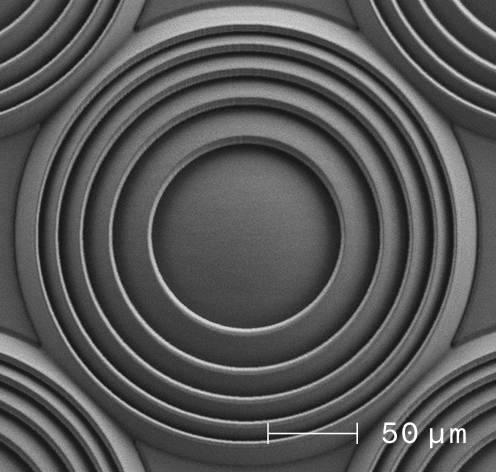
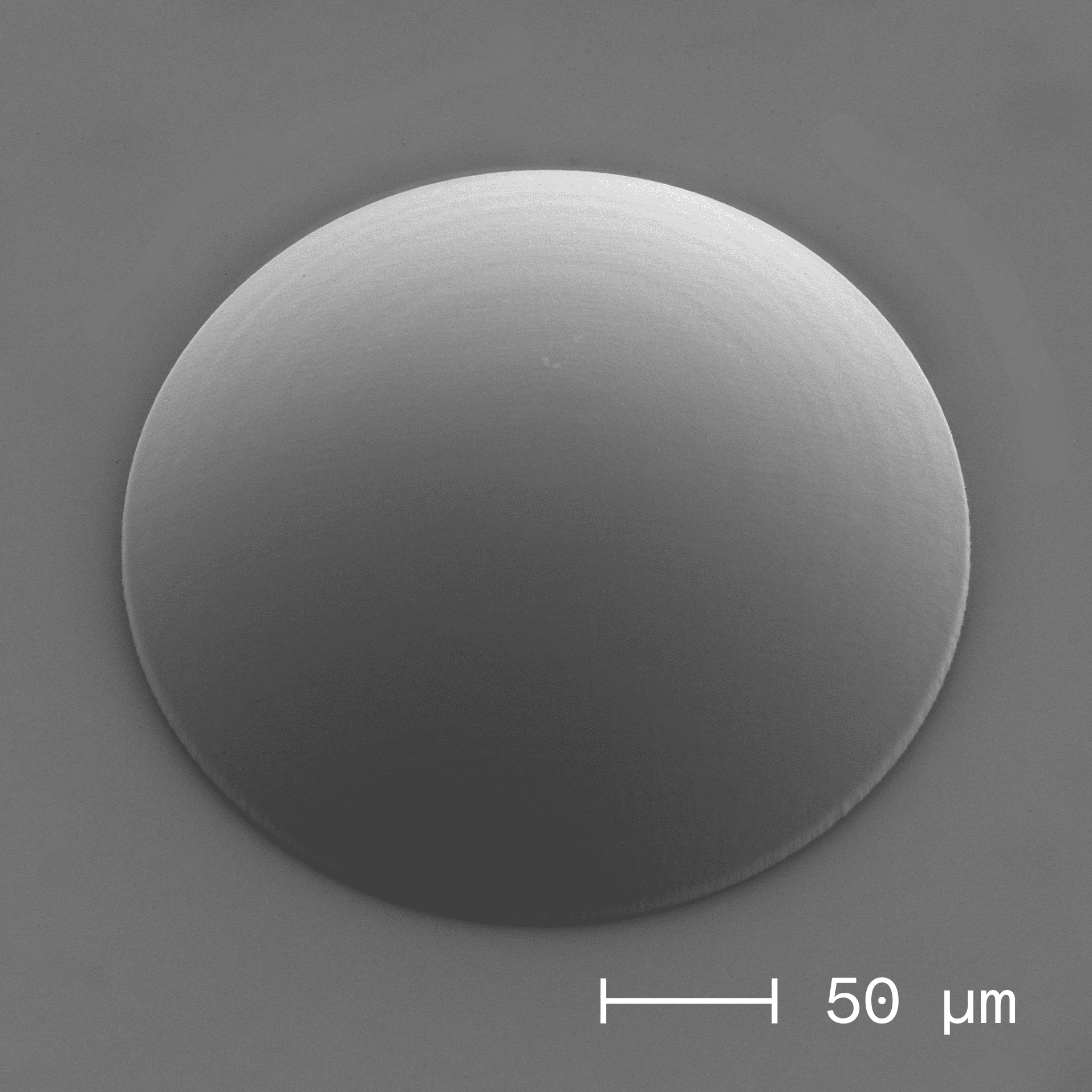
- Sq < 5 nm surface roughness
- Print time < 3 sec for 250 µm diameter microlenses
- Shape accuracy < 20 nm
From sub-10 μm microlenses to multi-millimeter scale freeform optics.
All manufactured on the same platform.
UpNano develops high-resolution 2-photon polymerization (2PP) solutions that bridge the gap between optical design and scalable manufacturing. Our technology supports integrated process of alignment and optical component placement, in-situ correction replacing active alignment, and scalable fabrication strategies for both prototyping and high-yield production.
“Co-packaged optics don’t scale unless manufacturing does. Performance alone isn’t enough to bring CPO into real deployment.” – Senko
Adaptive print modes for efficient, high-precision manufacturing
UpNano’s systems deliver precision where needed and speed where possible by combining our patented Adaptive Resolution Fine and Coarse print modes within the same print job.
Complemented by our 3D Adaptive Resolution (3DAR) technology which dynamically adjusts voxel height to achieve optical-grade, stitch-free surface quality on complex optical and photonic parts such as lenses or mirrors without compromising print speed.

PHOTONIC INTEGRATION
MULTI-FIBER ALIGNMENT AND PRINTING CAPABILITIES
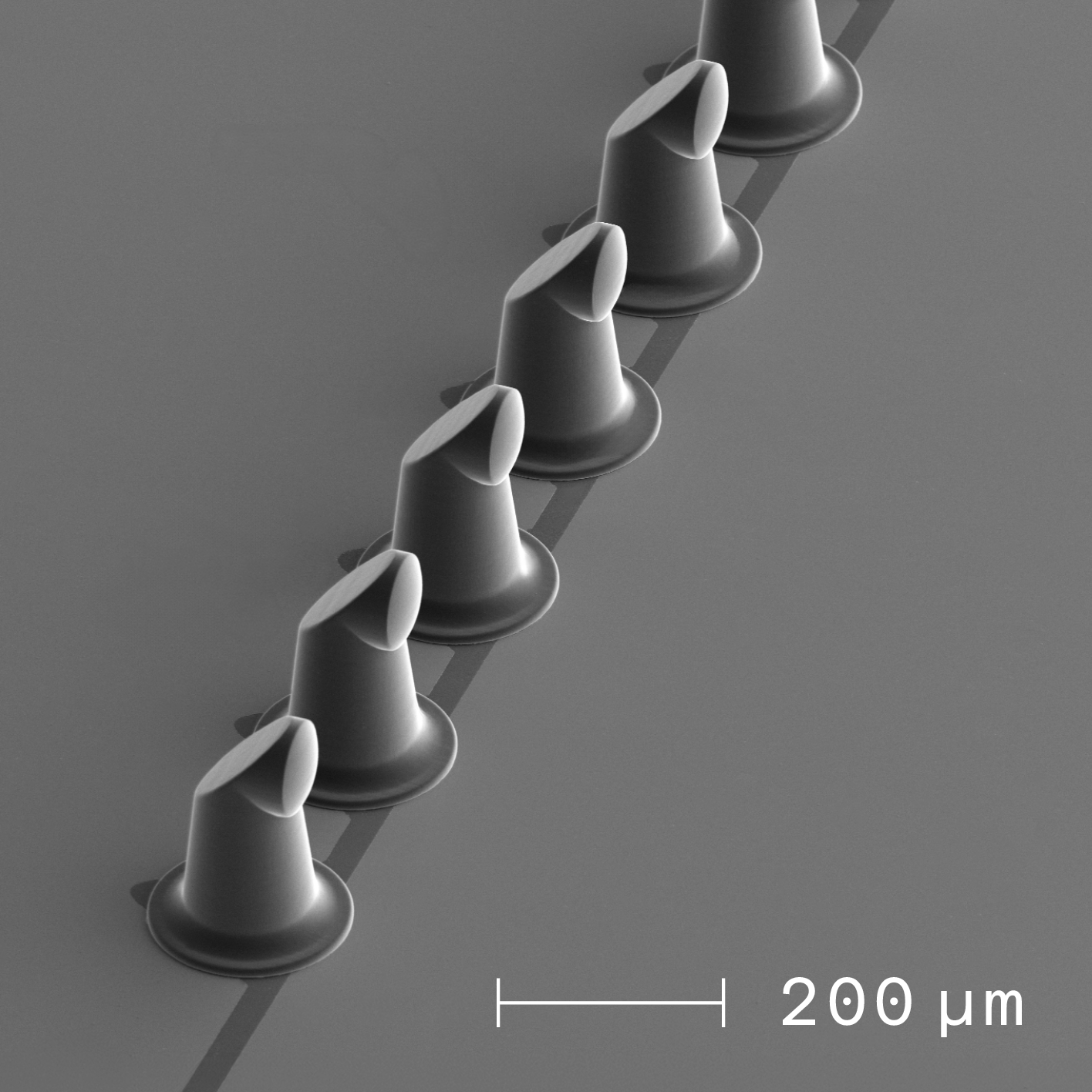
Total internal reflection (TIR) output collimators on fiber array unit (FAU) printed in-place with automatic fiber-core detection and alignment.
FACET-ATTACHED MICROLENSES (FaML)
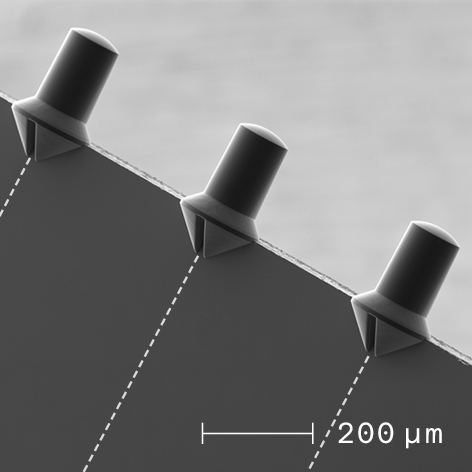
Wafer-scale manufacturing of aligned in-plane optics for fiber-to-chip or chip-to-chip coupling with minimal signal loss and high production yield.
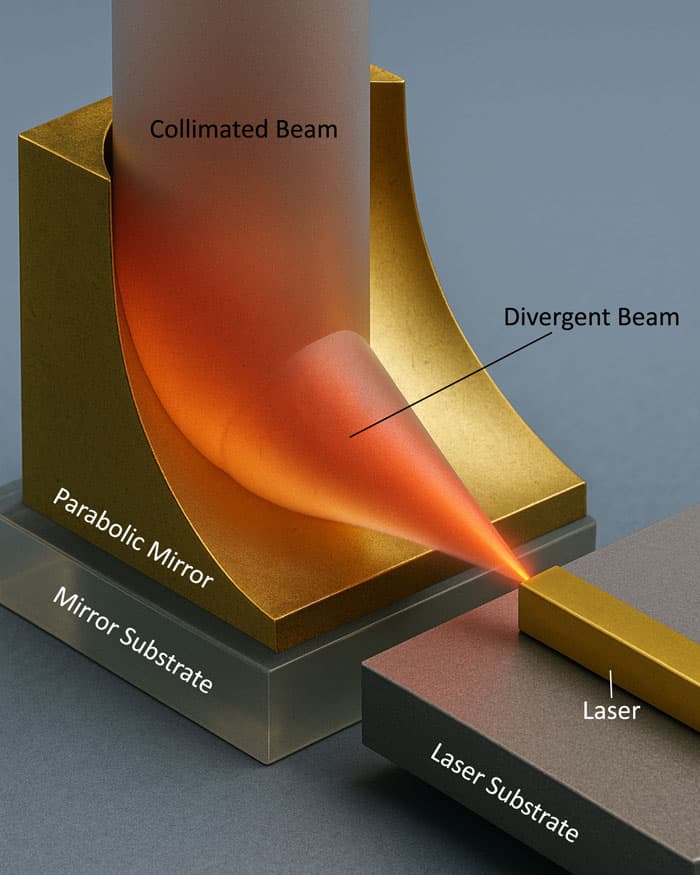
ALIGNMENT AND PRINTING DIRECTLY ON CUSTOM CHIPS
Parabolic mirror printed directly on a sub-mount platform and coupled into a Herriott cell for sensitive in-situ gas analysis.
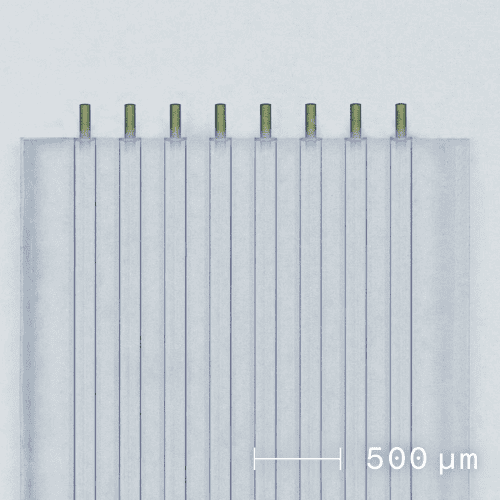
LENSES ALIGNED AND PRINTED ON FIBER ARRAY UNIT (FAU)
Microlenses printed in-place on 8-fiber array unit (FAU) using the fiber array holder with automatic fiber-core detection and alignment.
MICRO TO MACRO-SCALE OPTICAL COMPONENTS
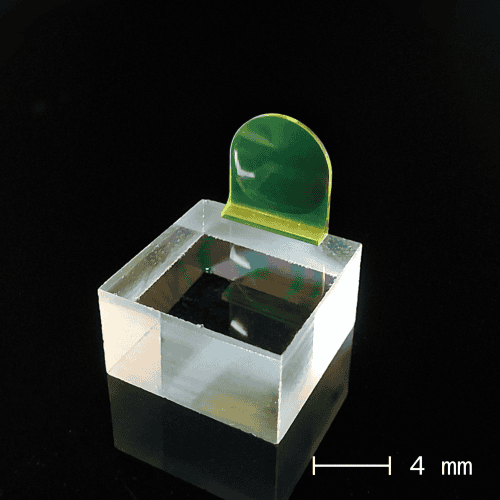
MACROSCOPIC LENSES
Combining multiple print modes, UpNano’s technology enables the fabrication of this seamless 6 mm diameter multi-FOV lens while maintaining Sq 10 nm surface roughness.
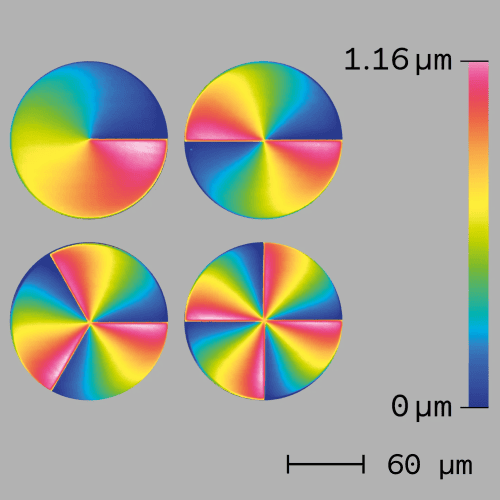
BEAM-SHAPING OPTICS
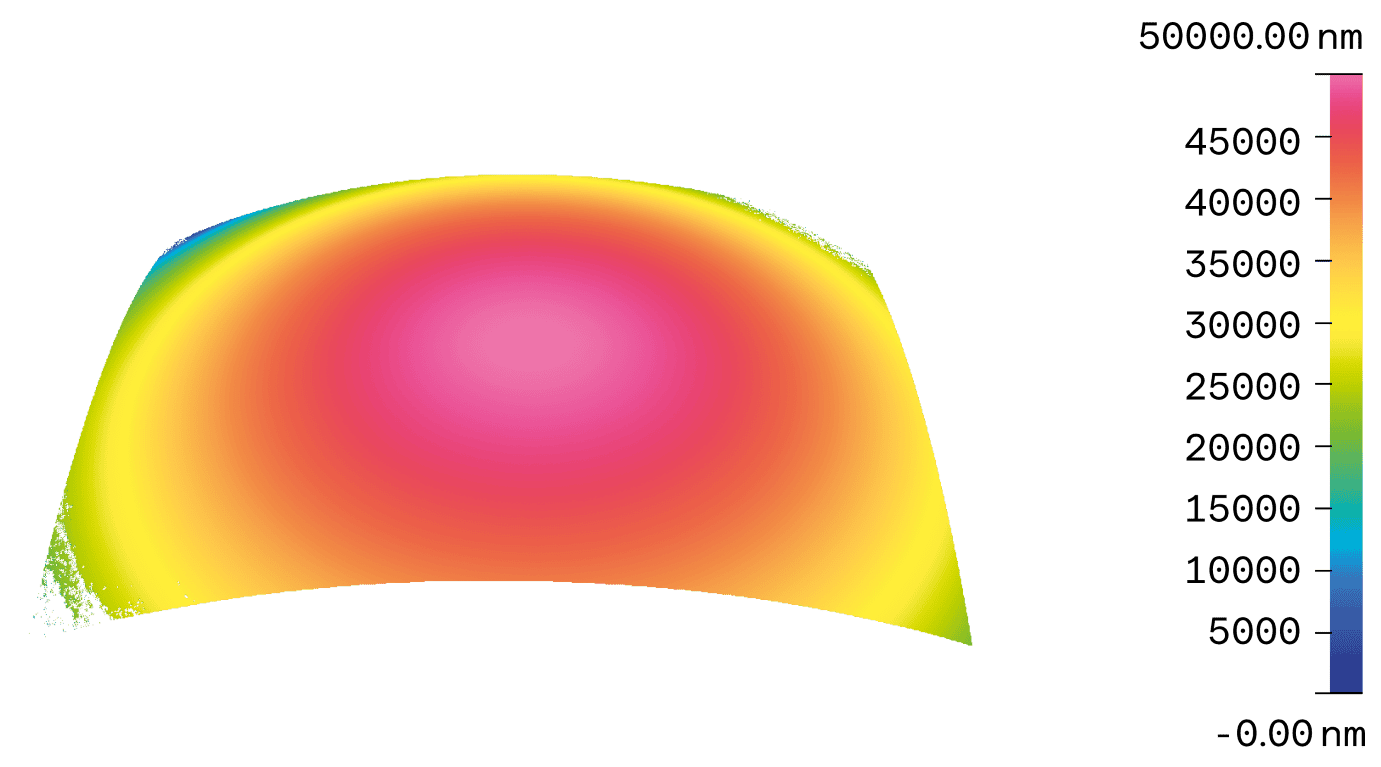
Height map of spiral phase plates manufactured in under 10 seconds while maintaining < 20 nm shape accuracy.
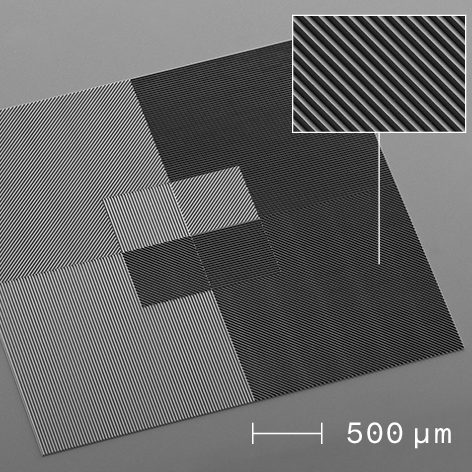
LARGE-AREA STITCH-FREE PLANAR OPTICAL ELEMENTS
Triangular diffraction grating fabricated as a master for holography and large-area replication.
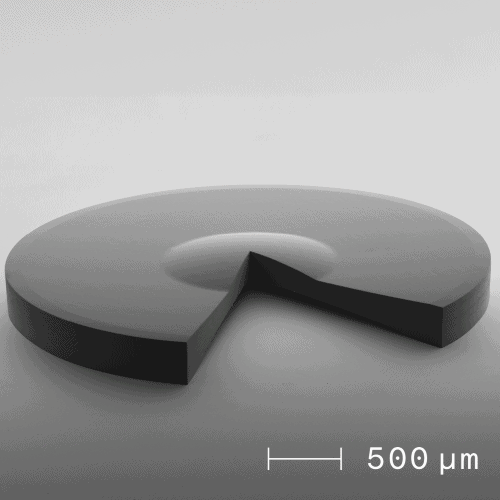
LARGE FREEFORM OPTICS
Double-sided freeform lens fabricated stitch-free with optical-grade surface quality.
COMPLEX LENS ASSEMBLY WITH SUPPORT STRUCTURES
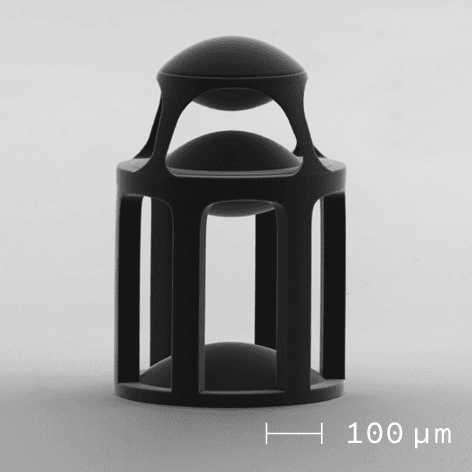
Directly printed stacked assembly of biconvex aspheric lenses.
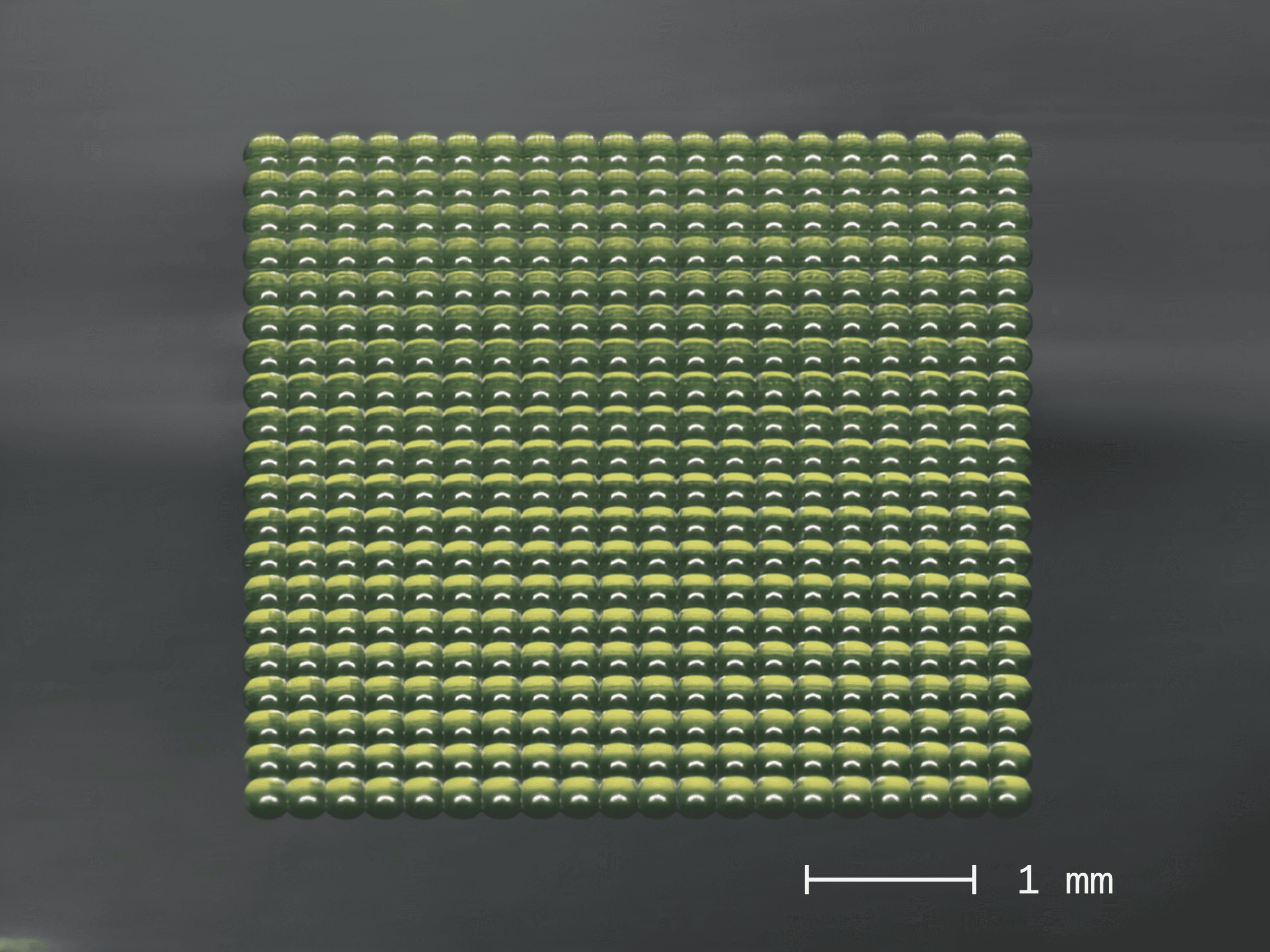
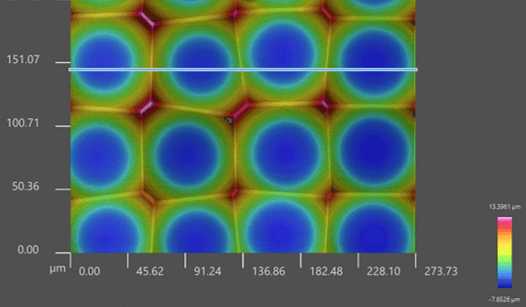
MICROLENS ARRAY (MLA)
Microlens array for direct use or as a master for replication processes.
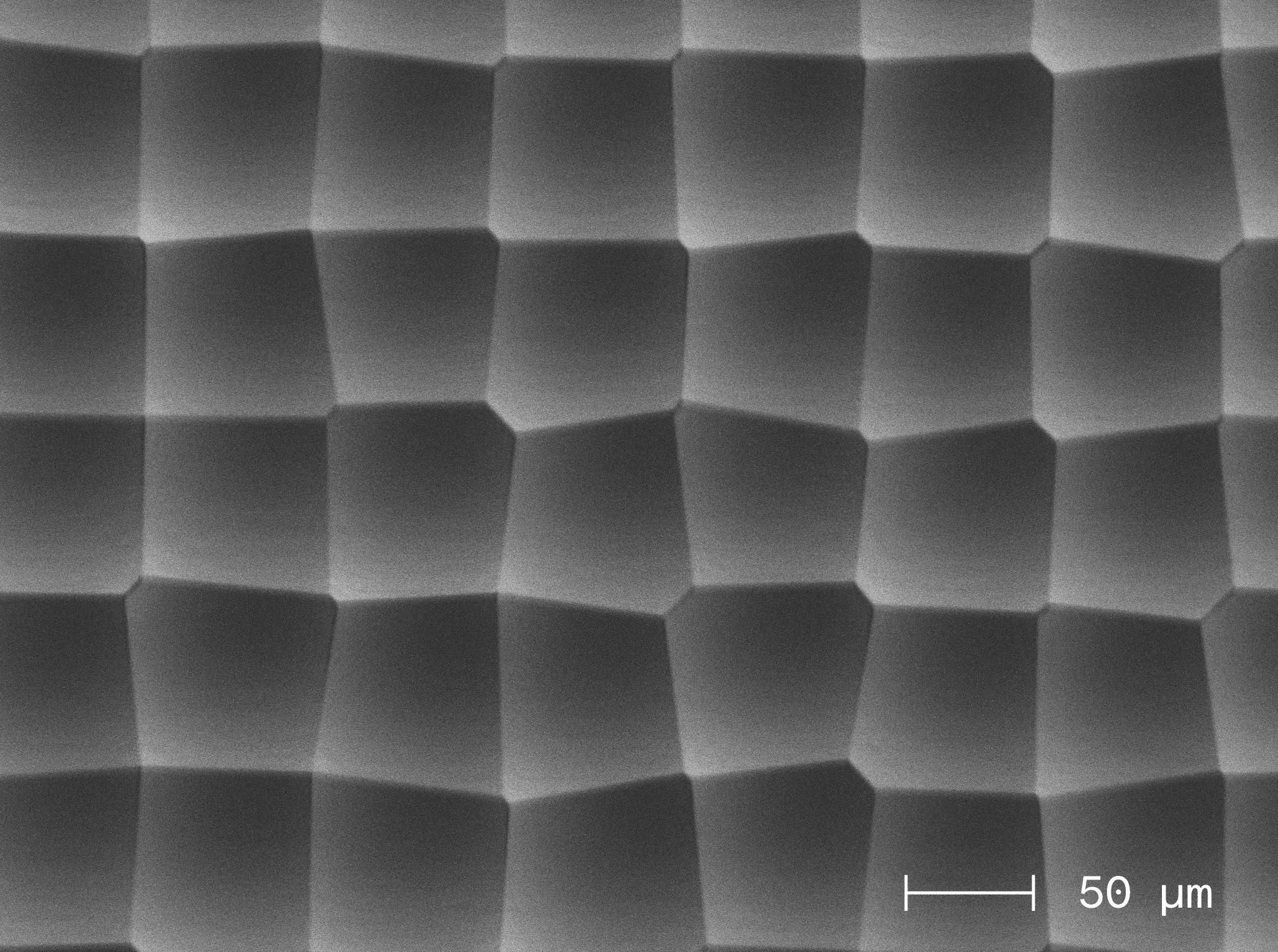
OPTICAL-GRADE SURFACE QUALITY ACROSS MLAs
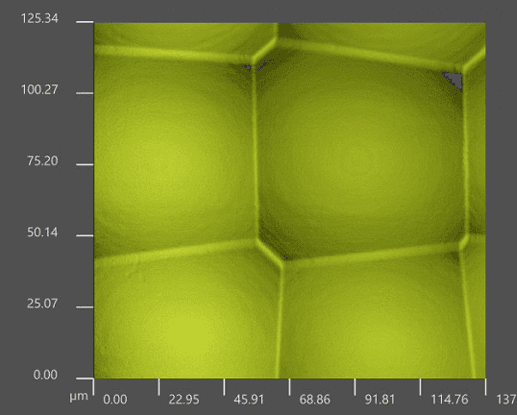
Concave microlens array with randomized position and overlapping lenses.
HIGH-SPEED MICROLENS PRODUCTION
High-throughput fabrication of microlenses without compromising optical surface quality.
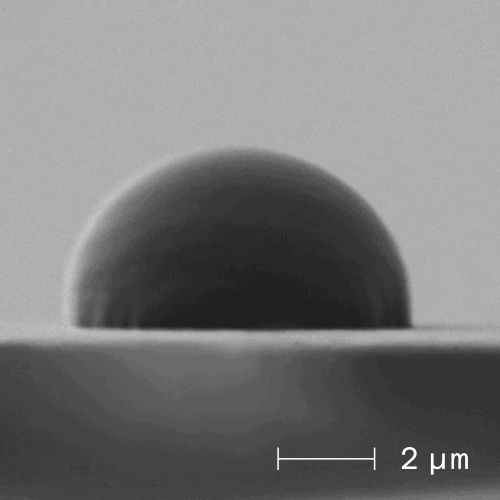
SUB-10 µm MICROLENSES
Aspheric microlens with 7 µm diameter with optical-grade surface quality fabricated in under 3 seconds.
OPTIMAL RESINS FOR OPTICS & PHOTONICS APPLICATIONS
UpPhoto
High-performance resin for functional optics
Optimized for functional optical components which require high optical performance and a streamlined manufacturing workflow.
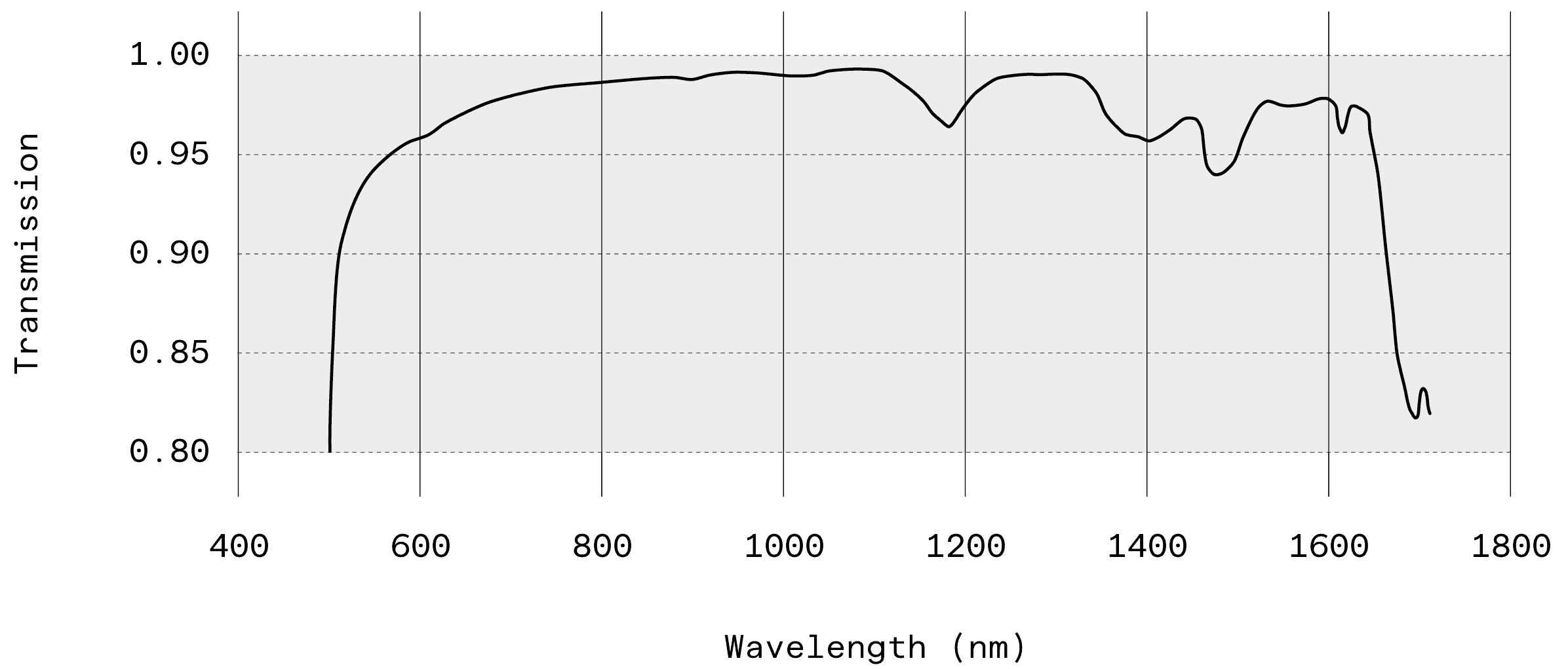
- Transparent across O–L telecom bands
- Autoclavable and reflow approved
- Fully cured directly after printing
UpOpto
High optical transparency resin
Developed for demanding optical components where maximum transmission in the VIS spectral region and minimal background signal are essential.
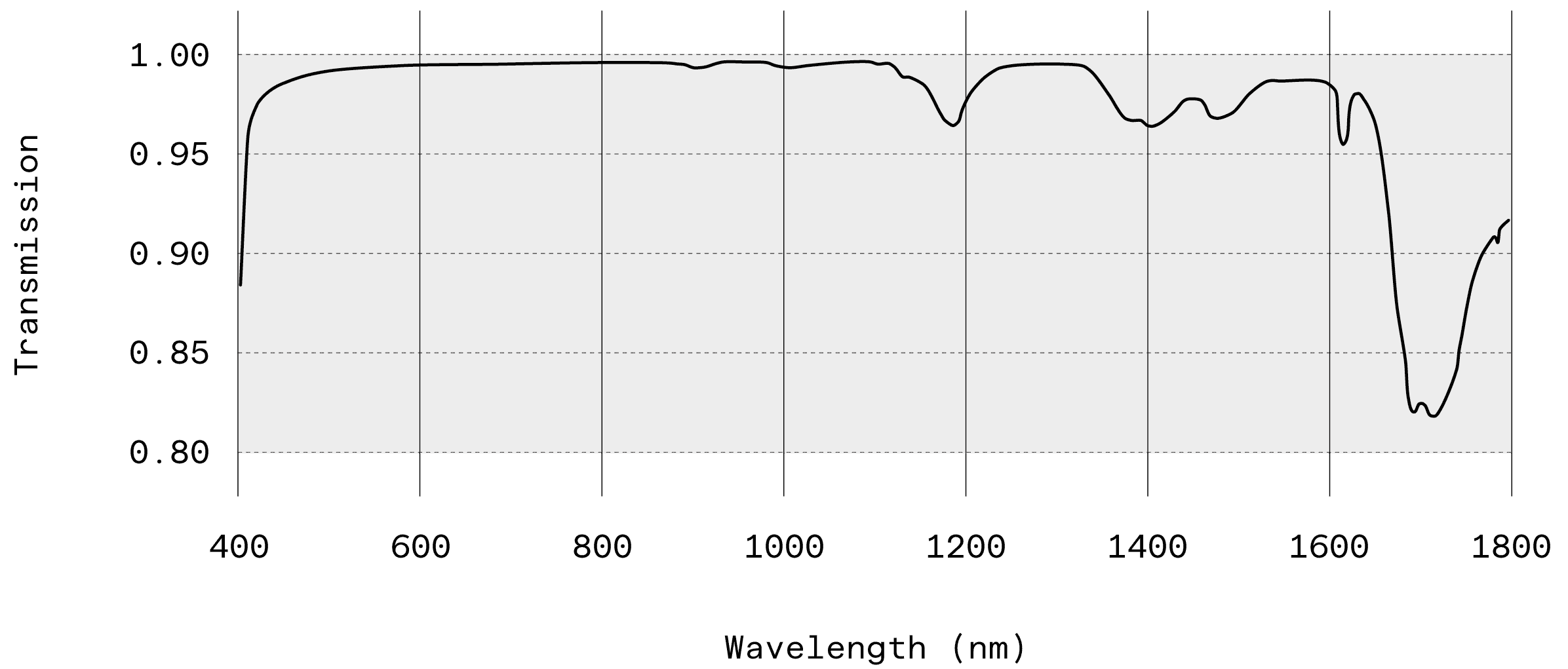
- High transmission down to 380 nm
- Ultra-low autofluorescence
OUR METROLOGY STANDARD
Device: Sensofar S neox
Standard: ISO 25178 (F-Filter: 3rd order polynomial, L-Filter: 8 µm)
ACCESSORIES FOR PHOTONIC INTEGRATION
Purpose-built accessories expand the NanoOne 2PP 3D printing platform’s capabilities beyond standalone optics, enabling direct integration with fiber-based photonic components and packaging workflows.

SINGLE FIBER & FERRULE HOLDER
Enables direct printing onto single optical fibers or ferrules for micro-optics and photonic packaging. Automated tip and core detection ensures precise alignment and streamlined setup.

FIBER ARRAY HOLDER
Supports direct printing on multiple fibers in fiber array units (FAU) simultaneously for high-throughput photonic applications. Automated core detection and geometry alignment ensures efficient, repeatable fabrication across fiber arrays.
FURTHER VALIDATION IN PUBLISHED RESEARCH
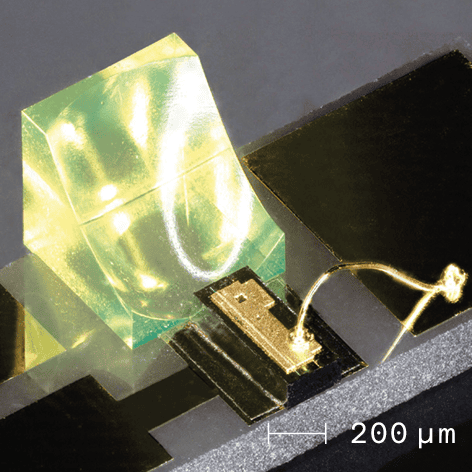
High-resolution 3D-printed reflective micro-collimators for facet-emitting mid-infrared lasers
Magnetic remote actuation of soft materials is attractive for applications such as transforming materials and medical robots. However, due to manufacturing limitations, microscale magnetoactive devices are scarce and light-based additive manufacturing methods, despite achieving microscale resolution, struggle with particle-induced light scattering. Moreover, large hard-magnetic microparticles restrict ultimate feature sizes and deformation of soft-magnetic nanoparticle composites requires impractically high loading and field gradients. Among successfully fabricated microscale soft-magnetic composites, limited control over particle loading, distribution, and matrix-phase stiffness has hindered their functionality. Here, we combine two-photon polymerization with iron oxide nanoparticle co-precipitation to fabricate 3D-printed microscale nanocomposites with spatially tunable nanoparticle distribution. We controlled nanoparticle content by locally modulating the two-photon dose, imbuing parts with varied magnetic functionality and achieving millimeter-scale elastic deformations, demonstrated by a soft robotic gripper and a bistable bit register and sensor. Our approach enables precise control of mechanical and magnetic properties toward microscale metamaterial and robotics applications.
3D-Nanoprinted Fluidically Steerable Soft Robotic Microcatheters
Endovascular interventions—i.e., minimally invasive procedures that involve navigating guidewires and/or microcatheters through a patient’s vasculature to access target treatment sites—have emerged as a preferable alternative to traditional open surgery in many clinical contexts. Unfortunately, maneuverability constraints inherent to conventional guidewire-microcatheter systems can hinder effective navigation to target sites, elevating the risk of procedural complications or failed catheterization. Soft robotic surgical instruments that harness fluidic actuation schemes hold unique promise to overcome such challenges; however, manufacturing-induced limitations remain a critical barrier to their miniaturization, reproducibility, and clinical translation. To address these issues, in this work, a novel additive manufacturing strategy is presented to realize fluidically steerable soft robotic microcatheters via “two-photon direct laser writing (DLW)”. As an exemplar relevant to 3-French (1 mm-in-diameter) microcatheters used for transarterial chemoembolization (TACE), a 3D-printed soft microrobotic tip is fabricated, which enables localized steering driven by microfluidic inputs while simultaneously facilitating fluidic payload delivery through a central lumen. By providing a pathway to new classes of soft robotic microsurgical instruments that enable on-demand steerability via fluidic means, the presented strategy offers notable potential for navigating narrow, complex, tortuous, and/or delicate vasculature to enhance the safety and efficacy of endovascular therapy.
A Cryo-CMOS Color-Center Quantum Controller with Diamond Waveguide Micro-Chiplet Integration
We present a scalable cryo-CMOS controller for color-center-based quantum processors. A diamond waveguide micro-chiplet with NVs is pick-and-placed on CMOS with a 3D-printed prism for scalable photonic readout. A serial qubit driver array using grid inductors and pulse-width modulators generates a programmable 2.87GHz magnetic field for each qubit with low power and strong confinement. Up to 144 qubits can be operated on a single chip, with 204μW power consumption per qubit under active control.
MaterialS science
Open 3D printing platform for novel material development and the production of micron and sub-micron scale structures.
Experience a versatile platform for advanced material science at the sub-micron level. It offers extensive opportunities for material testing and fabrication. With various VAT sizes available, tailored to accommodate different volumes of liquid resin, UpNano’s printing system is ideal for processing metamaterials and creating architecture geometries. The VAT printing mode combined with 2PP is unique and facilitates a diverse range of resins while simultaneously protecting sensitive optics. Additionally, by incorporating a high-performance laser, this platform provides enough power to polymerize even the most unique resins, unlocking new possibilities in material development.
- Open system allowing users to conduct material development and discovery
- VAT printing setup enables the use of all different kind of resins
- Different VAT sizes provide freedom in substrate choice
- Dip-in free printing protects high-precision objectives and optics at all times
- High-performance laser provides sufficient power to polymerize specialized resins
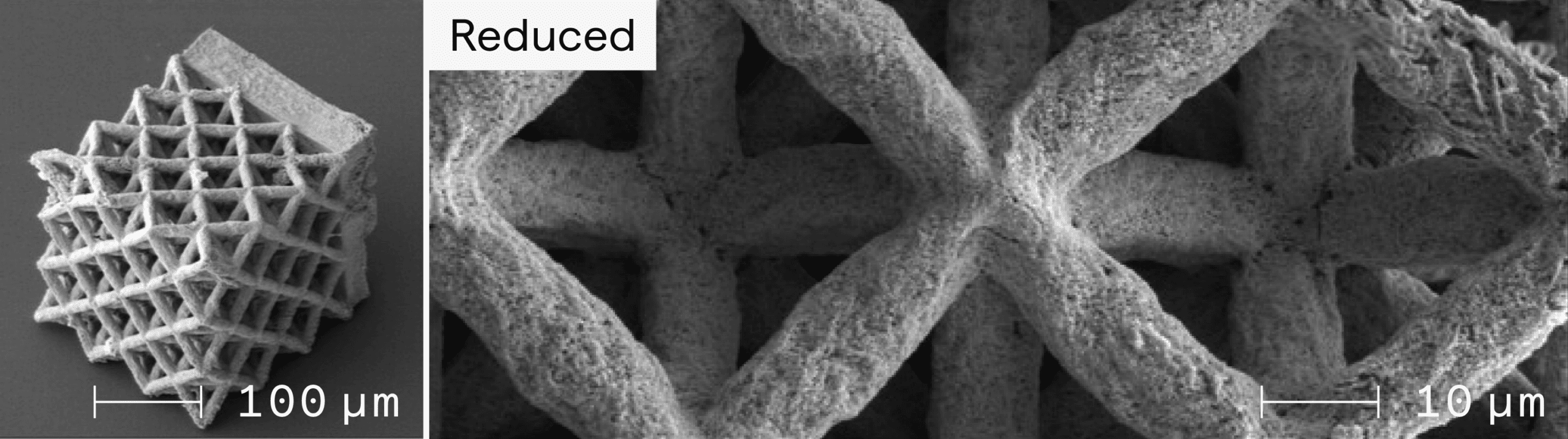
2PP-DERIVED METAL STRUCTURES 10 μ m
2PP-patterned organic–inorganic photoresins can be converted into complex 3D tungsten and tungsten carbide microstructures for applications in micromachining, metamaterials and catalysis.
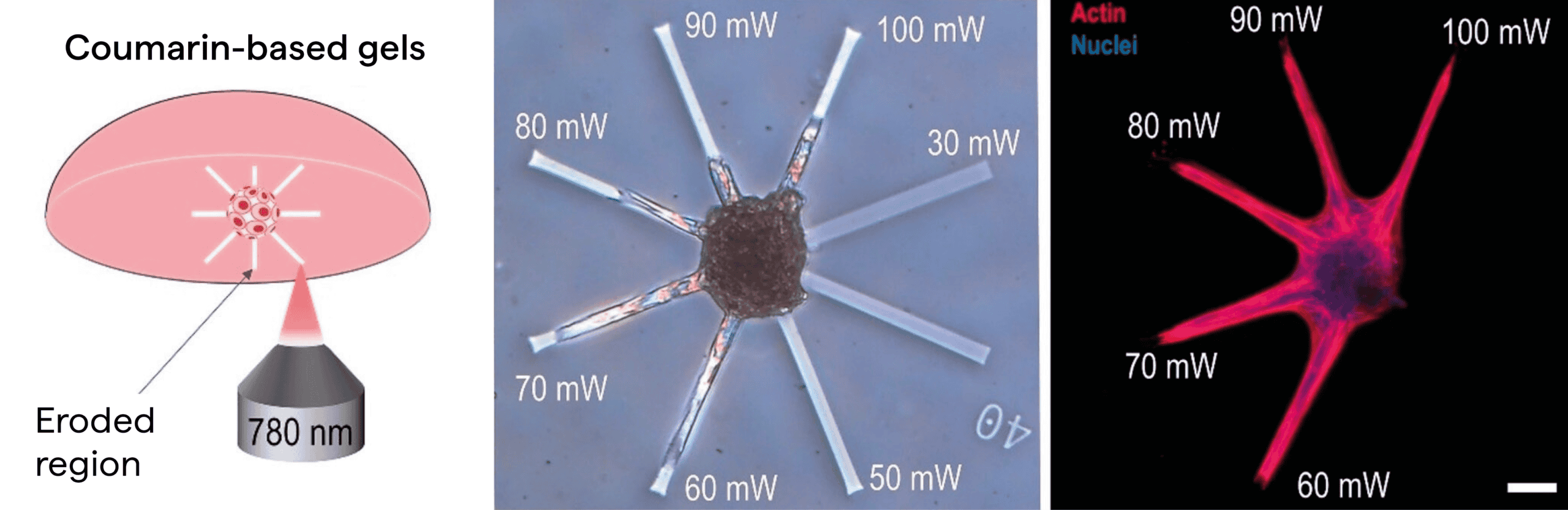
PHOTODEGRADABLE HYDROGELS
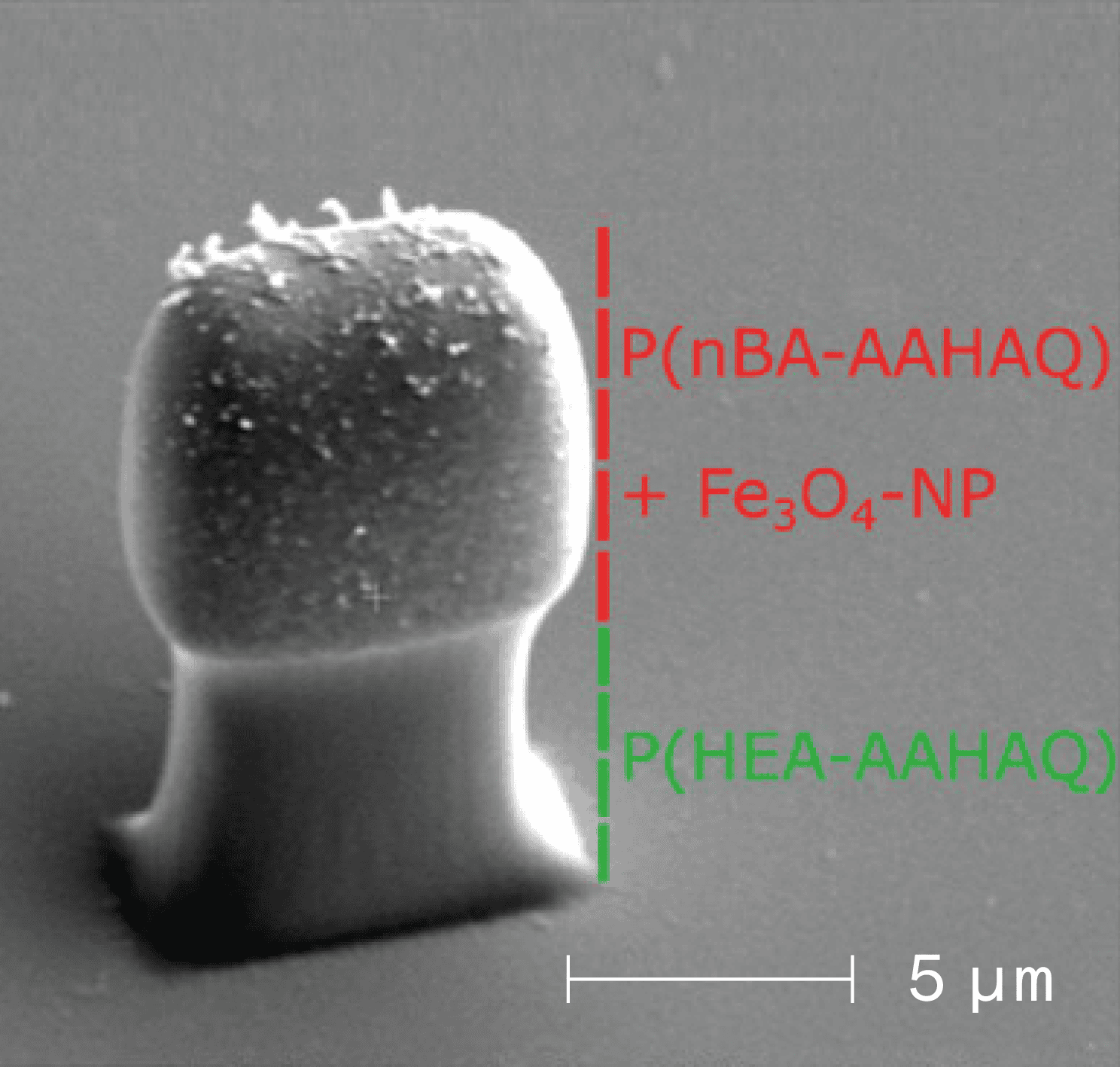
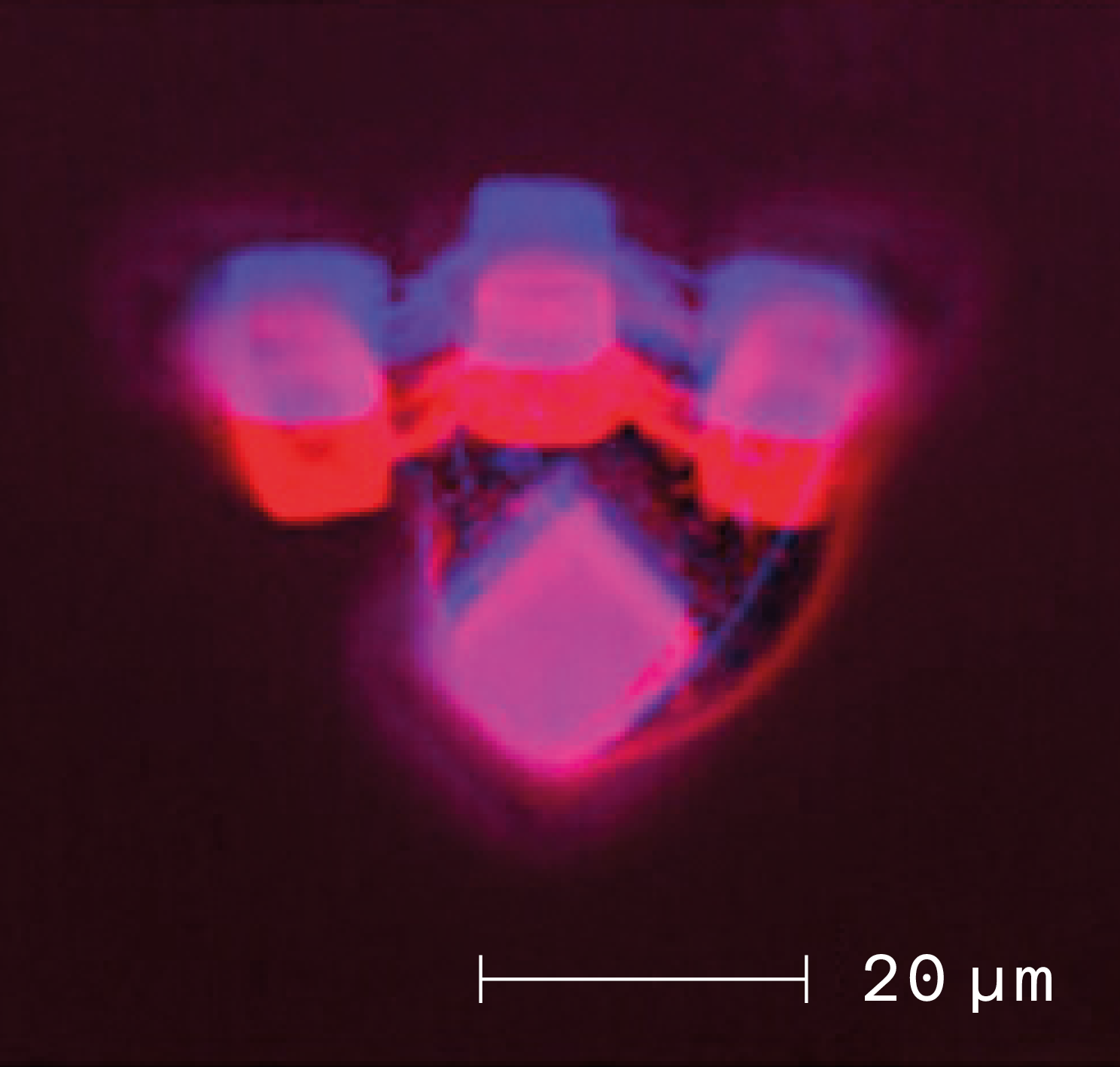
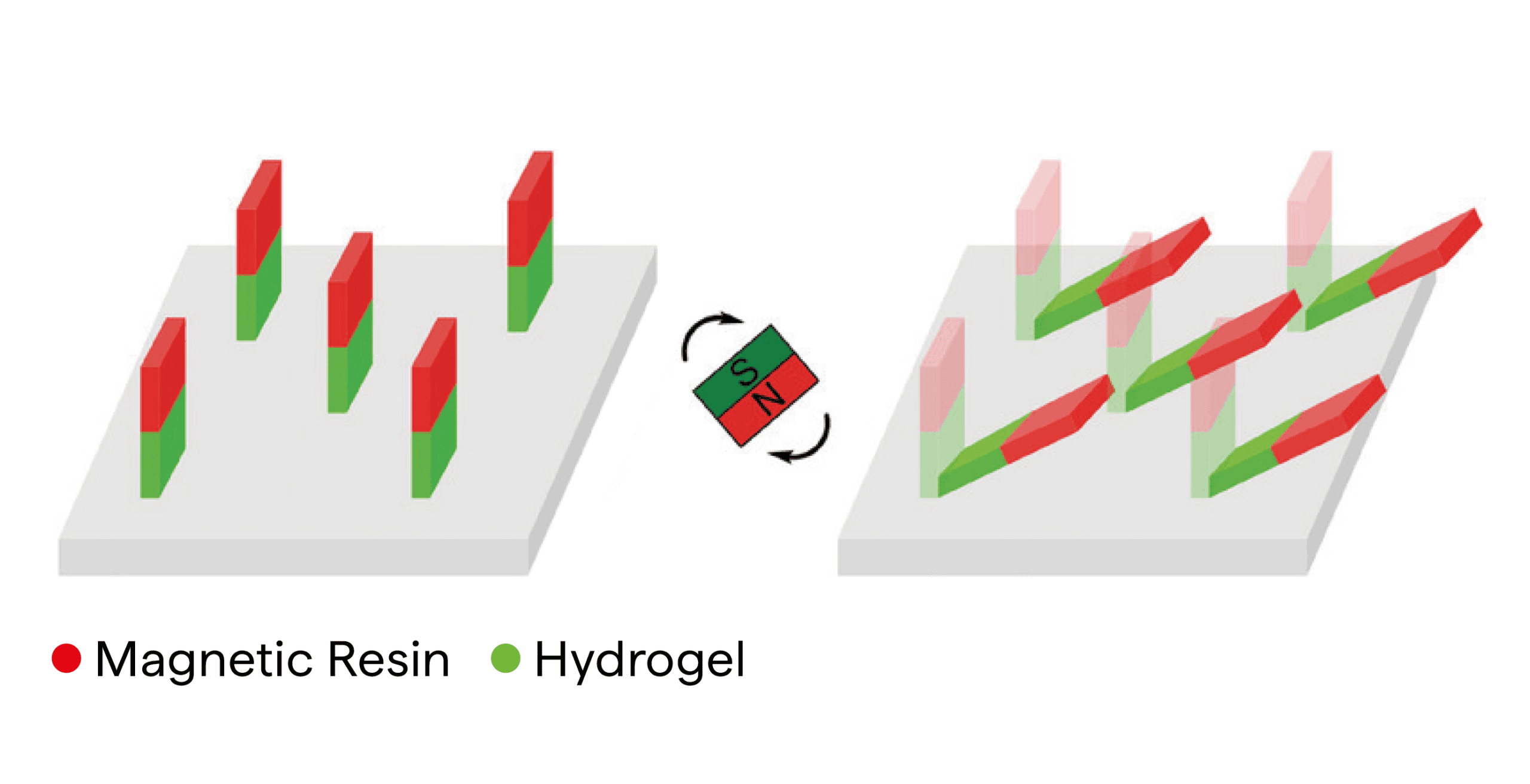
2PP-printed hydrogel–magnetic resin microactuators use embedded magnetic nanoparticles to remotely apply controlled mechanical stimulation to cells.
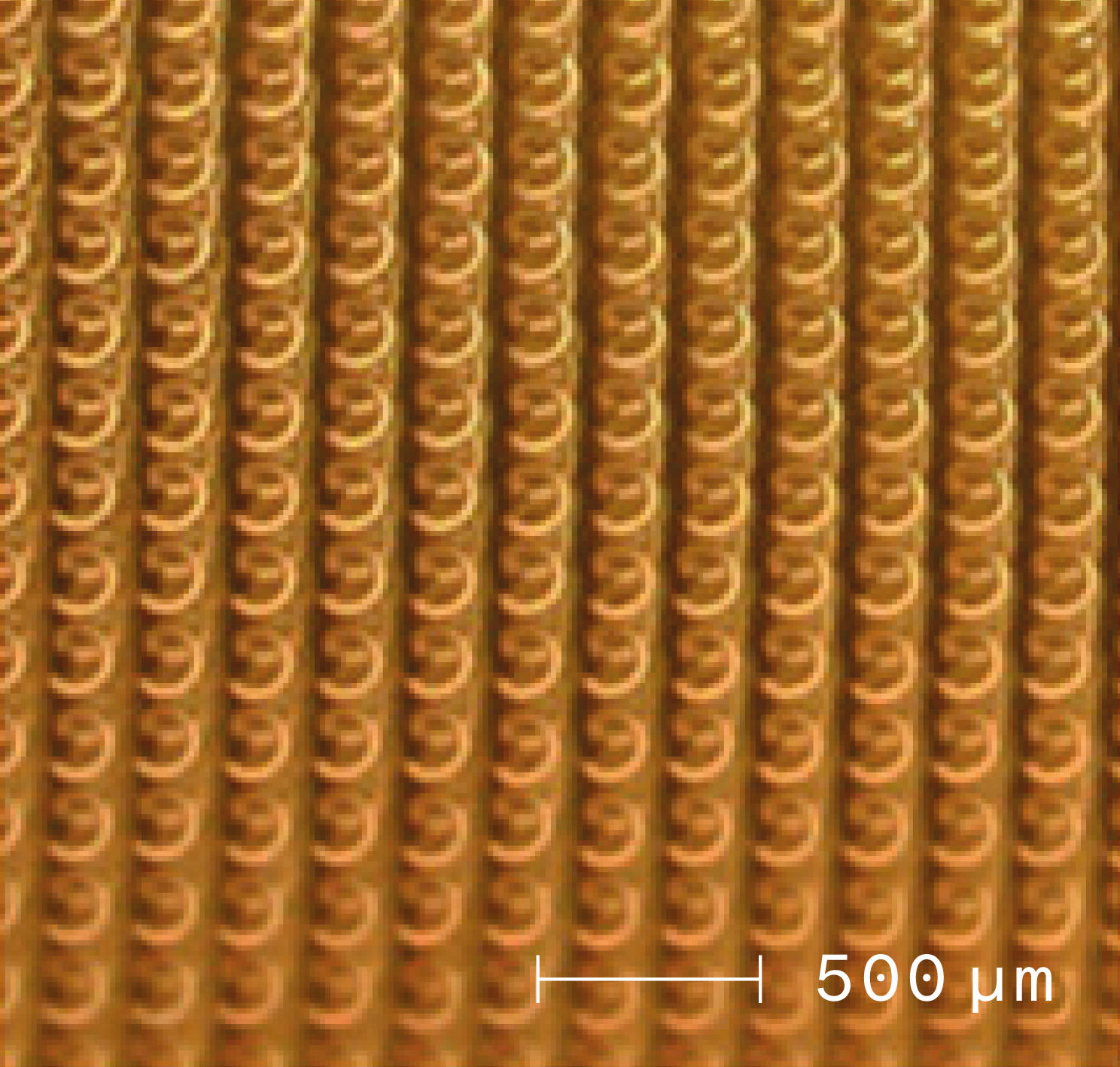
THz CHIRAL PHOTONIC METAMATERIALS
Gold-coated 2PP-printed helix arrays embedded in PDMS create mechanically tunable THz metamaterials with strong polarization-selective optical response.
4D SOFT MATERIALS FOR CELL STIMULATION
2PP-printed hydrogel–magnetic resin microactuators use embedded magnetic nanoparticles to remotely apply controlled mechanical stimulation to cells.
SHAPE-MEMORY MICROARCHITECTURES
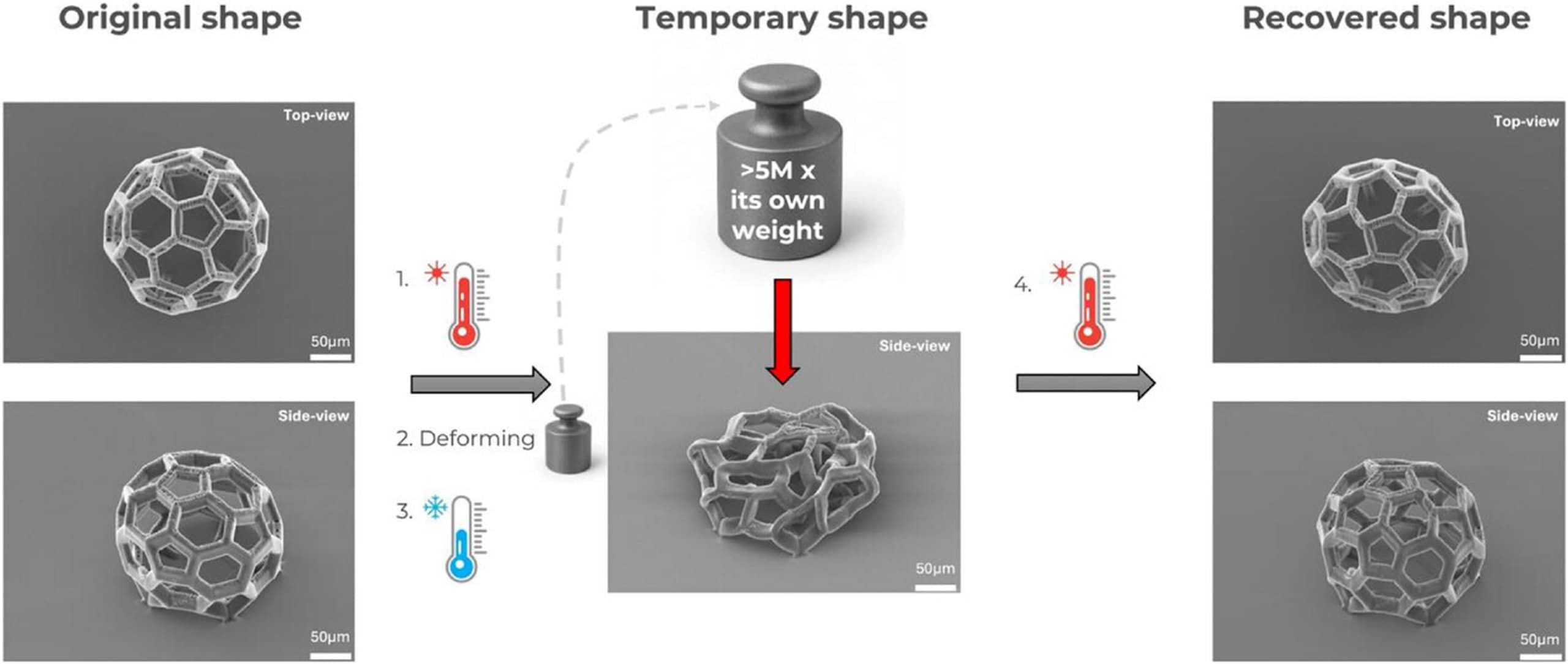
Custom-designed shape-memory photoresins allow 2PP-printed hollow microstructures to be compressed into a temporary state and recover their original 3D shape upon heating.
Biomimetic structures & surface functionalization
The NanoOne 2PP printing platform transforms surface design into functional microarchitectures. By fabricating complex 2.5D and 3D topographies with high precision, surfaces can be engineered to control wetting, cell interaction, optical response or biological adhesion through geometry. Printed structures can be used directly or as masters for replication into application-relevant materials.
BIOMIMETIC WETTING-CONTROL SURFACE
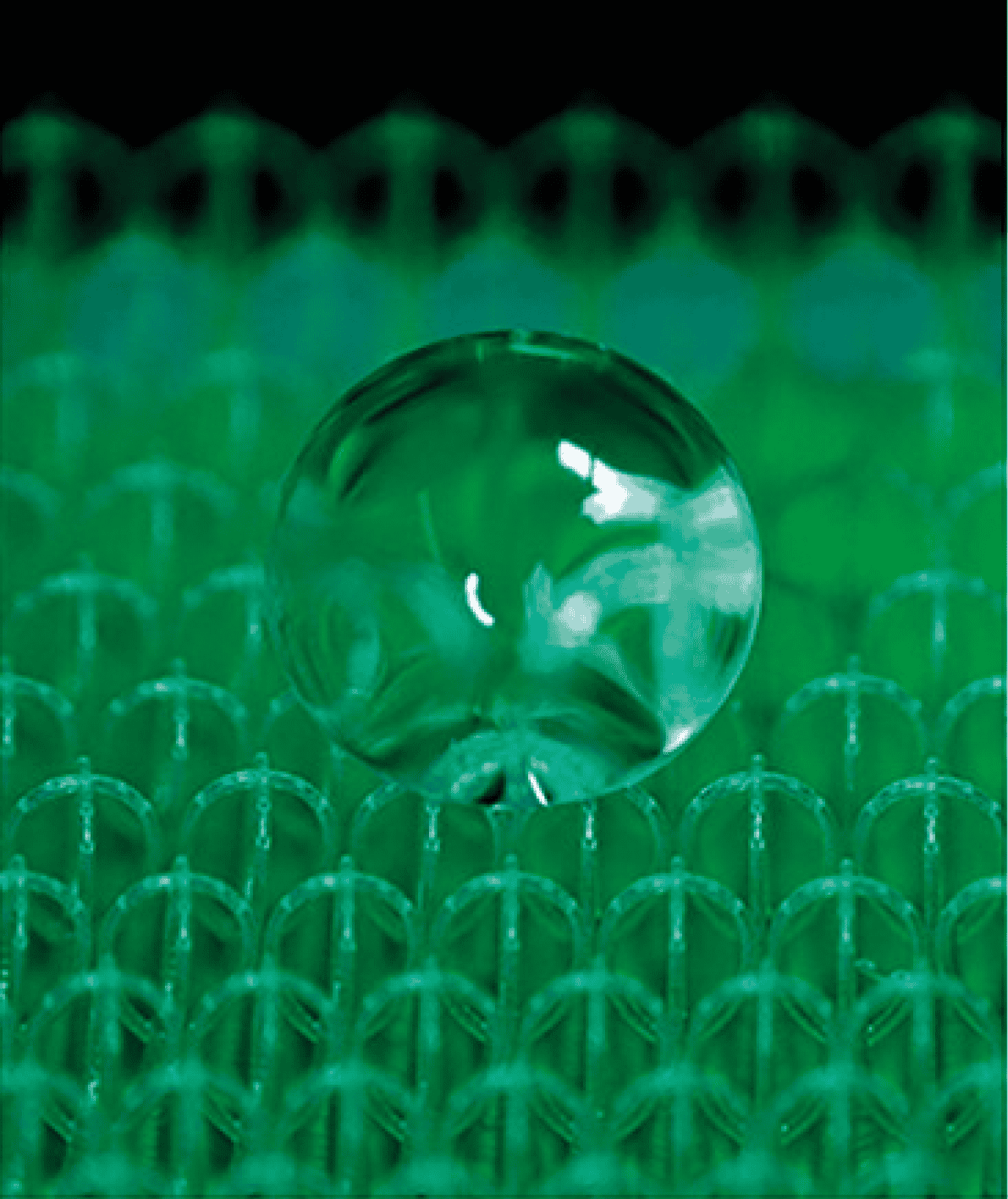
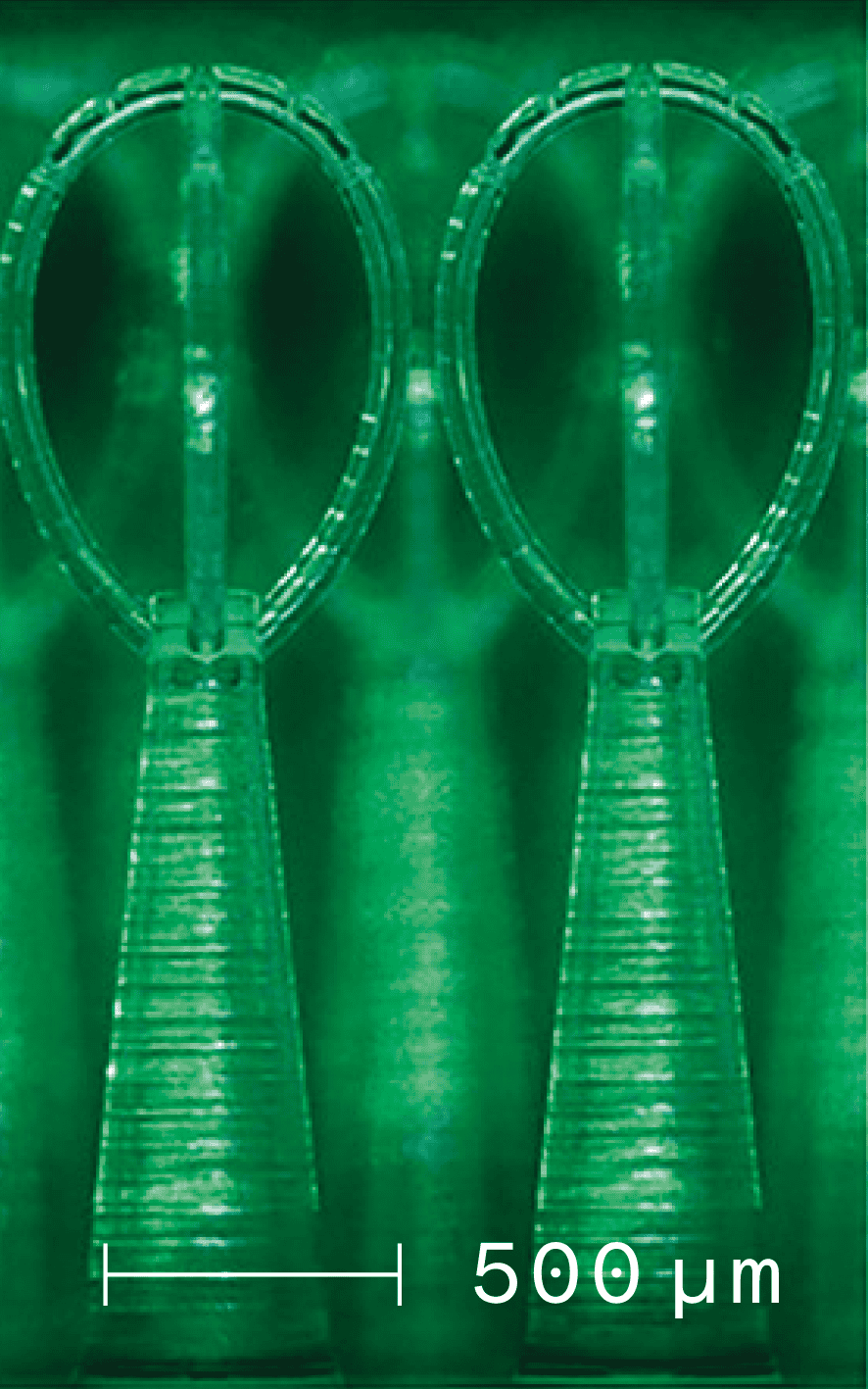
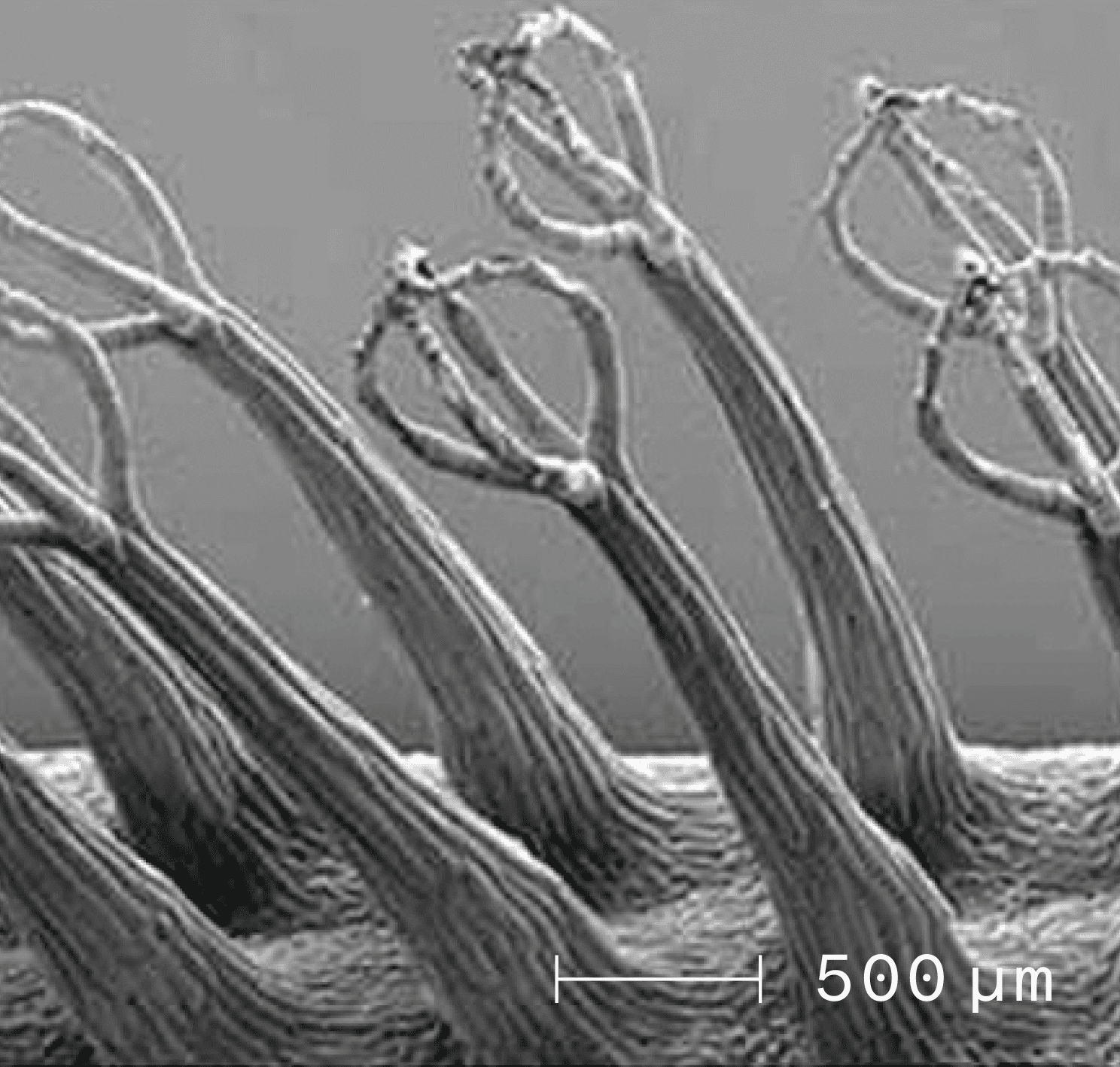
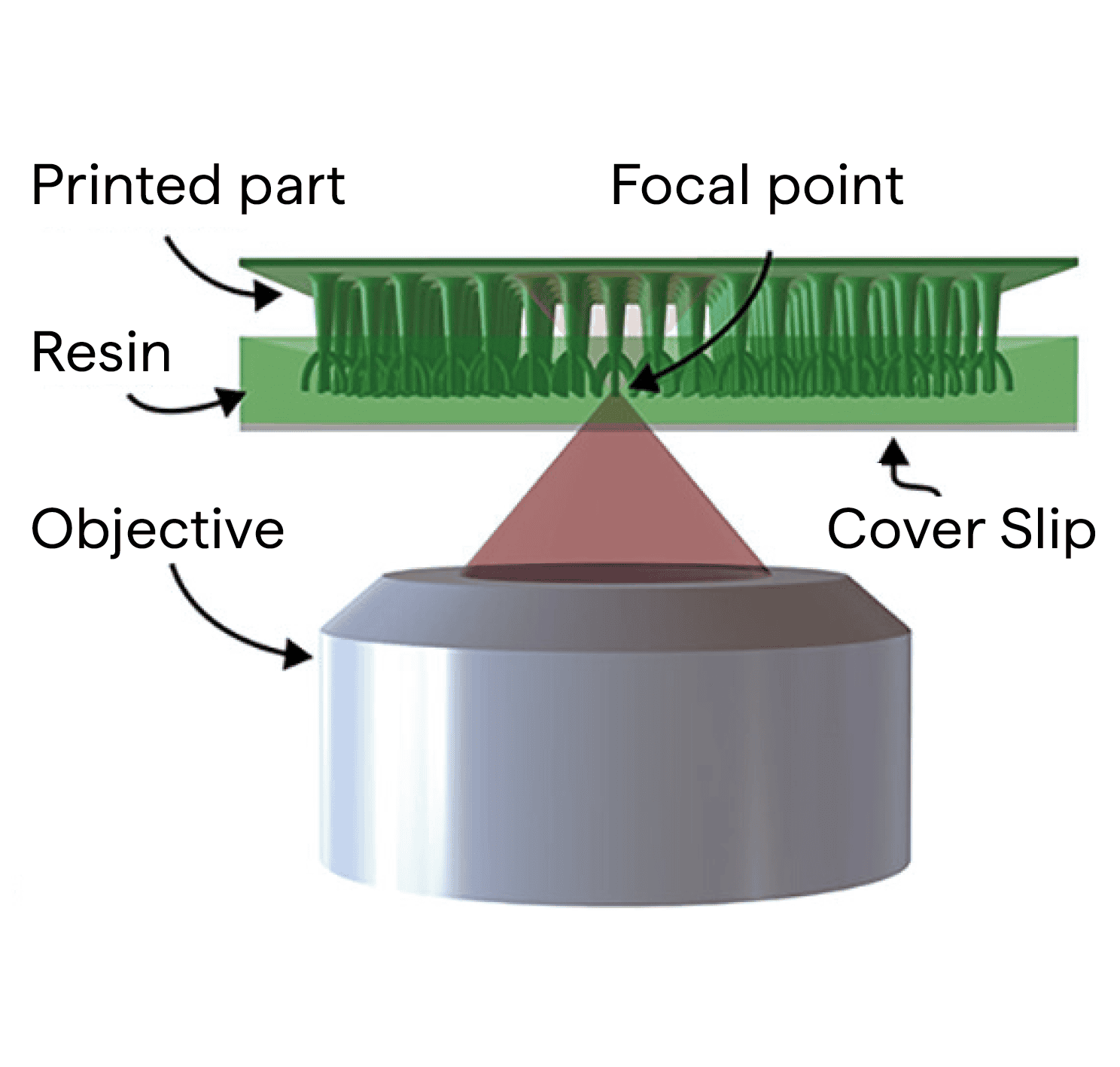
2PP-printed Salvinia molesta-inspired trichome arrays demonstrate geometry-driven water repellence and droplet pinning in a monomaterial microstructured surface.
BONE-MIMETIC SURFACE FUNCTIONALIZATION
2PP-derived osteon-like microtopographies functionalize PCL surfaces with bone-inspired cues that promote stem-cell attachment and osteogenic response.
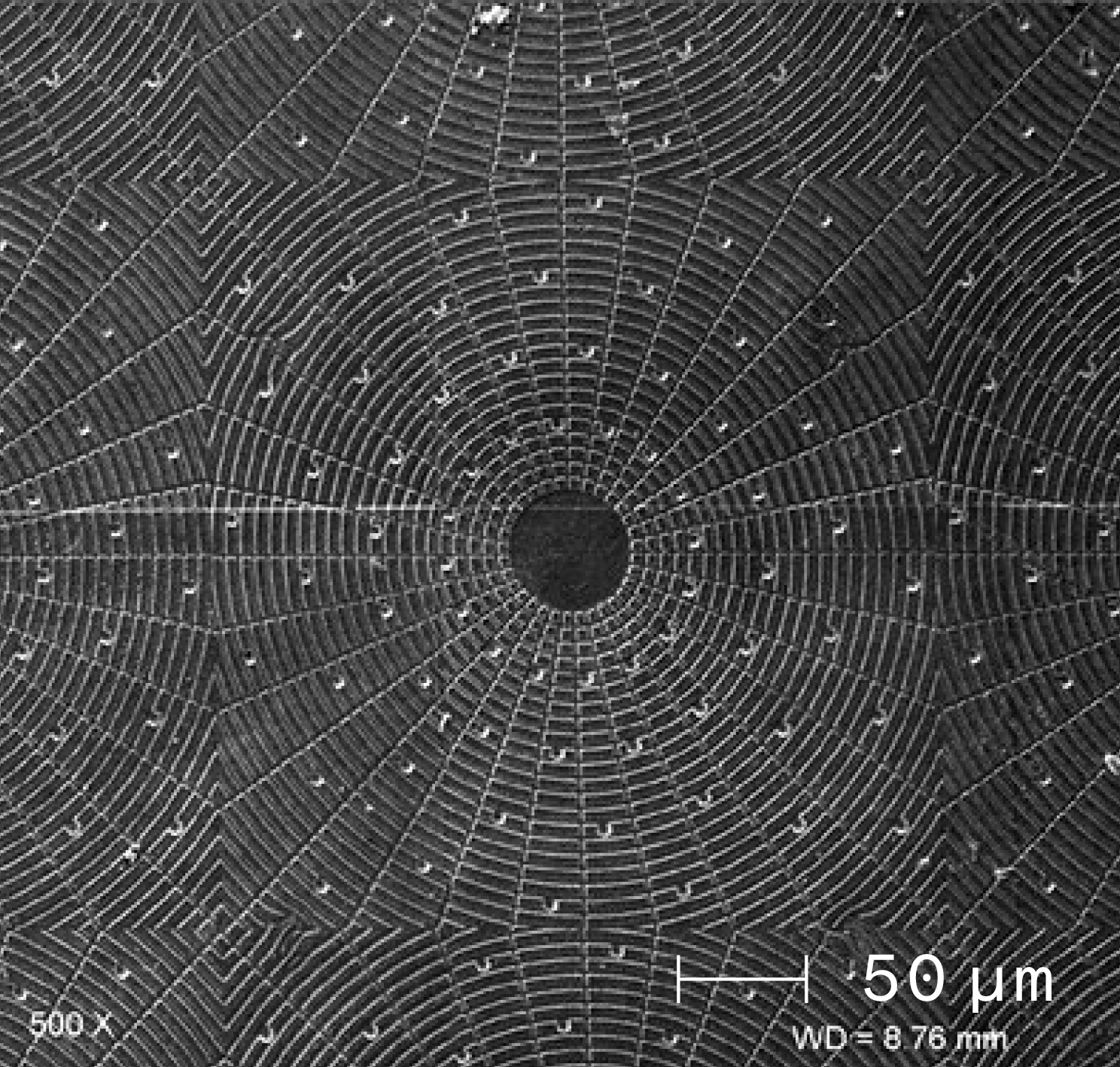
LARGE-AREA STITCH-FREE PLANAR OPTICAL ELEMENTS
Triangular diffraction grating used as master for holography.
FURTHER VALIDATION IN PUBLISHED RESEARCH
Reconfigurable architected material systems inspired by feather shaft mechanics
Shape memory behavior in engineered systems is traditionally achieved through material-level phase transformations or polymer network rearrangements.
While effective, these approaches tightly couple functionality to chemistry, limiting scalability, material choice, and manufacturing flexibility. An alternative paradigm is to embed recoverability within structural architecture itself, decoupling actuation from intrinsic material phase changes. We present a feather-inspired phase-transforming cellular material–spring system (F-PXCM) that achieves shape recovery through structural interactions rather than active phases. PXCMs, designed with bistable sinusoidal geometries, mimic the hydration-induced softening of the feather matrix, while temperature-invariant springs replicate keratinous fibers. Finite element simulations show that thermal softening of PXCMs, combined with spring restitution, enables complete recovery, while additive-manufactured prototypes confirm the computational results. Exploratory microscale fabrication with two-photon polymerization highlights key challenges and pathways forward.
Multimaterial additive manufacturing of GelMA hydrogel-based structures with tuneable compositional and mechanical properties
Magnetic remote actuation of soft materials is attractive for applications such as transforming materials and medical robots. However, due to manufacturing limitations, microscale magnetoactive devices are scarce and light-based additive manufacturing methods, despite achieving microscale resolution, struggle with particle-induced light scattering. Moreover, large hard-magnetic microparticles restrict ultimate feature sizes and deformation of soft-magnetic nanoparticle composites requires impractically high loading and field gradients. Among successfully fabricated microscale soft-magnetic composites, limited control over particle loading, distribution, and matrix-phase stiffness has hindered their functionality. Here, we combine two-photon polymerization with iron oxide nanoparticle co-precipitation to fabricate 3D-printed microscale nanocomposites with spatially tunable nanoparticle distribution. We controlled nanoparticle content by locally modulating the two-photon dose, imbuing parts with varied magnetic functionality and achieving millimeter-scale elastic deformations, demonstrated by a soft robotic gripper and a bistable bit register and sensor. Our approach enables precise control of mechanical and magnetic properties toward microscale metamaterial and robotics applications.
Magnetically responsive microprintable soft nanocomposites with tunable nanoparticle loading
Magnetic remote actuation of soft materials is attractive for applications such as transforming materials and medical robots. However, due to manufacturing limitations, microscale magnetoactive devices are scarce and light-based additive manufacturing methods, despite achieving microscale resolution, struggle with particle-induced light scattering. Moreover, large hard-magnetic microparticles restrict ultimate feature sizes and deformation of soft-magnetic nanoparticle composites requires impractically high loading and field gradients. Among successfully fabricated microscale soft-magnetic composites, limited control over particle loading, distribution, and matrix-phase stiffness has hindered their functionality. Here, we combine two-photon polymerization with iron oxide nanoparticle co-precipitation to fabricate 3D-printed microscale nanocomposites with spatially tunable nanoparticle distribution. We controlled nanoparticle content by locally modulating the two-photon dose, imbuing parts with varied magnetic functionality and achieving millimeter-scale elastic deformations, demonstrated by a soft robotic gripper and a bistable bit register and sensor. Our approach enables precise control of mechanical and magnetic properties toward microscale metamaterial and robotics applications.
Fusion and high-energy-density physics
UpNano’s technology enables precisely defined foam, lattice and capsule architectures for inertial confinement fusion, laser–matter interaction studies and plasma diagnostics. The NanoOne supports deterministic control over complex 3D microstructures, helping researchers explore target concepts beyond the limits of conventional foam fabrication.
- 3DAR (3D Adaptive Resolution) print mode enables dynamic voxel control in all three dimensions, allowing for stitch-free, superior shell surface quality
- Used by leading national labs to print complete inertial confinement fusion target capsules
- Shells and internal foam structures in a single print
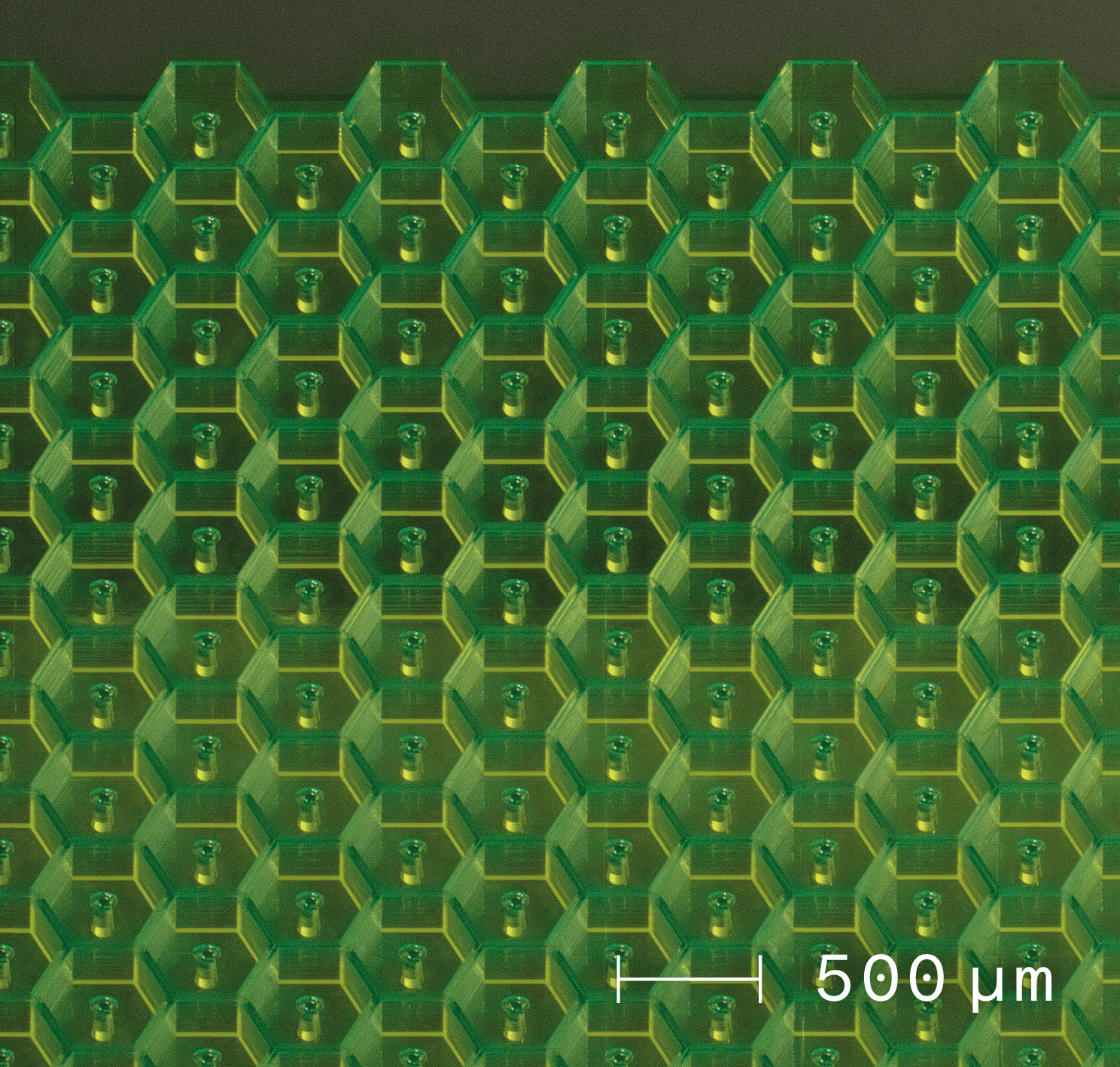
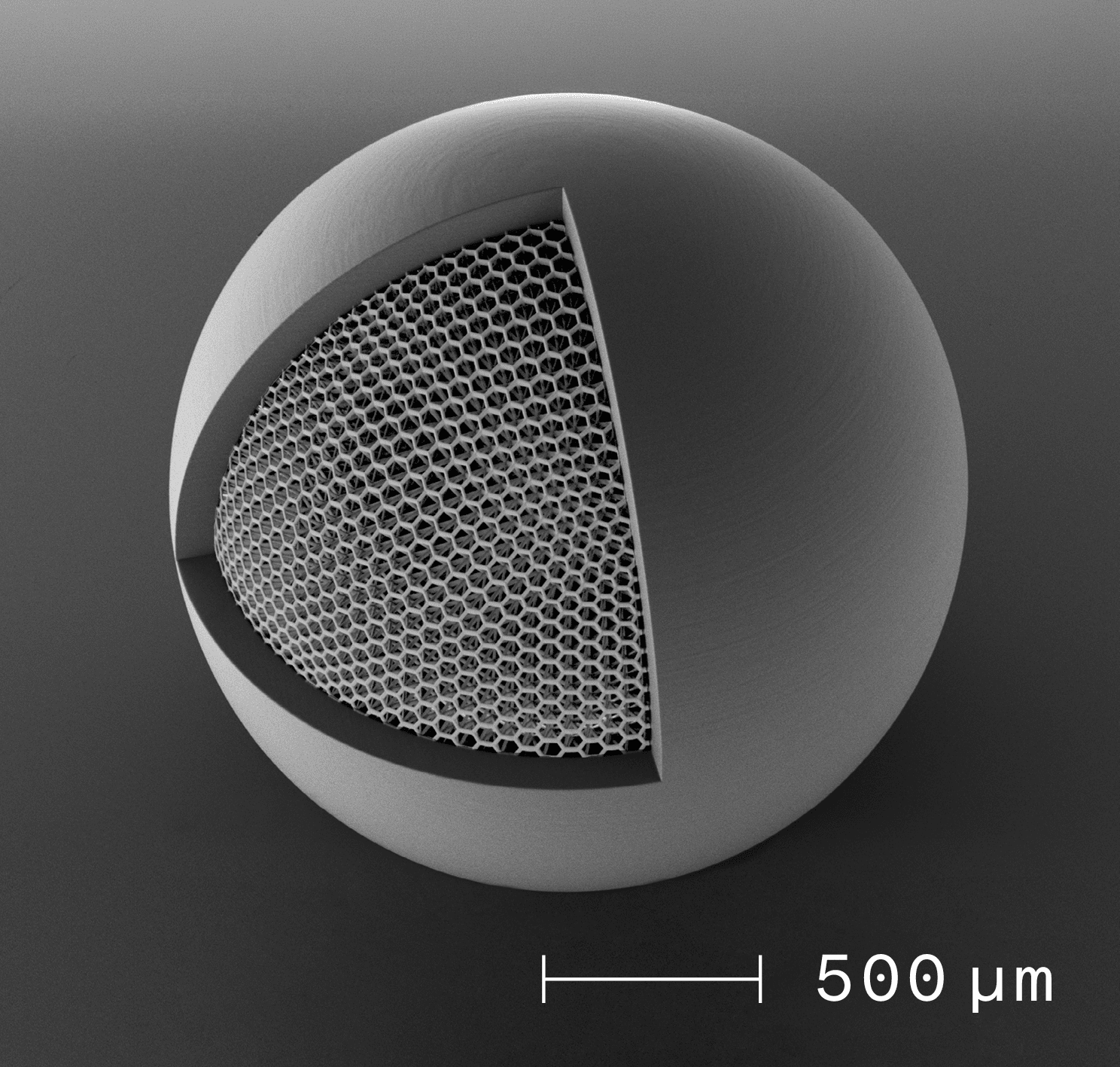
All-2PP printed capsule with internal hexagonal foam layer
2PP is explored for the fabrication of wetted-foam fusion target concepts at the National Ignition Facility (NIF). In 2026 Moestopo et al. reported the first fully 2PP-printed wetted-foam capsule with 3 mm outer diameter, demonstrating that complex fusion targets can be fabricated in a single printing process.
In the initial study, capsules showed stitching artifacts and limited surface quality. UpNano has since optimized the printing process and produced a 2 mm fully stitching-free capsule with a surface roughness of Sq 15 nm.
Application reference: Moestopo et al., Fusion Sci. Technol., DOI: 10.1080/15361055.2025.2605605.
FOAM HOMOGENIZATION TARGET
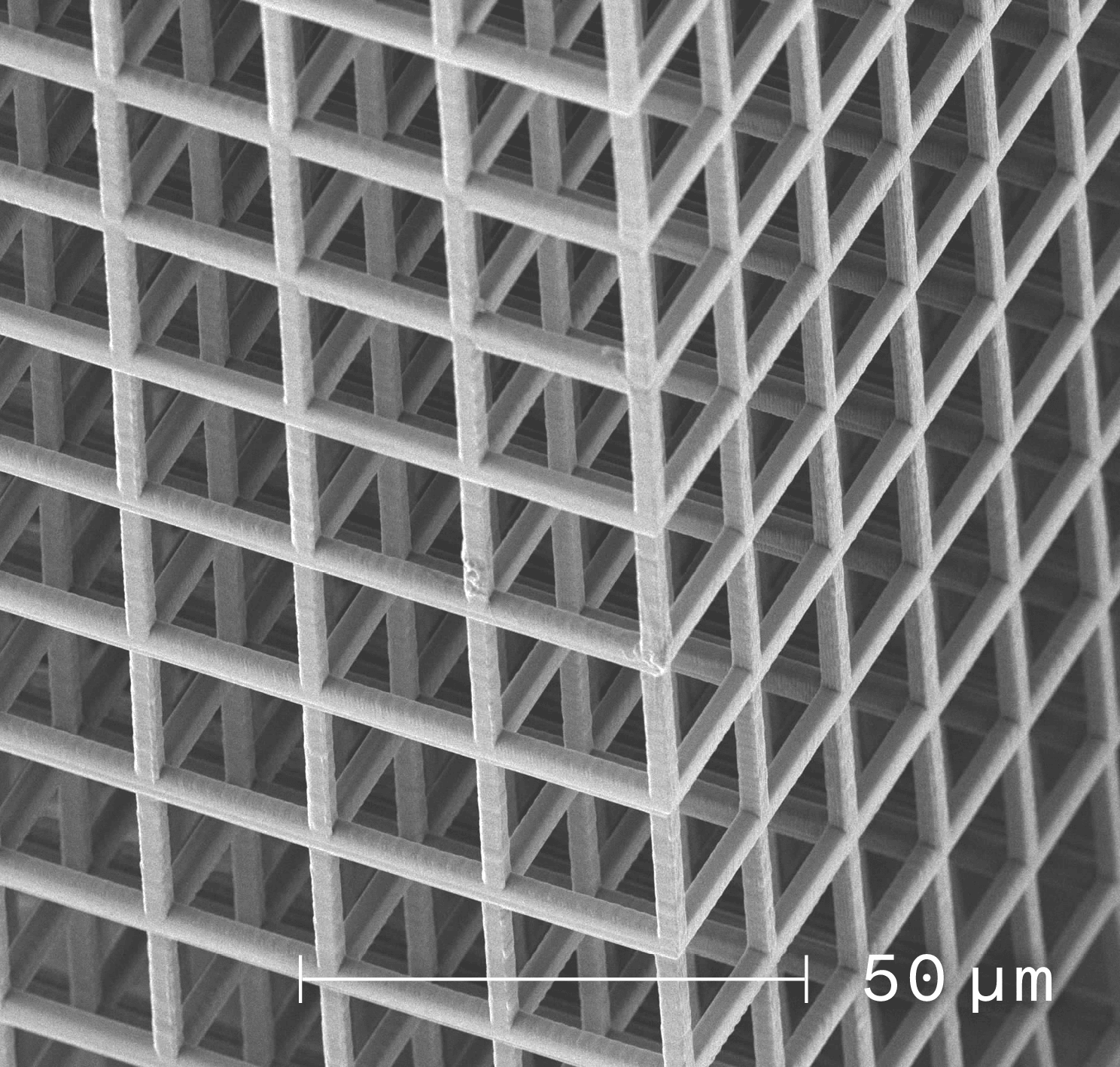
UpNano-printed cubic lattice foam applied as a model target to study ultrafast homogenization under proton heating and X-ray probing.
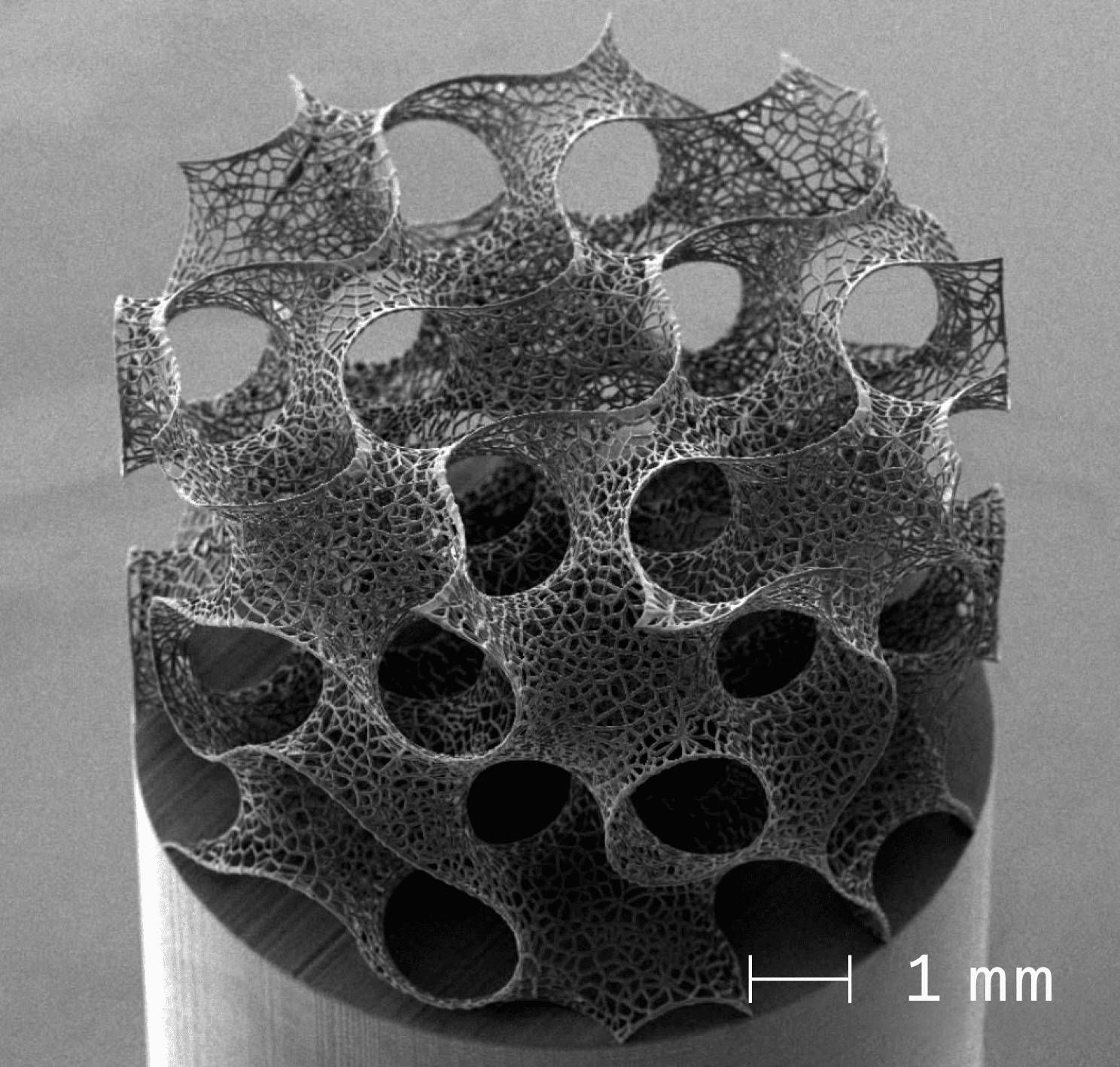
Voronoified gyroid structure printed on target holder using Adaptive Resolution.
FURTHER VALIDATION IN PUBLISHED RESEARCH
Fully Additively Manufactured Wetted Foam Capsules for Inertial Confinement Fusion
In the pursuit of realizing reliable clean energy generation via inertial confinement fusion (ICF), wetted foam (WF) capsule targets have long been coveted due to their potential to simplify the target fielding process and suppress hydrodynamic instabilities and material mixing that limit achievable energy output, yet producing and deploying a WF target has proven challenging. In this work, we demonstrate the design, fabrication, metrology, and testing of fully additively manufactured (AM) foam-lined capsules using two-photon polymerization (2PP) for ICF. We successfully fielded an AM polymeric foam capsule with a 3-mm outer diameter, a nominally 15-µm-thick solid outer layer, a 120-µm-thick inner foam layer, and a 250-µm outer diameter copper fill tube on the National Ignition Facility for a polar direct-drive shot, and we showcase deuterium wetting of the capsule foam layer inside an ignition target proofing station. Our exploration showed that 2PP can produce fieldable targets with complex geometries and potentially shorten the design iteration turnaround time and the overall target fabrication time.
Probing ultrafast foam homogenization with grating-based X-ray dark-field imaging
Microstructured foams are emerging as a promising class of targets, with applications ranging from laser-driven particle acceleration to inertial confinement fusion. To unlock their full potential, a deeper understanding of their properties, especially the changes and behavior of the microstructure under extreme conditions, is required. While recently advancing 3D printed foam targets can be observed by X-ray radiography, the microstructure in chemically produced targets is far below the spatial resolution of conventional radiography. To overcome this limitation, we apply grating-based X-ray dark-field imaging to observe structural changes in foams that are rapidly heated by laser-accelerated proton pulses. The experimental data is compared to synthetic dark-field values obtained from hydrodynamic simulations of a simplified foam model. Both experimental and simulation results demonstrate the viability of utilizing grating-based dark-field imaging for observing microstructural changes in foam targets.
Medical devices
From rapid prototyping to industrial serial production of high-fidelity micro-components for medical devices, including diagnostic tools and treatment devices, as well as microneedle arrays.
With a push towards custom micro-scale medical devices and equipment, there is an urgent need for additive fabrication techniques that can reliably produce components which cannot be easily fabricated using other methods. The UpNano printing platform provides the optimal tool for medical device and component fabrication. Our high-precision platform ensures rapid generation of high-fidelity parts for a variety of applications. Additionally, UpNano offers multiple non-cytotoxic resin choices as well as resins with a range of stiffness requirements to match the mechanical requirements for a given part.
- Intuitive fabrication for a variety of geometries
- Fully cured polymer resins for robust part design
- Mold and master production for PDMS casting
- Ability to generate hollow and/or channeled structures
- Several non-cytotoxic resins to choose from
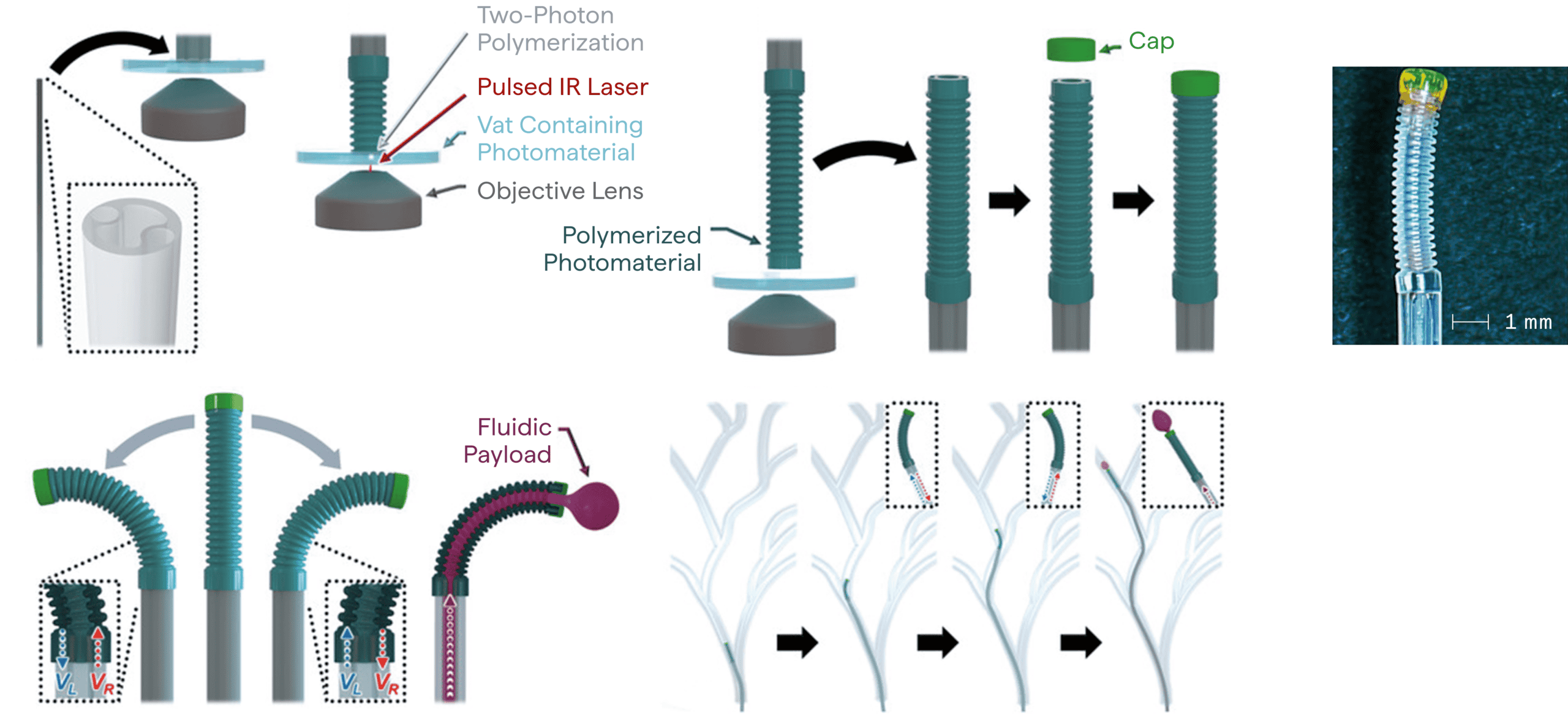
FLUIDICALLY STEERABLE MICROCATHETER
3D-nanoprinted soft robotic microcatheter tip with integrated fluidic actuation and payload delivery for guidewire-free navigation in complex vasculature.
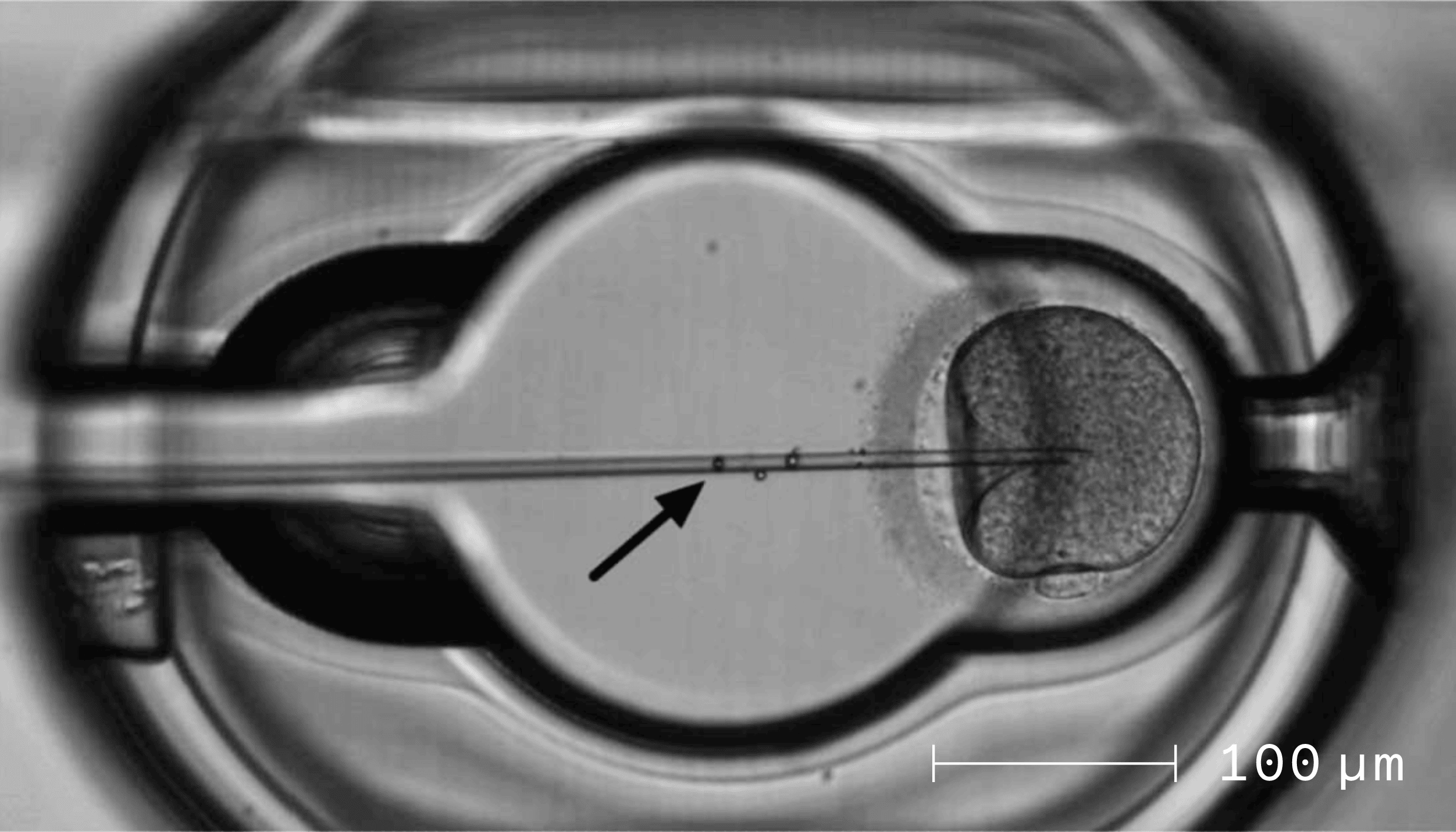
MicroICSI DEVICE FOR ASSISTED REPRODUCTION
For the fertilization step, a 2PP-printed microICSI device supports oocytes in individual microwells during microinjection. By replacing the conventional holding pipette, the device simplifies handling and improves procedural efficiency. The microICSI was made from UpFlow, a material specifically developed for microfluidics.
Microneedles
Rapid arrays of high-fidelity microneedles for sampling and drug administration.
Microneedle-based devices offer painless drug or cosmetic delivery and easy blood sampling for at-home diagnostics. However, microneedle designs, ranging from sub-micron to millimeter scale, pose a challenge for mass production. The Think3D user software allows precise microneedle design and fabrication, with adjustable resolution and throughput using our “Adaptive Resolution” function. This ensures rapid creation of microneedles without compromising quality. The platform is ideal for fabricating hollow channel designs for circular or angled channels. Non-cytotoxic resins are available for various applications. Additionally, microneedle molds can be created for high-volume replication processes.


FURTHER VALIDATION IN PUBLISHED RESEARCH
Design of Water-Resistant, Food-Grade Microneedles for Fish Injection and Underwater Cargo Delivery
Aquatic foods provide around 15% of consumed animal-derived protein worldwide and aquaculture now supplies most of it.
But the industry faces significant challenges in disease prevention and excessive use of antimicrobials. Vaccination, particularly for juvenile fish, can mitigate these risks, but manual and automated needle-based vaccination methods are costly, stressful, and labor-intensive. Here, a water-resistant, food-grade microneedle platform is designed to deliver cargos underwater. Silk fibroin-based microneedles are engineered to remain water resistant from minutes to hours in order to penetrate fish skin in wet conditions. To meet the requirements of different underwater applications, three microneedle morphologies─shell, solid-tip, and hollow─are developed, and their different combinations of mechanical integrity, water-resistance performance, cargo compatibility, and release kinetics are studied. The microneedles also preserve the supercoiled conformation of ⩾50% of the loaded pIHNVw-G plasmids─developed to protect fish against infectious hematopoietic necrosis virus─outside the cold chain for 4 weeks under dry conditions. In pilot animal studies, injected microneedles remain attached to zebrafish and juvenile rainbow trout while swimming. Using this food-based microneedle platform, we envision the development of tools for underwater vaccination of juvenile fish that increase aquaculture efficiencies and reduce environmental impact.
Long-term ultrasound-enhanced convective injection device for neural drug delivery
Targeted brain delivery remains challenging, as current approaches require repeated craniotomies, tethered equipment, or systemic administration with poor blood-brain barrier (BBB) penetration.
Here, we present the long-term ultrasound-enhanced convective injection device (LUCID), a chronic implantable system integrating a flexible 24-element piezoelectric micromachined ultrasound transducer (pMUT) array with a two-photon 3D-printed cannula, wireless-powered PCB, and passive osmotic reservoir for fully implantable, ultrasound-enhanced convective delivery. Ultrasound increases interstitial transport and distribution volumes beyond conventional pressure-driven infusion. We demonstrate payload distribution across an escalating range of BBB exclusion: rhodamine B (479 Da), Gadavist (605 Da; in vivo), and TRITC-dextran (∼70 kDa; size matched to large therapeutic proteins). By eliminating repeated surgical interventions, LUCID enables longitudinal delivery regimens that locally enhance the distribution of BBB-excluded payloads, with potential applications in brain tumors and neurodegenerative diseases and gene therapy delivery directly to neural circuits. This technology addresses a critical unmet need for minimally invasive, programmable, long-term drug delivery.
Simple and robust aqueous sheet jets in vacuum
Free-standing thin liquid films offer a convenient way to probe matter in solution without a substrate, where a small sample thickness is required.
The production of thin films in a vacuum environment is required for probes that cannot penetrate through a surrounding gas or in cases where the gas produces problematic background noise. Nozzles that produce continuously flowing liquid sheet jets have been employed recently for scattering and spectroscopy measurements at X-ray free-electron lasers (XFELs). However, their performance in vacuum with aqueous samples is complicated by high freezing susceptibility due to a strong evaporative cooling effect. Here, we introduce a vacuum-compatible gas-impinging liquid sheet jet nozzle capable of generating sub-100 nm aqueous films. The introduction of a second axisymmetric helium gas sheath surrounding the liquid orifice enables seamless startup and shutdown within a vacuum environment. We investigated the sheet geometry dependence under varying flow conditions and liquid viscosity and demonstrated its viability for X-ray scattering measurements at a high-repetition-rate XFEL source. Finally, we present potential strategies for reducing sample consumption. Our findings confirm that this nozzle exhibits simplified vacuum operation and may help promote the broader utilization of liquid sheet jets for several experimental applications.
Microfluidics
The NanoOne 3D printing platform sets new standards in the production of microfluidic and microphysiological systems.
Microfluidics is crucial in the biopharmaceutical industry (for drug screening, diagnostics, LOC, and OOC), yet challenging geometries and internal features hinder broader production with traditional methods. UpNano’s printing platform overcomes these limitations, enabling high-precision manufacturing of in-chip and in-well geometries within commercial chips, as well as entire chip designs with complex internal channel structures as small as 10 µm. Our portfolio of hydrogel and non-cytotoxic resins supports the direct use of manufactured devices. UpFlow stands out from this portfolio with its low viscosity and ultralow fluorescence. Specially designed for microfluidic applications, this resin is ideal for cell-based imaging and fine channels.
- Ability to fabricate external-chip fluid interfaces
- In-chip printing of ultrafine elements and scaffolds
- Non-cytotoxic resin with low-viscosity and ultralow-fluorescence
- Finest channel diameter of 10 μm
- Complex internal (3D) geometries
Printing of integrated microfluidic chips – a groundbreaking use case
To increase the success rates of in vitro fertilization (IVF) and reduce handling stress on oocytes and embryos, researchers at the Australian National Fabrication Facility (ANFF) at the University of South Australia used the NanoOne to create specialized IVF microdevices for workflows in the critical phase between fertilization and implantation.
The fully 2PP-printed nest-and-cradle microfluidic device incorporates 50 µm channels for controlled nanoliter-scale perfusion, allowing embryologists to monitor and control the culture environment of fertilized eggs and developing embryos. Removable cradles keep samples securely positioned and reduce repeated manual transfer between culture dishes, minimizing handling-related damage. The dynamic perfusion of culture medium provides a more physiologically relevant environment than current static culture by enabling controlled nutrient delivery, waste removal and fluid movement similar to conditions in the reproductive tract.
Read more: McLennan et al., Sci. Rep., DOI: 10.1038/s41598-023-27660-x, CC BY 4.0.

Nest-and-cradle microfluidic device: The entire device was printed with the NanoOne using patented Adaptive Resolution technology to achieve precision where needed and speed where possible.

A close-up displays mouse embryo development experiments inside the cradles.
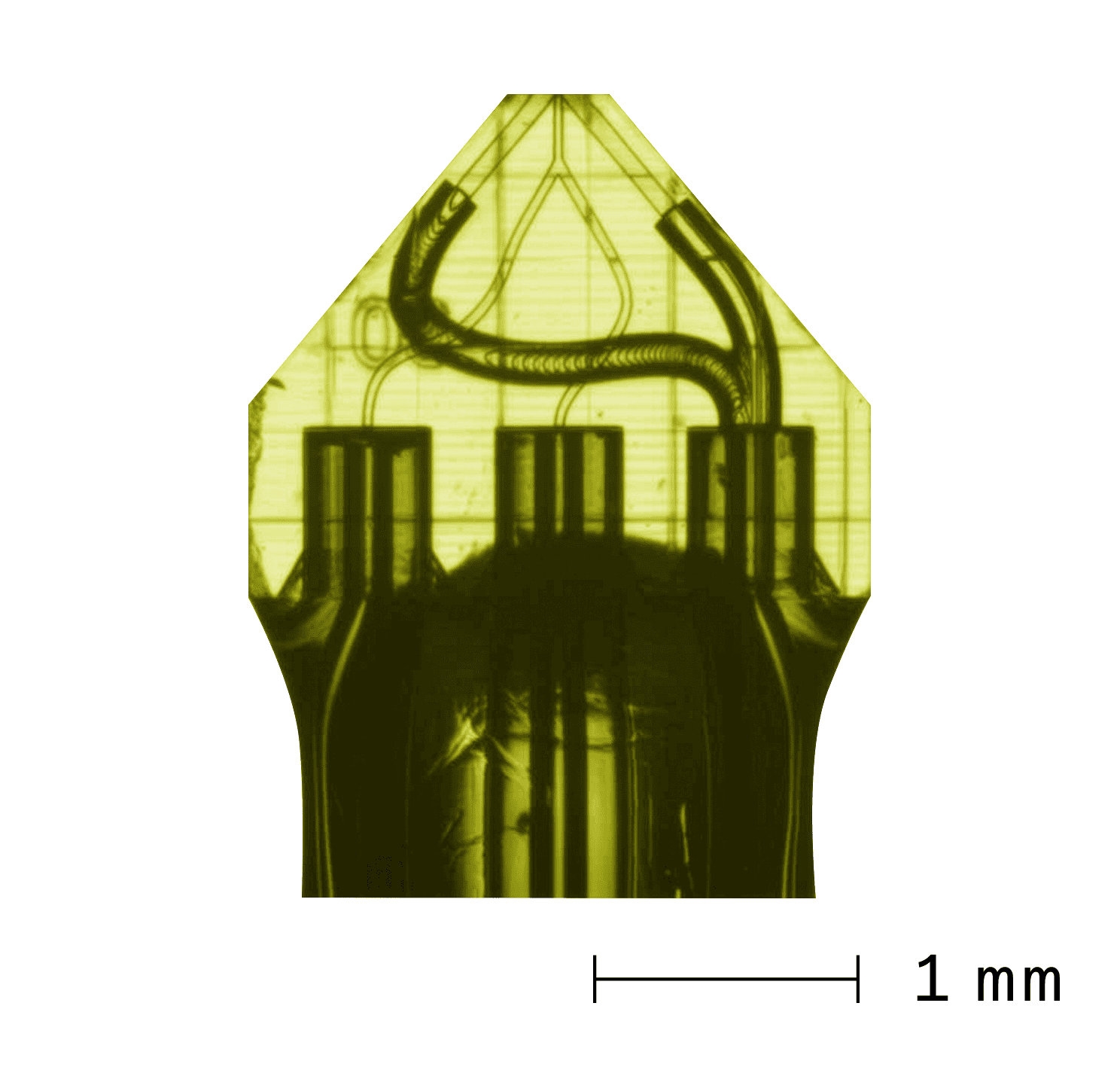
LIQUID SHEET JET FOR XFEL SAMPLE DELIVERY
3D-printed microfluidic nozzle with integrated liquid and gas channels for ultra-thin, stable sheet-jet sample delivery at XFELs.
CUBESAT ELECTROSPRAY THRUSTER ARRAY
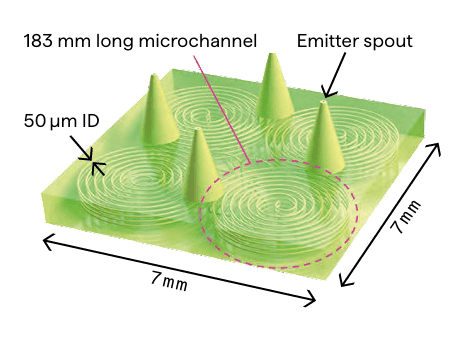
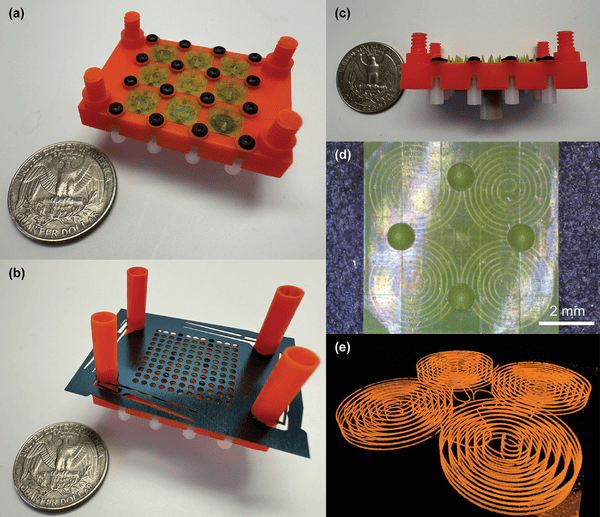
Modular 3D-printed CubeSat thruster with 2PP-fabricated microfluidic emitter modules for uniform propellant delivery and compact electrospray propulsion.
ACOUSTOFLUIDIC MICROMIXER
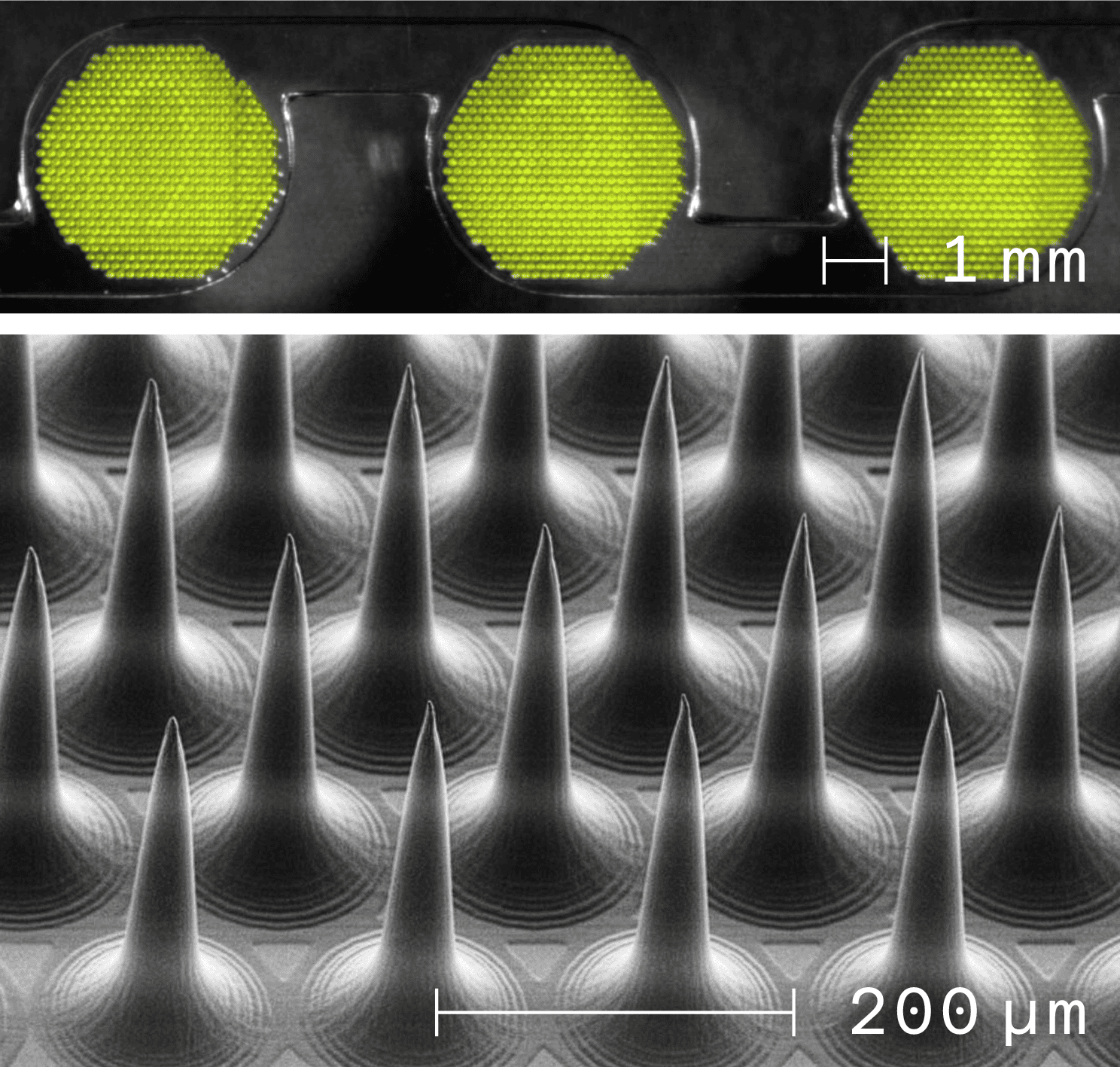
2PP-printed microneedle arrays integrated into microfluidic channels act as ultrasonic microresonators, generating localized acoustic streaming for rapid on-chip mixing and biochemical assays.
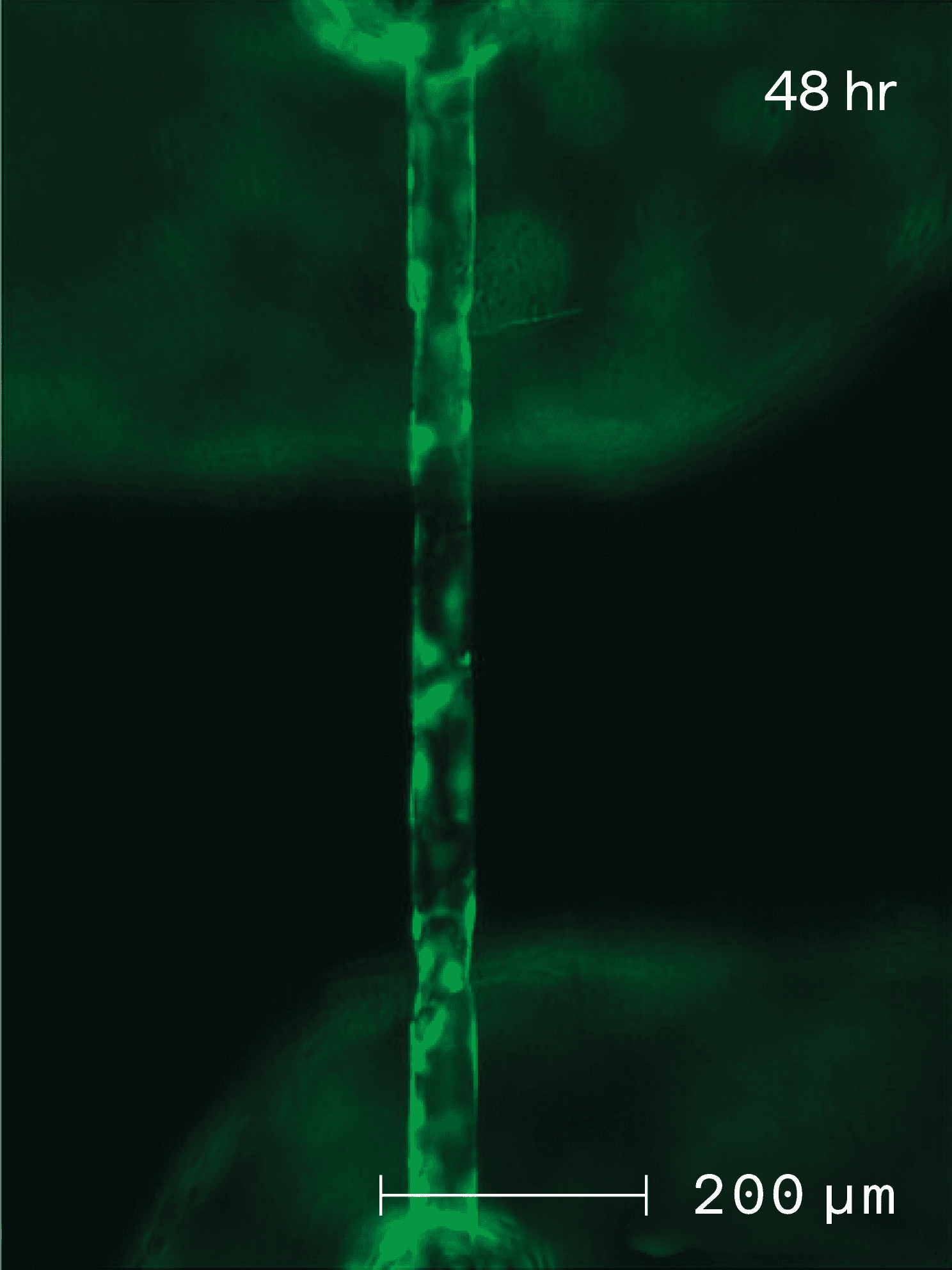
PERFUSABLE VASCULATURE-ON-CHIP
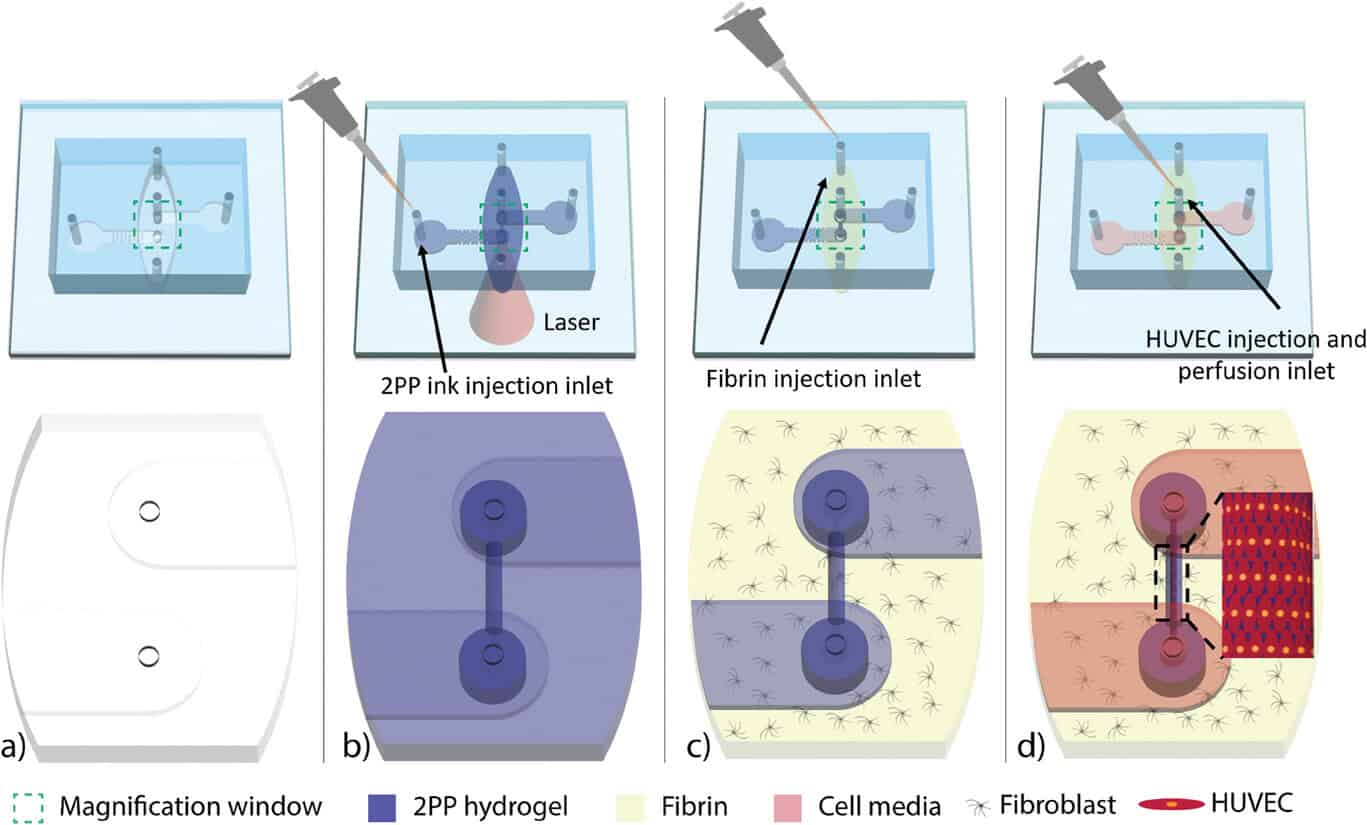
2PP-printed hydrogel channels inside a microfluidic chip support perfusable endothelial–fibroblast co-culture.
In-chip printing of ultrafine elements and scaffolds for 3D cell cultures
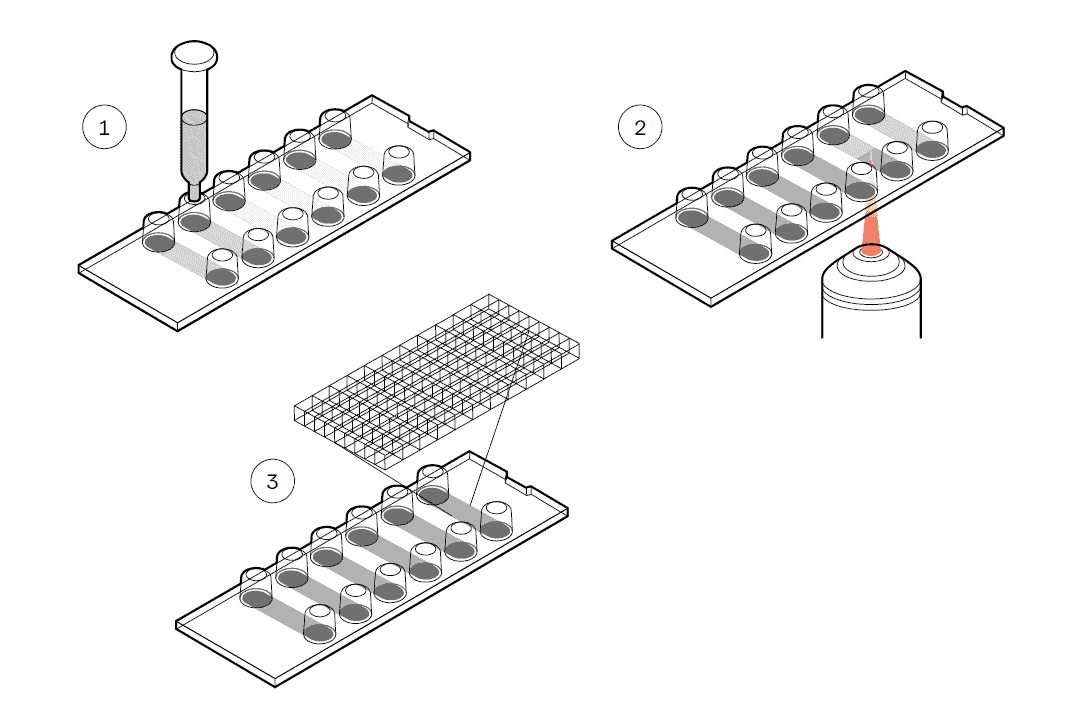
The NanoOne offers a solution for research and industry by using pre-existing infrastructure – 3D printing in injection-molded microfluidic chips.
Sterile manufacturing of in-chip structures is done in three simple steps:
1. Injection of the printing resin into channels
2. 3D printing of structures inside channels using the NanoOne
3. Rinsing of the structure to remove residual unpolymerized resin
FURTHER VALIDATION IN PUBLISHED RESEARCH
Long-term ultrasound-enhanced convective injection device for neural drug delivery
Targeted brain delivery remains challenging, as current approaches require repeated craniotomies, tethered equipment, or systemic administration with poor blood-brain barrier (BBB) penetration.
Here, we present the long-term ultrasound-enhanced convective injection device (LUCID), a chronic implantable system integrating a flexible 24-element piezoelectric micromachined ultrasound transducer (pMUT) array with a two-photon 3D-printed cannula, wireless-powered PCB, and passive osmotic reservoir for fully implantable, ultrasound-enhanced convective delivery. Ultrasound increases interstitial transport and distribution volumes beyond conventional pressure-driven infusion. We demonstrate payload distribution across an escalating range of BBB exclusion: rhodamine B (479 Da), Gadavist (605 Da; in vivo), and TRITC-dextran (∼70 kDa; size matched to large therapeutic proteins). By eliminating repeated surgical interventions, LUCID enables longitudinal delivery regimens that locally enhance the distribution of BBB-excluded payloads, with potential applications in brain tumors and neurodegenerative diseases and gene therapy delivery directly to neural circuits. This technology addresses a critical unmet need for minimally invasive, programmable, long-term drug delivery.
Simple and robust aqueous sheet jets in vacuum
Free-standing thin liquid films offer a convenient way to probe matter in solution without a substrate, where a small sample thickness is required.
The production of thin films in a vacuum environment is required for probes that cannot penetrate through a surrounding gas or in cases where the gas produces problematic background noise. Nozzles that produce continuously flowing liquid sheet jets have been employed recently for scattering and spectroscopy measurements at X-ray free-electron lasers (XFELs). However, their performance in vacuum with aqueous samples is complicated by high freezing susceptibility due to a strong evaporative cooling effect. Here, we introduce a vacuum-compatible gas-impinging liquid sheet jet nozzle capable of generating sub-100 nm aqueous films. The introduction of a second axisymmetric helium gas sheath surrounding the liquid orifice enables seamless startup and shutdown within a vacuum environment. We investigated the sheet geometry dependence under varying flow conditions and liquid viscosity and demonstrated its viability for X-ray scattering measurements at a high-repetition-rate XFEL source. Finally, we present potential strategies for reducing sample consumption. Our findings confirm that this nozzle exhibits simplified vacuum operation and may help promote the broader utilization of liquid sheet jets for several experimental applications.
3D-Printed Microneedle Acoustofluidic Mixer for Rapid On-Chip Biochemical Assays
Efficient mixing in microfluidic systems is bottlenecked by laminar flow and diffusion-dominated transport, limiting the performance of biochemical assays such as conversion rates of enzymatic processes. Here, we present an acoustofluidic micromixer based on two-photon polymerization (2PP)-printed three-dimensional microneedles that act as ultrasonic microresonators to generate localized acoustic streaming. The freeform arrangement of the microneedles enables integration into diverse microfluidic channel layouts and produces strong, tunable streaming vortices that enhance transport. We characterize the streaming flow fields as a function of actuation frequency, and demonstrate rapid and voltage-dependent mixing with a 2.5-fold enhancement. When applied to the alkaline phosphatase–fluorescein diphosphate (ALP–FDP) reaction, acoustic mixing doubles the fluorescein signal under optimal conditions and significantly reduces the assay time and channel footprint required in continuous flow. These resultsdemonstrate that 3D microneedle-based acoustofluidics is a compact, versatile, and integrable solution for enhancing transport-limited biochemical processes in lab-on-a-chip systems.
Bioprinting
The only 2PP 3D printing platform with a true incubation system for high-resolution bioprinting applications.
UpNano’s printing platform offers a truly sterile bioprinting experience, with or without the presence of living cells. This is achieved through a HEPA-filtered airstream inside the build chamber and a print setup where the cell culture plate remains closed throughout the printing process. Optionally, the addition of the Bio Unit creates a printing environment with controlled temperature, humidity, and CO2 levels. Standard-sized multi-well plates, µ-dishes, commercially and custom-made microfluidic chips, as well as petri dishes, can be used.
A dedicated software feature accompanies the hardware, offering an intuitive and dynamic user interface to create multi-well print jobs. This enables easy print job generation with full parameter control in every well. UpNano has a portfolio of several biocompatible resins certified as non-cytotoxic. Each of these resins has distinct properties, such as low autofluorescence, high elastic modulus, and high temperature resistance.
- 3D printing in the presence of living cells or biological materials
- Software widget supporting in-chip and well printing
- ISO7 classified, sterile build room
- Temperature, CO₂, and humidity-controlled print process
- Biocompatible hydrogel and non-cytotoxic resin portfolio
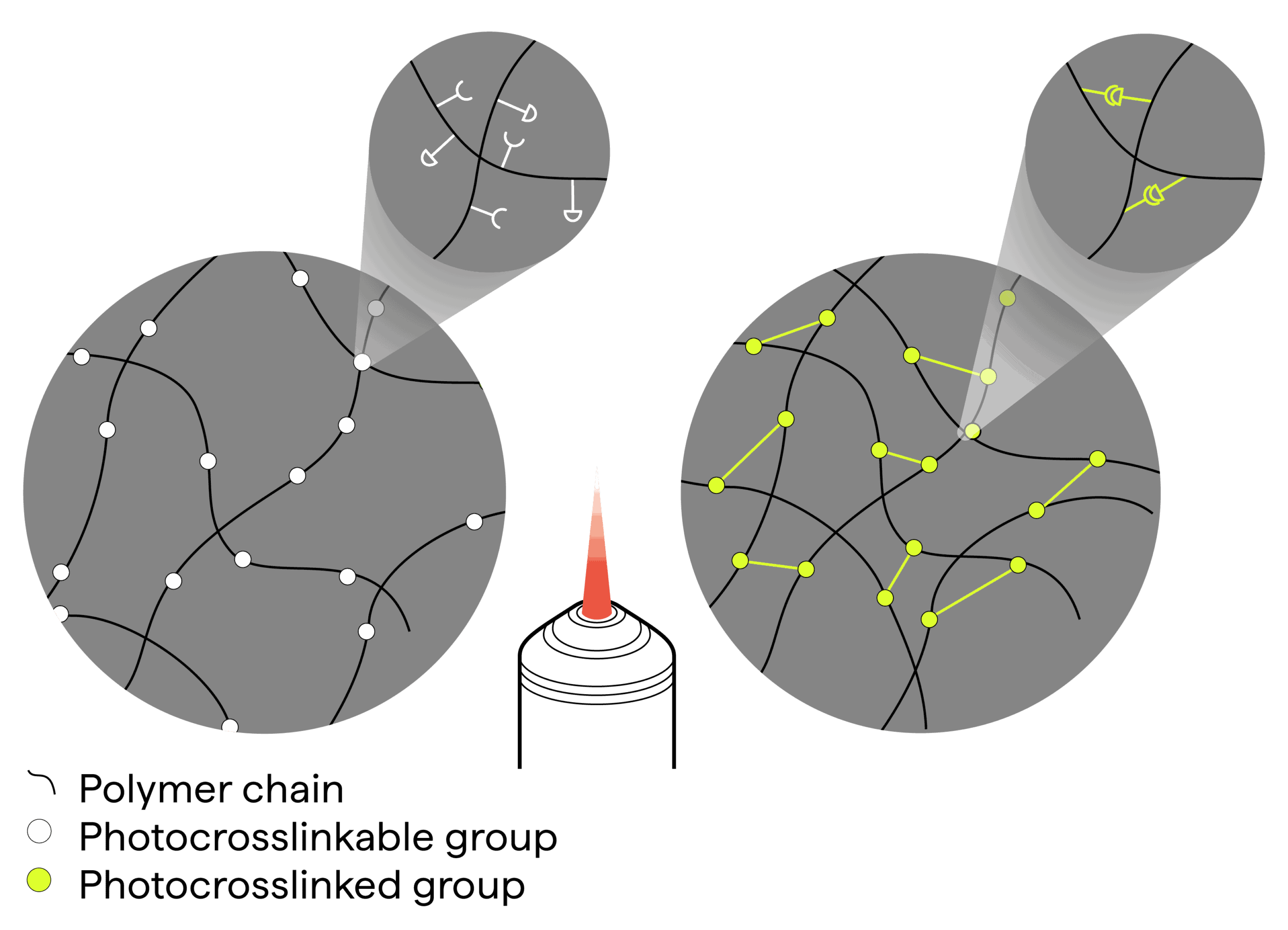
Photocrosslinking
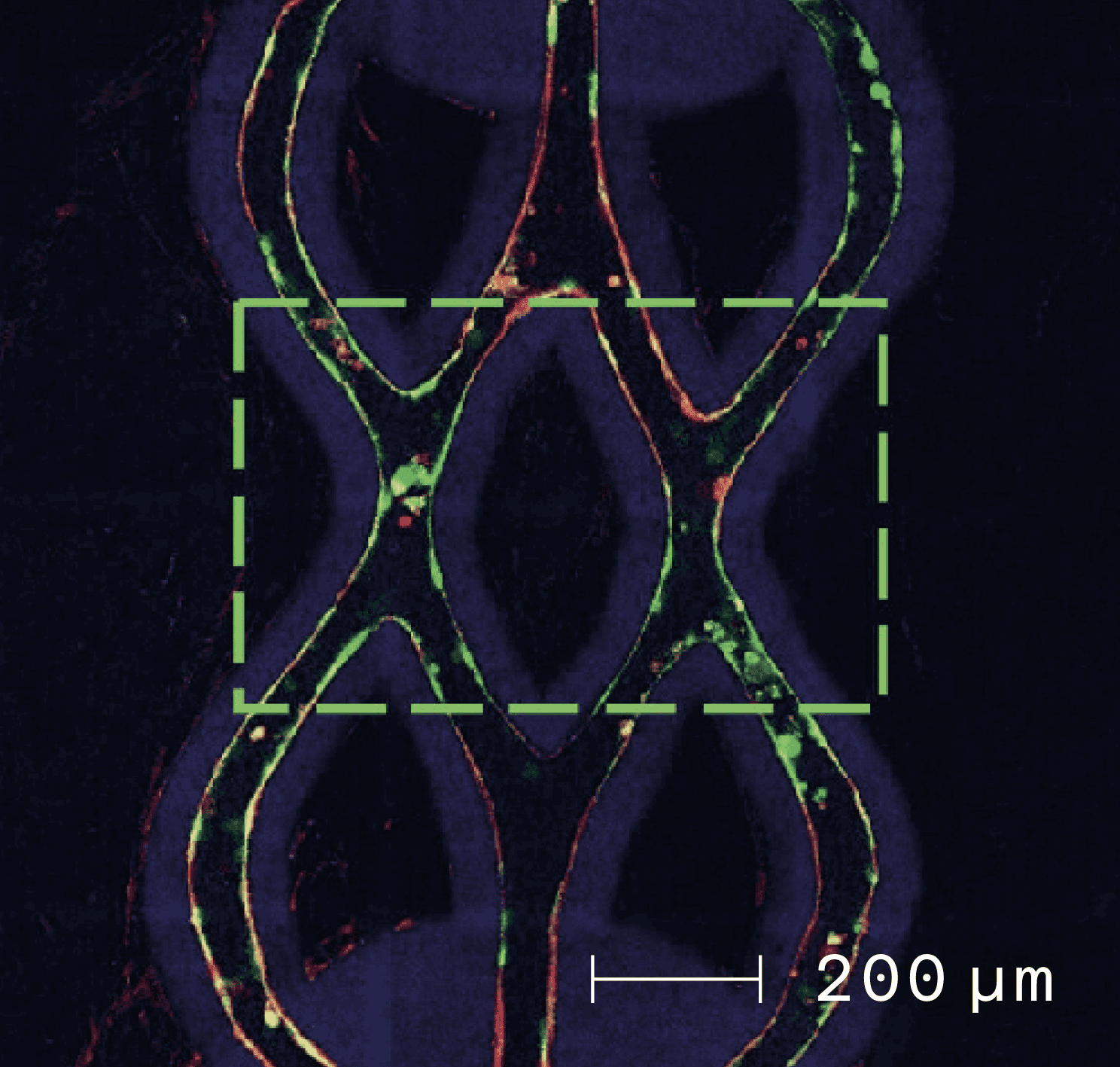
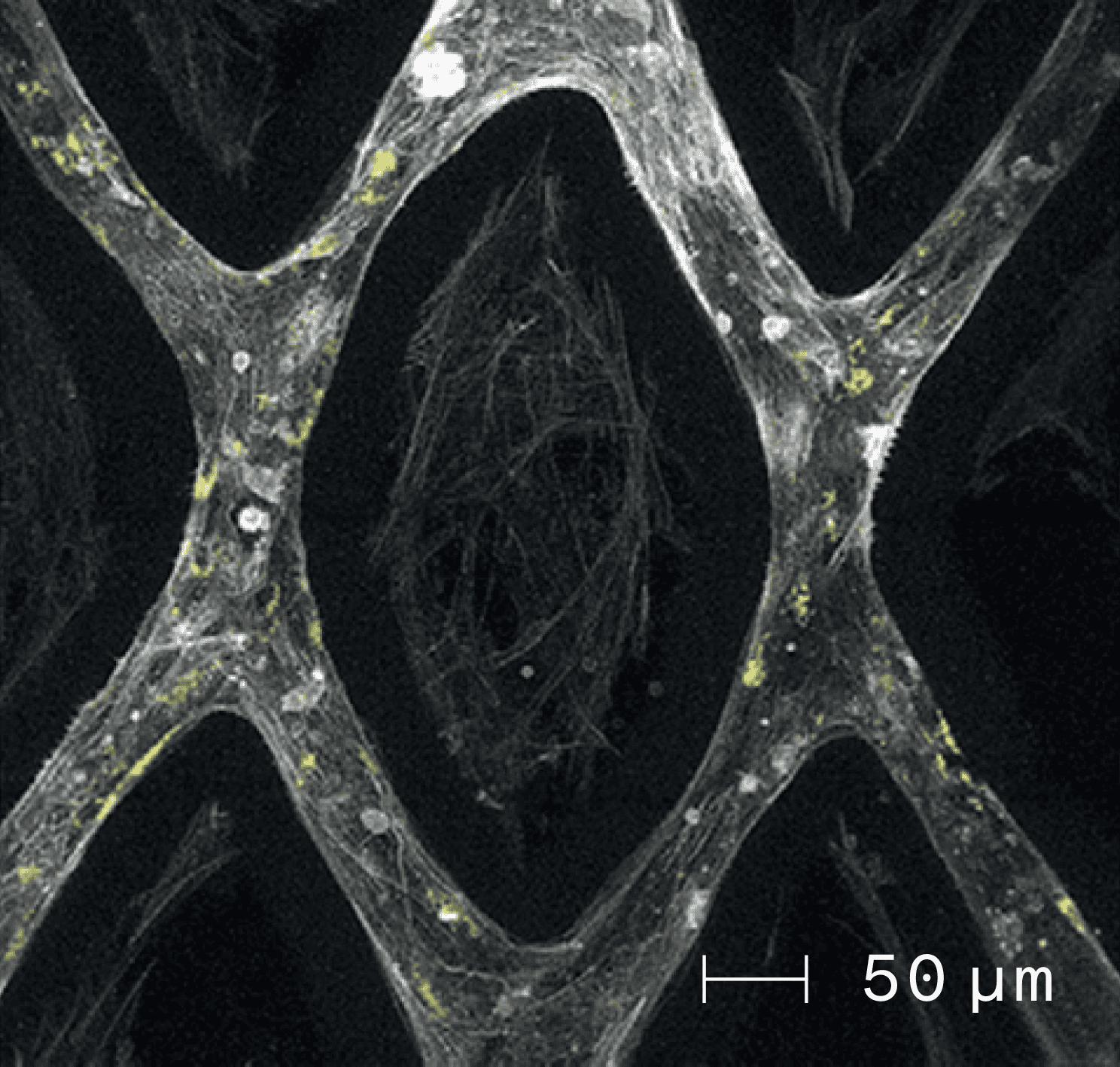
Photoablation
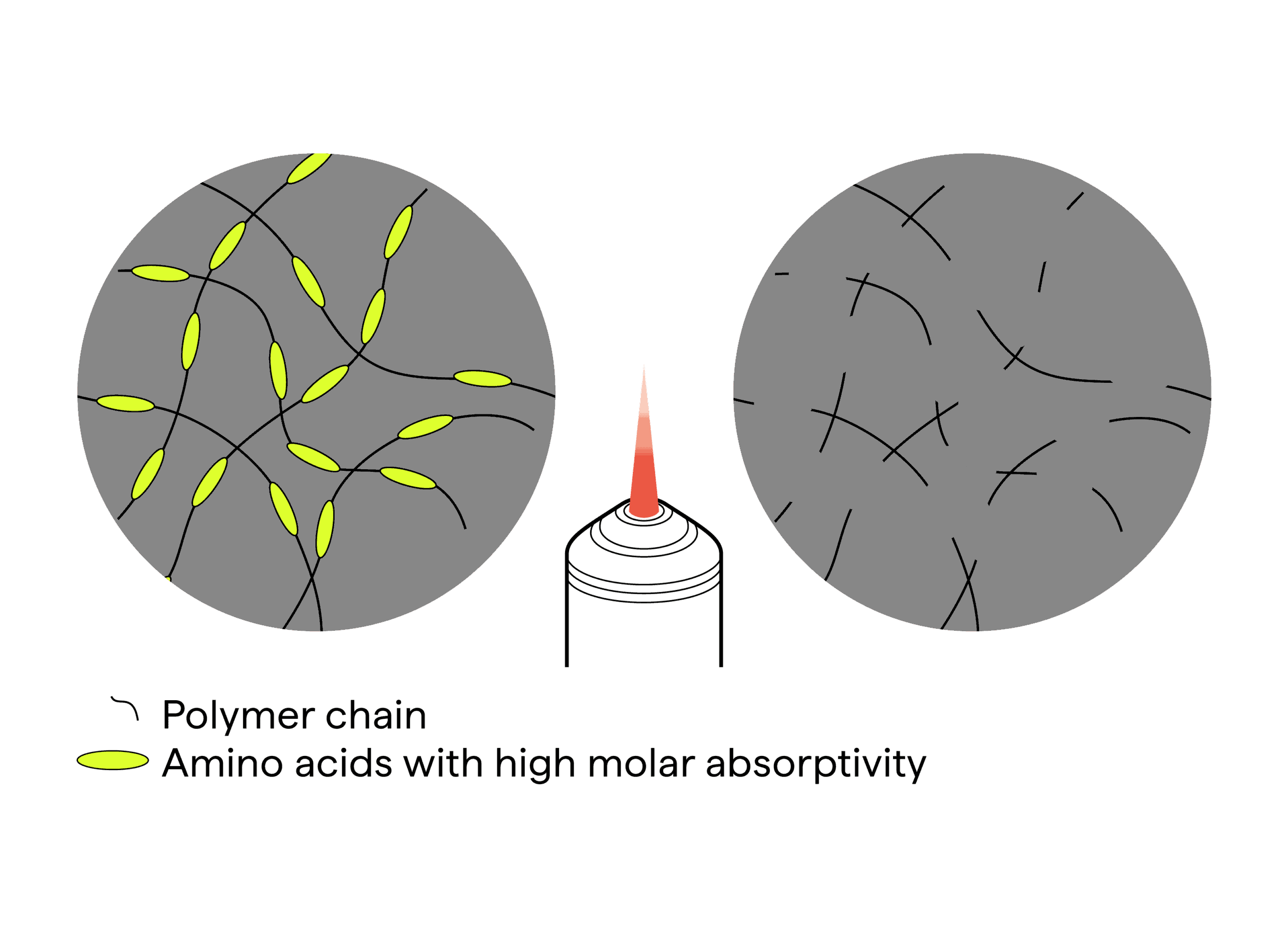
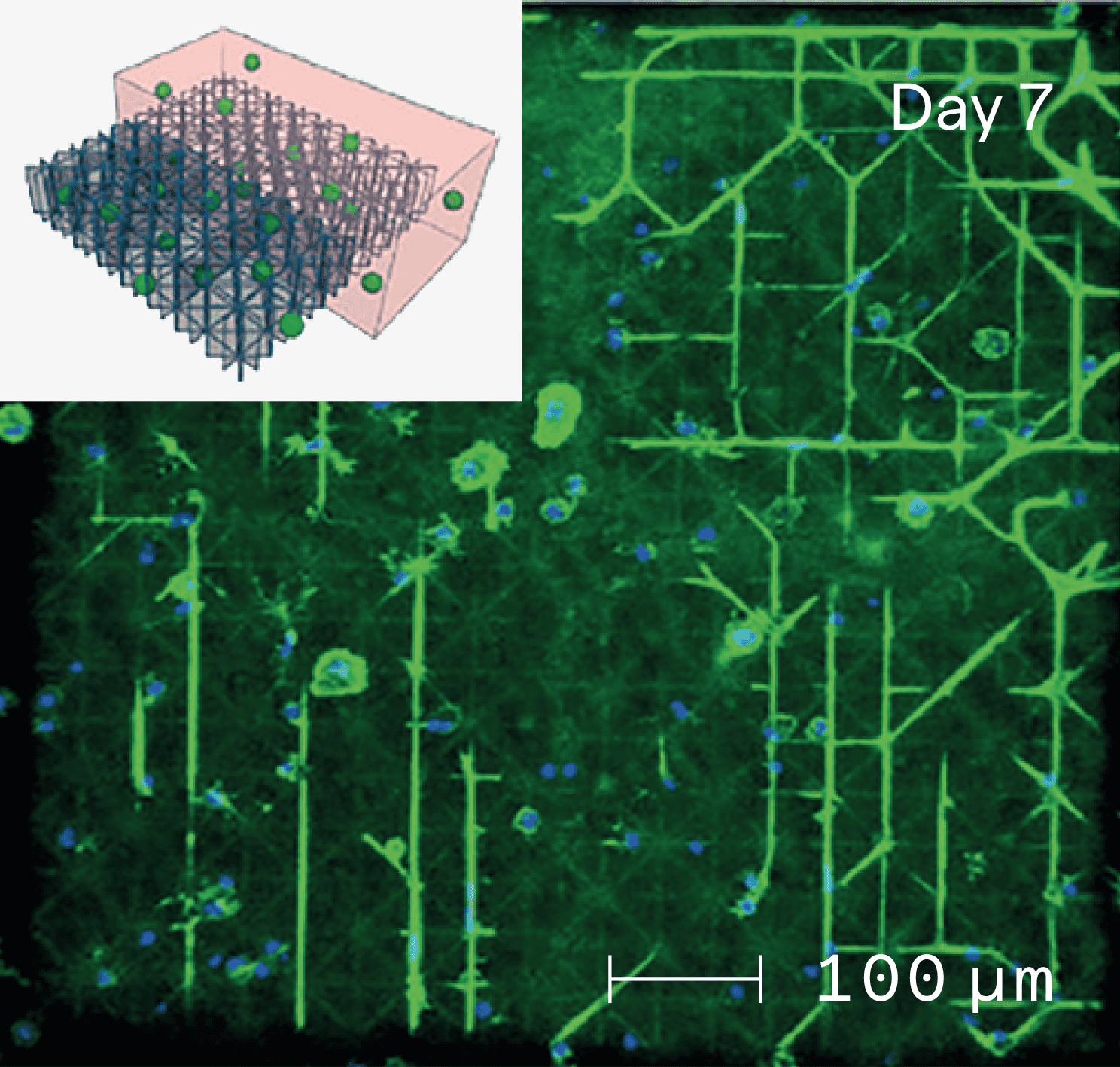
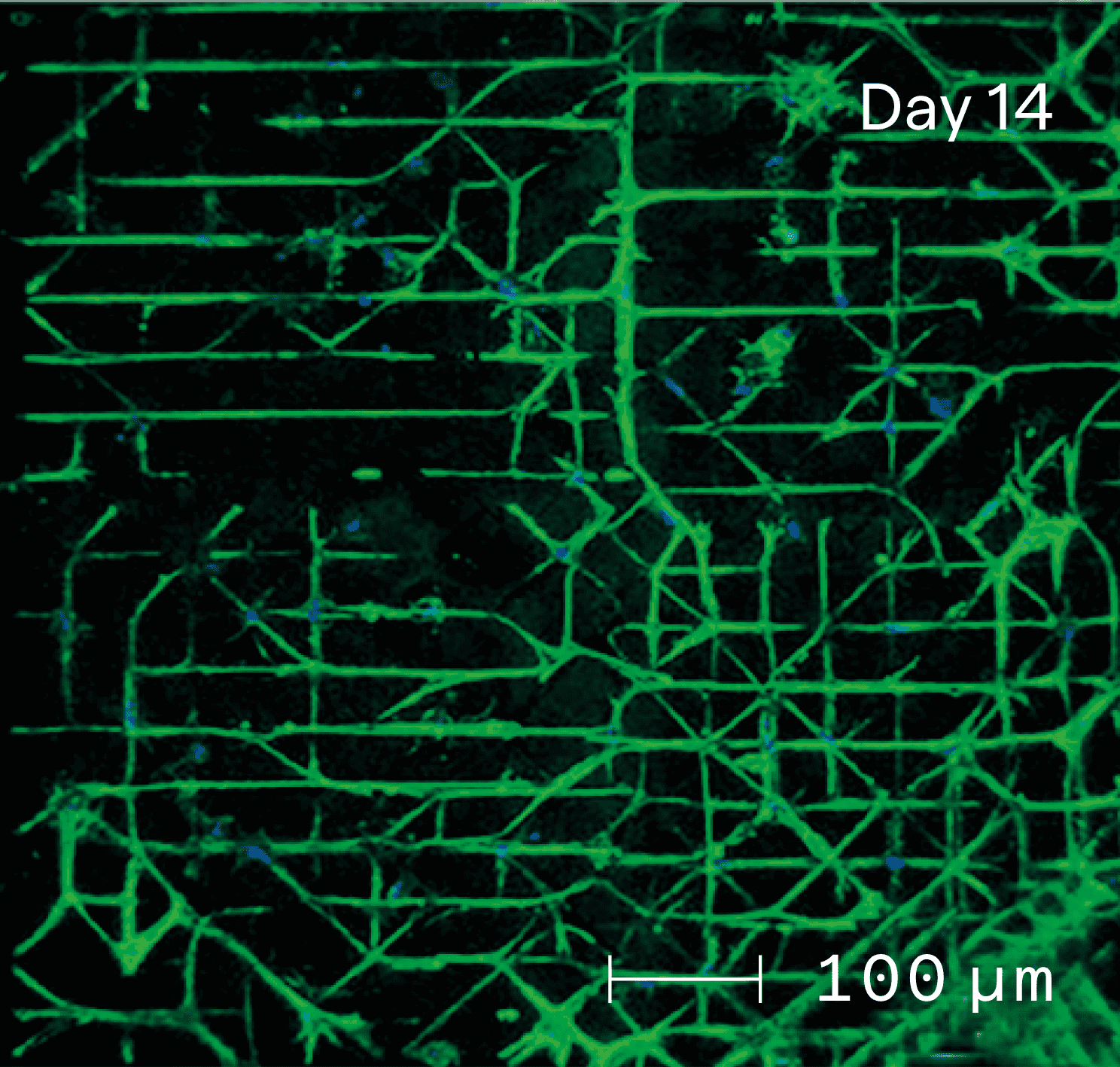
Photografting
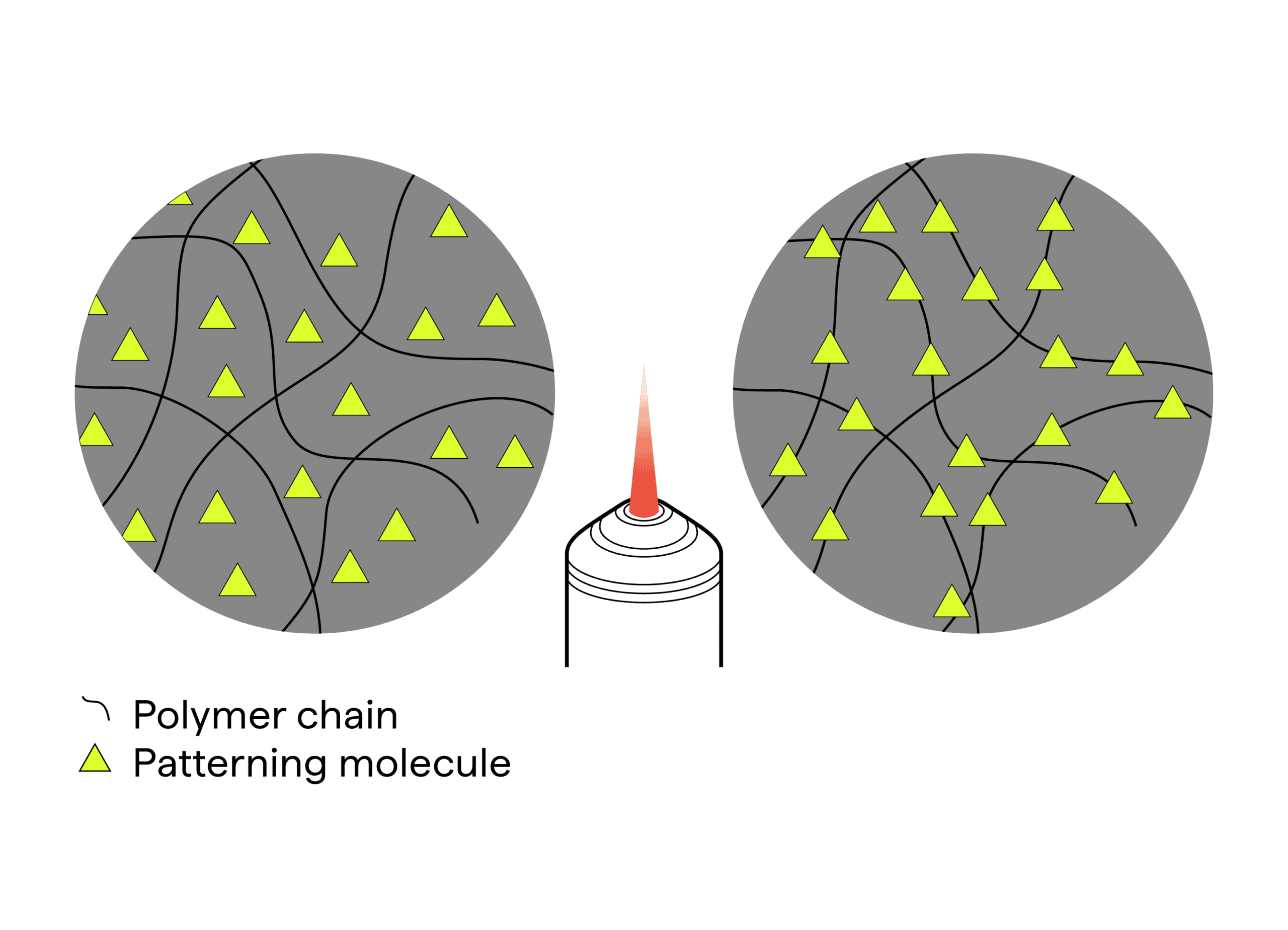
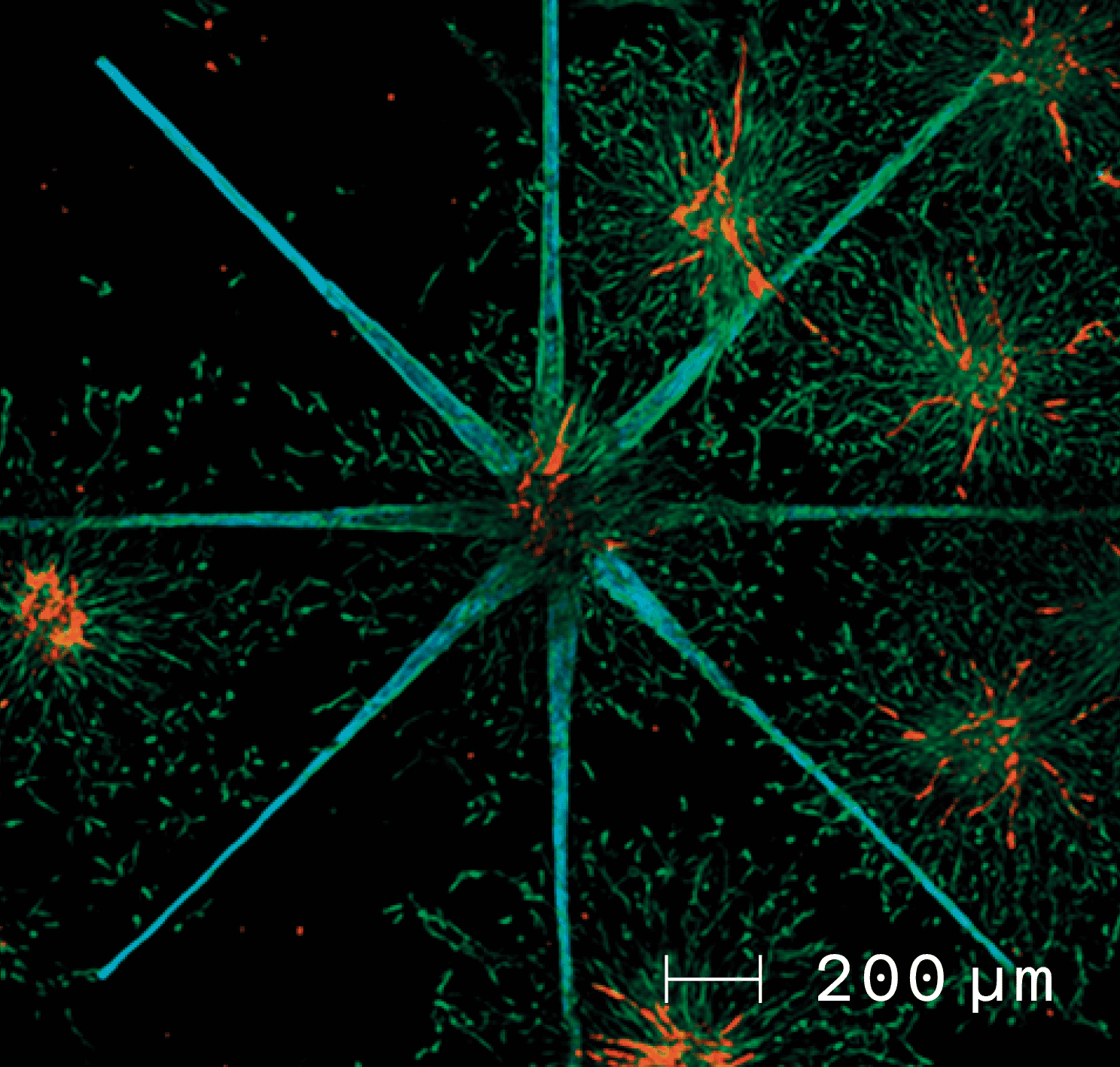
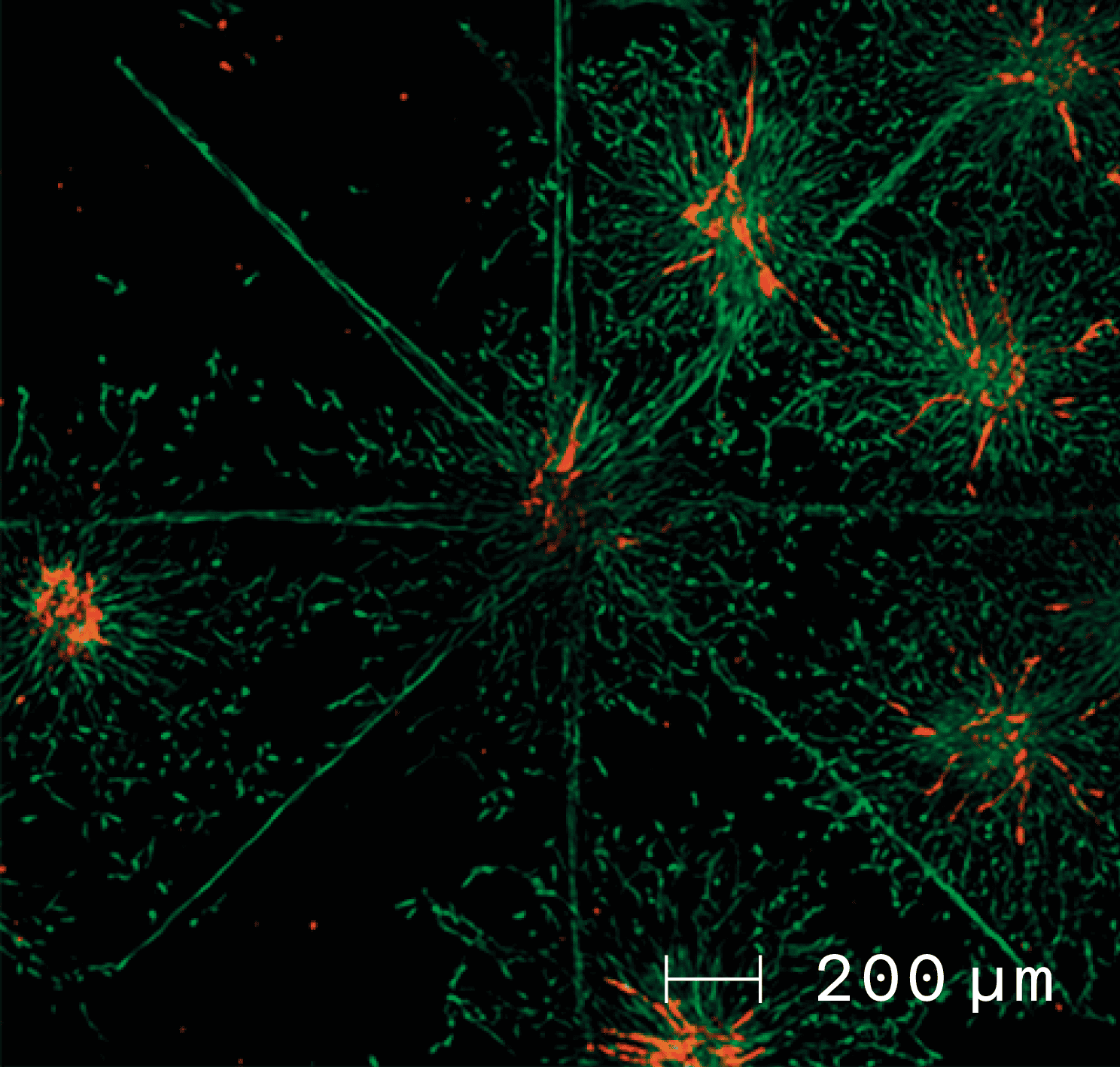
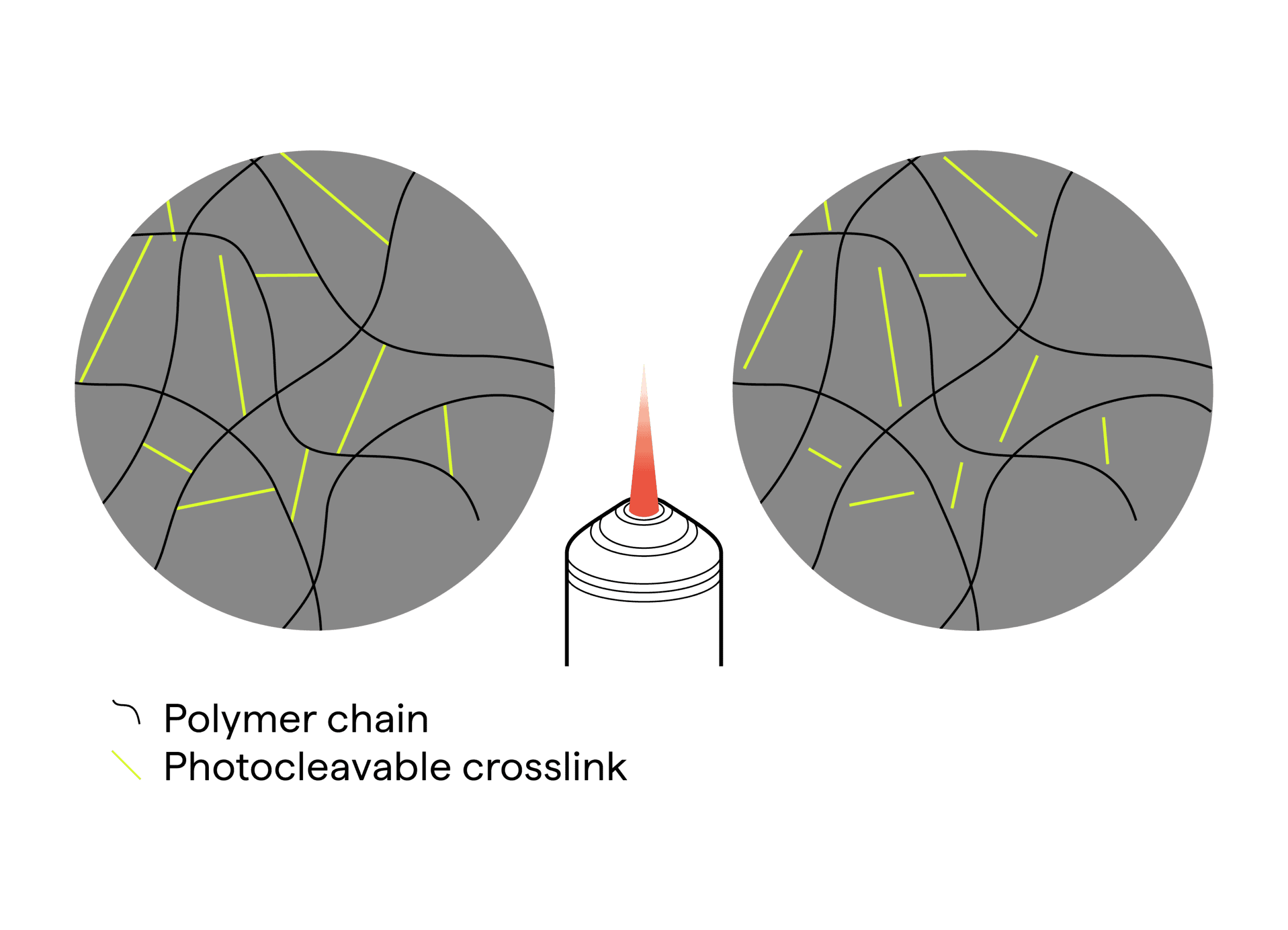
Photocleaving
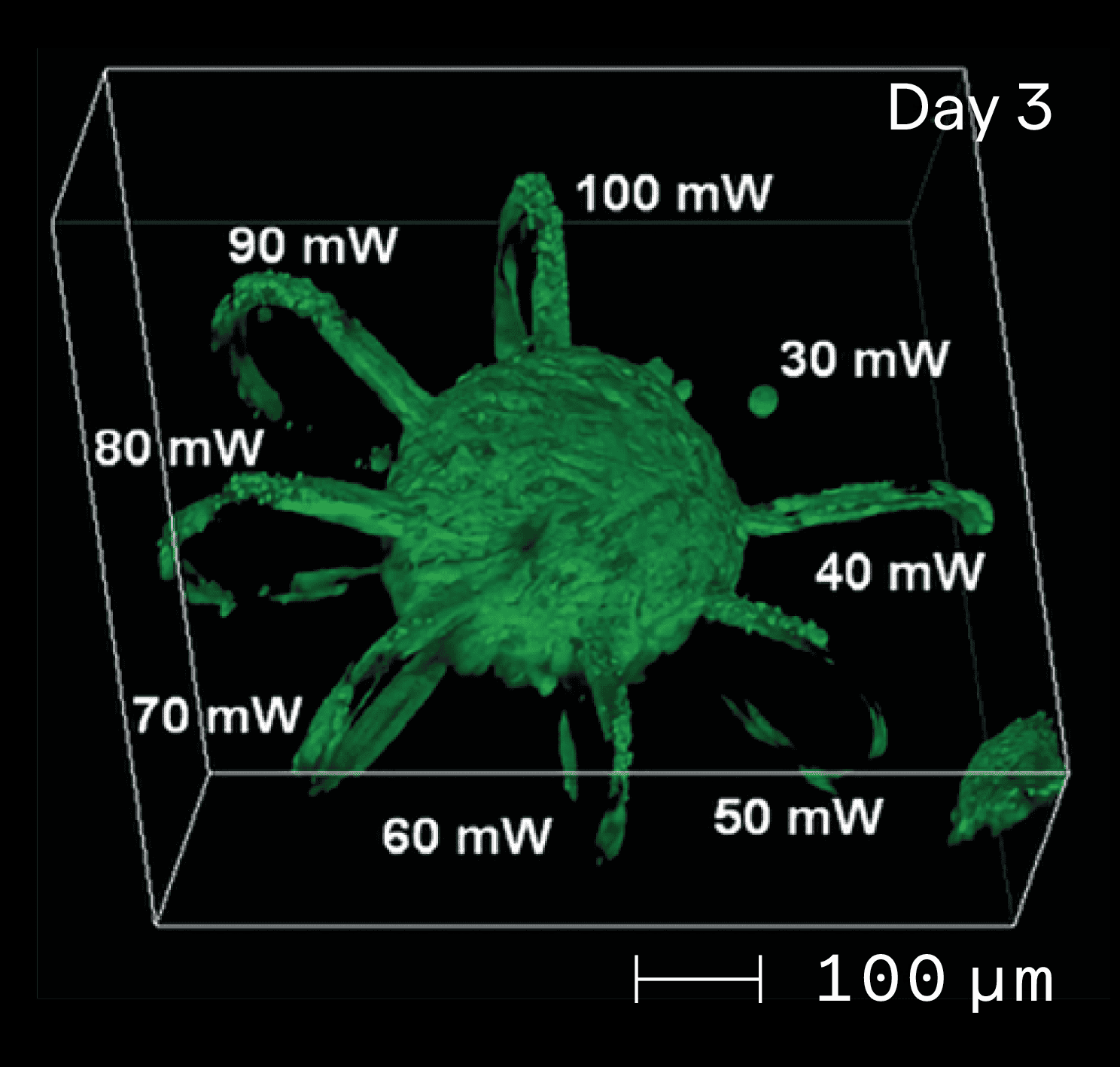
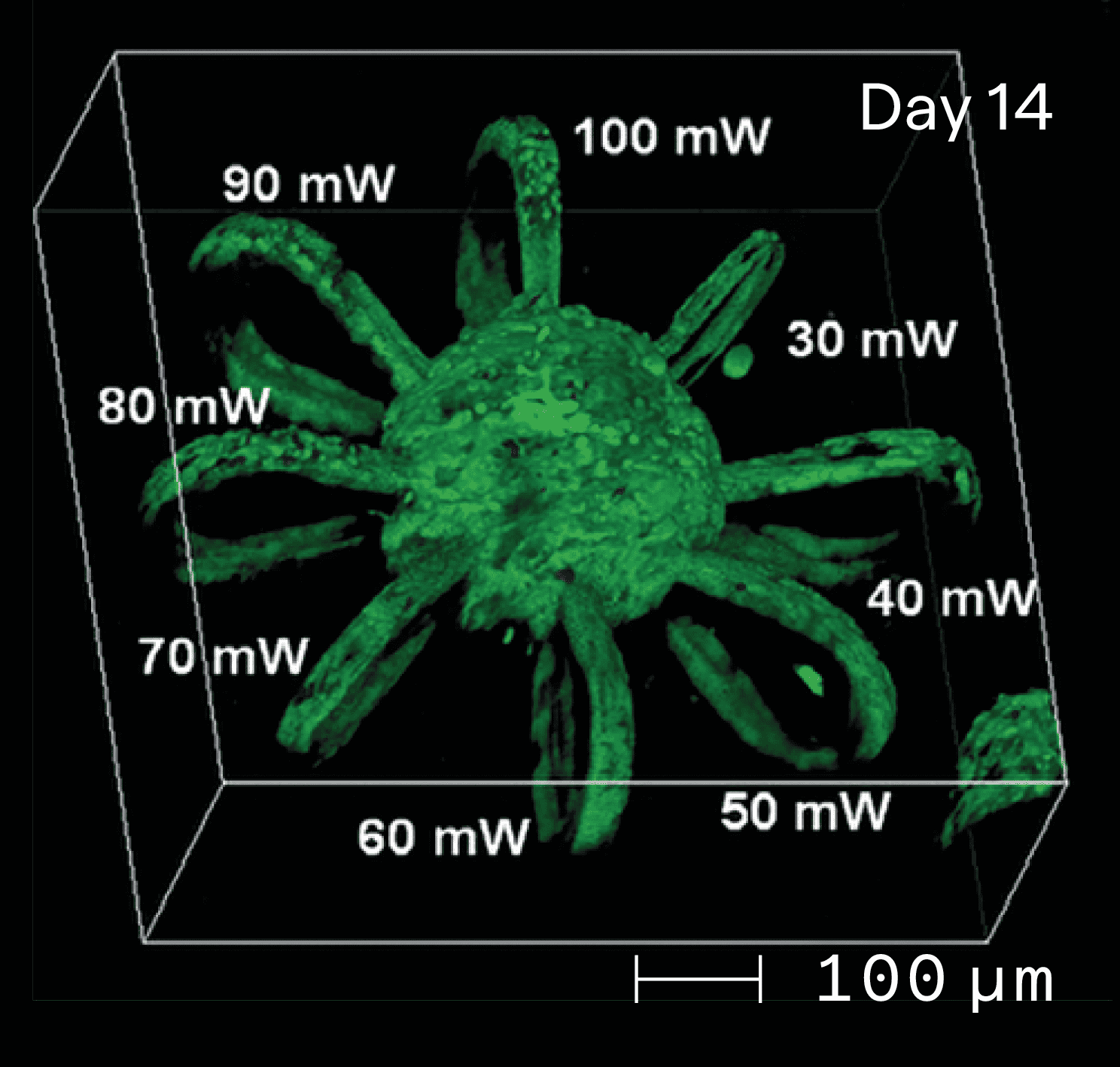
MORE BIOPRINTING IN ACTION
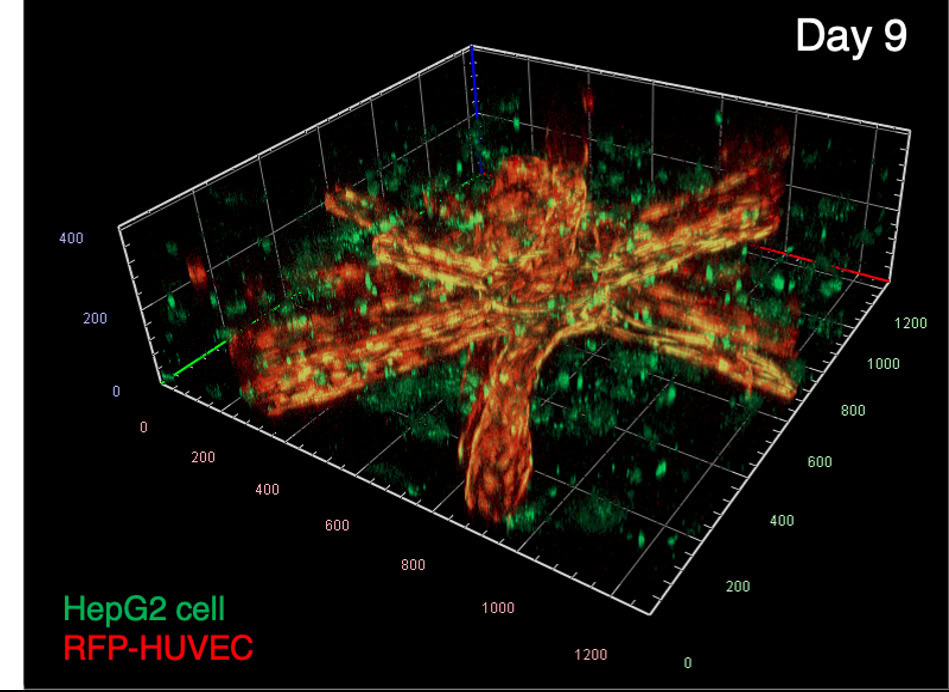
MICROVASCULARIZED LIVER-LOBULE ON A MICROFLUIDIC CHIP
Microphysiological systems are on the forefront of shifting from animal models to more predictive human systems in drug testing and disease modelling. 2PP enables the fabrication of key features of human tissue and organs directly inside of microfluidic chips.
See THE Nano One BIO in action
FURTHER VALIDATION IN PUBLISHED RESEARCH
Long-term ultrasound-enhanced convective injection device for neural drug delivery
Targeted brain delivery remains challenging, as current approaches require repeated craniotomies, tethered equipment, or systemic administration with poor blood-brain barrier (BBB) penetration.
Here, we present the long-term ultrasound-enhanced convective injection device (LUCID), a chronic implantable system integrating a flexible 24-element piezoelectric micromachined ultrasound transducer (pMUT) array with a two-photon 3D-printed cannula, wireless-powered PCB, and passive osmotic reservoir for fully implantable, ultrasound-enhanced convective delivery. Ultrasound increases interstitial transport and distribution volumes beyond conventional pressure-driven infusion. We demonstrate payload distribution across an escalating range of BBB exclusion: rhodamine B (479 Da), Gadavist (605 Da; in vivo), and TRITC-dextran (∼70 kDa; size matched to large therapeutic proteins). By eliminating repeated surgical interventions, LUCID enables longitudinal delivery regimens that locally enhance the distribution of BBB-excluded payloads, with potential applications in brain tumors and neurodegenerative diseases and gene therapy delivery directly to neural circuits. This technology addresses a critical unmet need for minimally invasive, programmable, long-term drug delivery.
Simple and robust aqueous sheet jets in vacuum
Free-standing thin liquid films offer a convenient way to probe matter in solution without a substrate, where a small sample thickness is required.
The production of thin films in a vacuum environment is required for probes that cannot penetrate through a surrounding gas or in cases where the gas produces problematic background noise. Nozzles that produce continuously flowing liquid sheet jets have been employed recently for scattering and spectroscopy measurements at X-ray free-electron lasers (XFELs). However, their performance in vacuum with aqueous samples is complicated by high freezing susceptibility due to a strong evaporative cooling effect. Here, we introduce a vacuum-compatible gas-impinging liquid sheet jet nozzle capable of generating sub-100 nm aqueous films. The introduction of a second axisymmetric helium gas sheath surrounding the liquid orifice enables seamless startup and shutdown within a vacuum environment. We investigated the sheet geometry dependence under varying flow conditions and liquid viscosity and demonstrated its viability for X-ray scattering measurements at a high-repetition-rate XFEL source. Finally, we present potential strategies for reducing sample consumption. Our findings confirm that this nozzle exhibits simplified vacuum operation and may help promote the broader utilization of liquid sheet jets for several experimental applications.
Bridging shallow flow theory and microfluidics: The role of confinement in shaping wake lengths and pressure loss
Flow past obstacle clusters in micro-channels is central to a wide range of microfluidic applications, yet its fundamental hydrodynamics remain poorly understood under strong geometric confinement.
No-slip boundary conditions on all walls enforce inherently three-dimensional (3D) flow structures in fully confined micro-channels, fundamentally altering wake formation, momentum transport, and drag mechanisms. A combined experimental and numerical investigation of wake dynamics behind obstacle clusters in laminar micro-channel flows is presented. High-resolution micro-particle image velocimetry and resolved 3D computational fluid dynamics simulations are employed to systematically explore the effects of Reynolds number and cluster porosity. We demonstrate that full wall confinement suppresses classical wake–regime transitions commonly observed in shallow and unconfined flows, including shear layer instabilities and vortex shedding. Instead, wake recovery is governed primarily by secondary flows that promote rapid momentum redistribution across the channel depth. As a result, wake length exhibits only weak dependence on Reynolds number and is controlled predominantly by cluster porosity. We further introduce the relative bleeding velocity as a unifying metric to characterize the transition from macro-particle to individual particle behavior. The relative bleeding velocity is the ratio of the mean velocity through the cluster’s main axis perpendicular to the inflow and the mean inflow velocity. These findings establish a distinct physical regime of confined wake flows, bridging the gap between classical shallow flow theory and microfluidic hydrodynamics, and provide a foundation for improved prediction of pressure losses, transport, and mixing in micro-reactors and porous microfluidic systems.
Mastering & replication
The NanoOne supports high-resolution 2PP master fabrication for replication workflows from soft lithography to industrial tool-based manufacturing. Adaptive Resolution technology enables detailed 2.5D and 3D microtopographies to be transferred via PDMS molding, NIL, casting, hot embossing or microinjection molding into materials that are not directly accessible by 2PP.
- Masters for soft lithography, nanoimprint, hot embossing and micro injection molding
- Surface roughness down to 5–10 nm, for optical-grade replicas
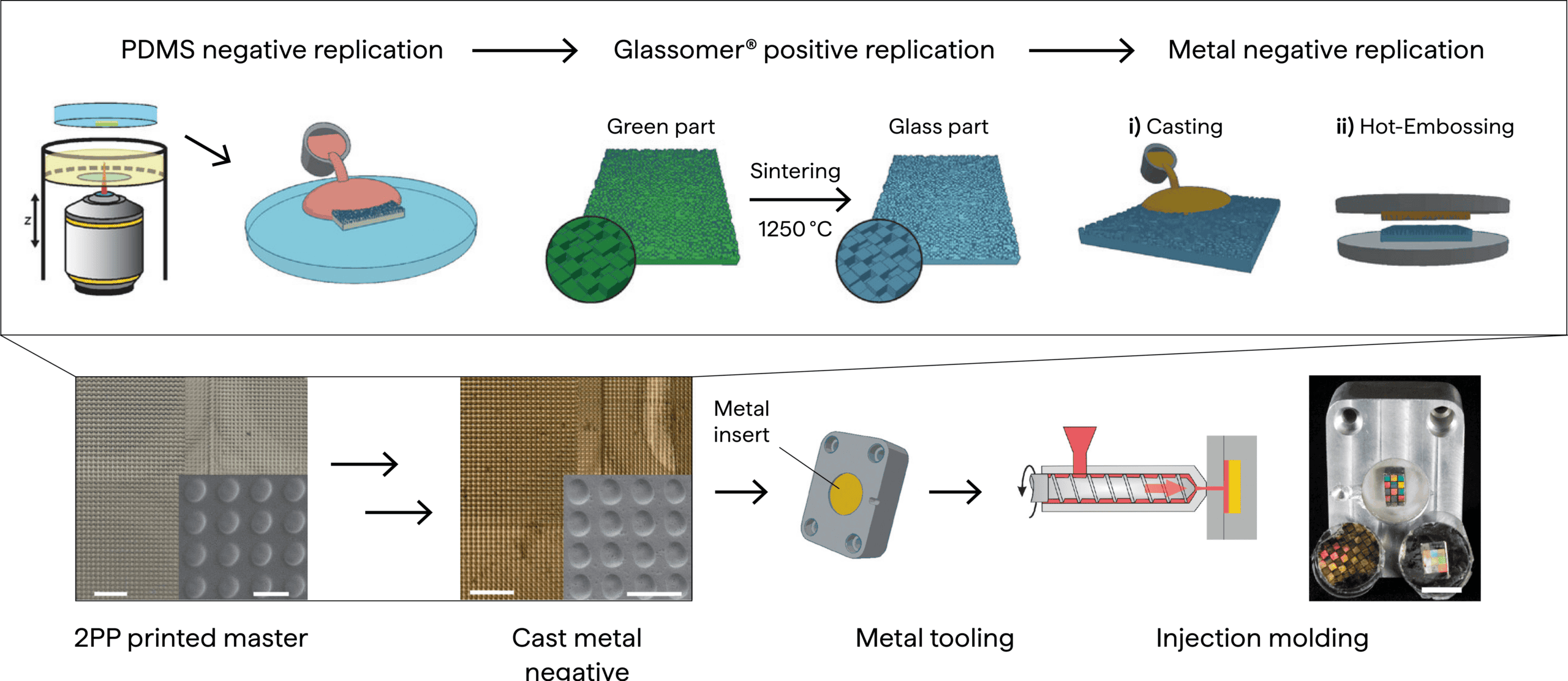
SUB-MICRON TOOLING FOR POLYMER REPLICATION
2PP-printed master structures are transferred into fused silica glass and amorphous metal inserts for sub-micron polymer replication by casting, hot embossing and injection molding, with no visible tool wear after 300 cycles.
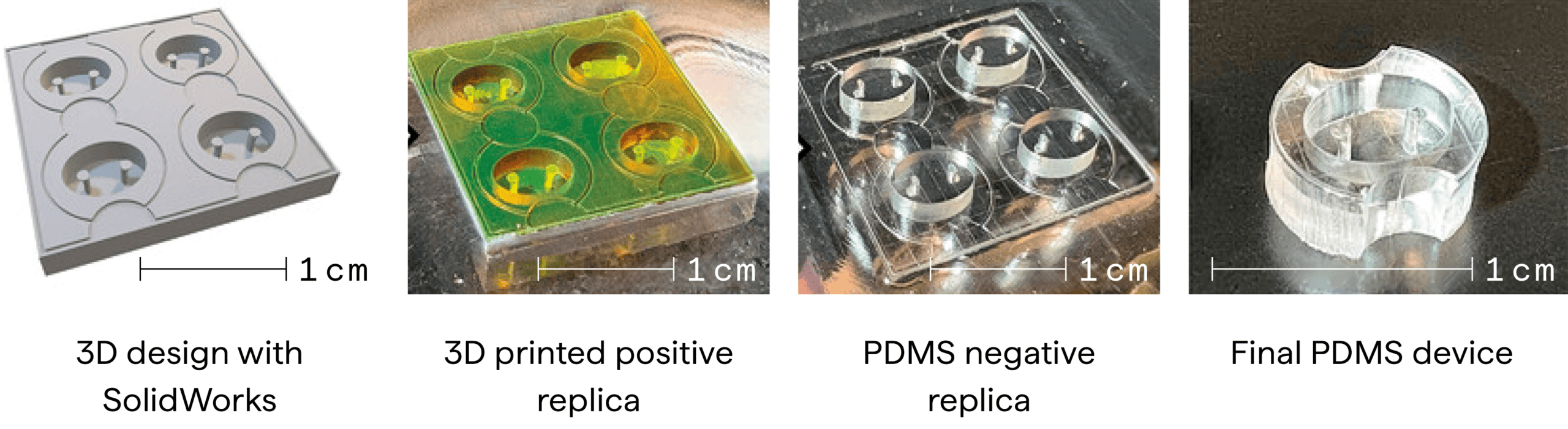
A MICROPHYSIOLOGICAL PDMS DEVICE
Master fabricated with the NanoOne enables PDMS molding workflows for customized biological and microphysiological devices from CAD design to 3D-printed positive replica, PDMS mold and final device.
FURTHER VALIDATION IN PUBLISHED RESEARCH
Design of Water-Resistant, Food-Grade Microneedles for Fish Injection and Underwater Cargo Delivery
Aquatic foods provide around 15% of consumed animal-derived protein worldwide and aquaculture now supplies most of it.
But the industry faces significant challenges in disease prevention and excessive use of antimicrobials. Vaccination, particularly for juvenile fish, can mitigate these risks, but manual and automated needle-based vaccination methods are costly, stressful, and labor-intensive. Here, a water-resistant, food-grade microneedle platform is designed to deliver cargos underwater. Silk fibroin-based microneedles are engineered to remain water resistant from minutes to hours in order to penetrate fish skin in wet conditions. To meet the requirements of different underwater applications, three microneedle morphologies─shell, solid-tip, and hollow─are developed, and their different combinations of mechanical integrity, water-resistance performance, cargo compatibility, and release kinetics are studied. The microneedles also preserve the supercoiled conformation of ⩾50% of the loaded pIHNVw-G plasmids─developed to protect fish against infectious hematopoietic necrosis virus─outside the cold chain for 4 weeks under dry conditions. In pilot animal studies, injected microneedles remain attached to zebrafish and juvenile rainbow trout while swimming. Using this food-based microneedle platform, we envision the development of tools for underwater vaccination of juvenile fish that increase aquaculture efficiencies and reduce environmental impact.
2D Skeletal Muscle Thin Film Actuators Enhance Efficiency of Biohybrid Robots
Biohybrid robots actuated by living skeletal muscles are capable of adaptive functional behaviors and could enable future applications ranging from precision microsurgery to unmanned exploration.
Skeletal muscle-powered robots typically rely on 3D tissues which require large cell volumes and offer limited control of muscle fiber alignment. Here, we present a method for fabricating 2D monolayers, or thin films, of skeletal muscle on micropatterned hydrogel skeletons. We vary skeleton design parameters to optimize fiber alignment and resultant actuation forces and strokes. Our optimized designs generate mN-scale forces and mm-scale force strokes from cm-scale tissues, significantly outperforming previous 2D skeletal muscle actuators and improving untethered longevity by ∼4500× from < 10 min to > 30 days. Moreover, such thin films increase force density (contractile force per unit tissue volume) by 20X as compared to 3D muscles, thus significantly increasing efficiency. We leverage optimized skeletal muscle thin films to power a multi-limbed robot with independent fins capable of on/off and frequency-dependent speed control. With these control inputs, we achieve steered multi-directional locomotion at speeds up to 4 body lengths per minute in straight movement and 1200 degrees per minute in rotational movement, highlighting potential for such actuators to power long-lasting functional robots.
Wireless Precise Manipulation of Tumor Spheroids Using a Millirobot Controlled by Permanent Magnetic Traps
Spheroids are important 3D multicellular culture systems that recapitulate key structural and functional features of native tissues.
However, label-free long-term and precise manipulation of spheroids in culture environments remains challenging. Here, we report a donut-shaped magnetic millirobot (DonutBot) controlled by permanent magnetic traps for wireless pick-and-place of individual tumor spheroids. The DonutBot is fabricated from magnetic calcium–alginate hydrogel, exhibiting excellent cytocompatibility. A strong in-plane magnetic trap is established by combining two opposing permanent magnet arrays. Under in vitro culture conditions, stable robot trapping is realized without external energy input or heat generation, ensuring secure positioning of the spheroid. The trapping force steadily holds the spheroid upon regular exchange of cell culture media. By integrating in-plane control and dynamic vertical control, the DonutBot enables automated pick-and-place manipulation of PANC-1 pancreatic tumor spheroids along designed trajectories. The miniature robotic manipulation system allows for continuous and precise spheroid manipulation under physiologically relevant conditions, offering new opportunities for long-term studies of spheroid mechanobiology.
Microsensoric
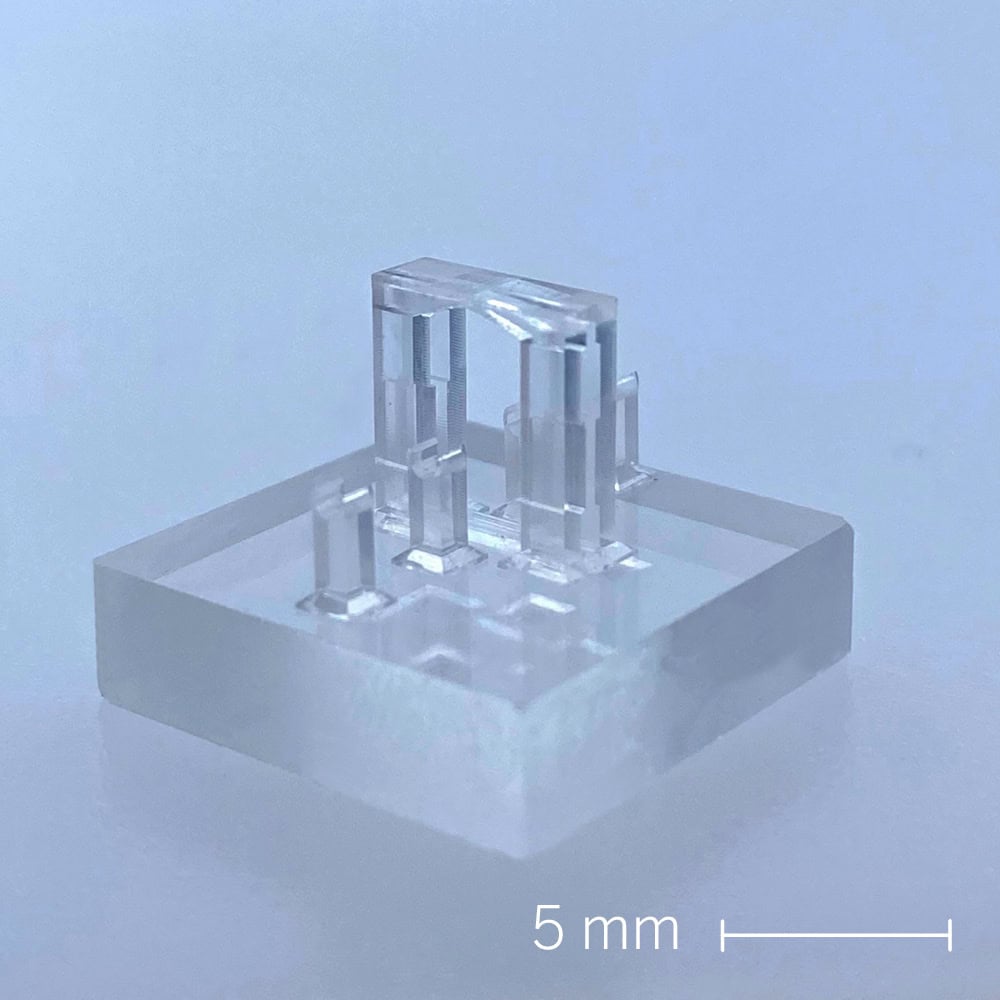
2PP 3D printed Microsensoric devices with integrated photonic circuits as well as thermochromic polymers or optical pH sensors, allow the development and production of intelligent wound dressings, which enable monitoring of wound healing processes without opening and removing the dressing. Due to the high number of wound dressings in a hospital setting, there is an urgent need for mass production.
FURTHER VALIDATION IN PUBLISHED RESEARCH
Integration of 3D-Printed Micro/Nanostructures with Interdigitated Electrodes for Low-Matrix-Effect Sensing
Electrochemical sensors offer the advantages of low cost, high sensitivity, and miniaturization for a wide range of biological applications, including in situ detection of cell metabolites and monitoring cell behavior in real time. However, the complex matrix in biosystems often leads to electrode fouling and inferior sensing performance. In addition to chemical barriers featuring assorted antifouling molecules or coatings, creating micro/nano hierarchical structures on top of electrodes can provide physical barriers to mitigate matrix interference without affecting electron transfer. The emerging two-photon polymerization (TPP) 3D printing technique with the capability to produce precise submicron to several micrometer features on a variety of substrates has enabled the straightforward fabrication of complex hierarchical structures. In this paper, we integrate the value-added micro/nanostructures made by TPP printing with the interdigitated electrode-based sensors and demonstrate the platform’s advantages in filtering out small interfering micro-objects and thus reducing matrix effects. Applying the novel approach to real-time cell monitoring, a 3D-printed microstructure-integrated platform shows higher sensitivity (i.e., the slope of the calibration curve) to model redox analytes in cell culture medium compared to bare electrodes, which display compromised sensitivity due to cell passivation. This research opens a new avenue for mitigating matrix interference and enhancing electrochemical sensing with significant implications across a broad range of applications.
Interested in exploring how UpNano can support your optics or photonics application? Send us a message to discover what’s possible with our team.

Bernhard Küenburg
CEO and Co-founder
We aim to train and inspire engineers to completely challenge their way of designing new products with microscale additive manufacturing now in mind. We open doors into a new design-universe without the limitations set forth by current methods like microinjection molding or substrative technologies such as milling.