
NanoOne bio

Experience the groundbreaking capabilities of the NanoOne bio package, the only 2PP printer with an integrated incubation system. The NanoOne’s bio variant combines the potential for biocompatible applications with the characteristic high precision and versatility of the NanoOne 1000, achieving unparalleled precision in 3D printing of structures in the presence of living cells. From creating cell models that mimic natural tissue topography to the sterile fabrication of cell scaffolds, NanoOne bio opens doors to a new era in biomedical research. Join us in shaping the future of bioprinting.
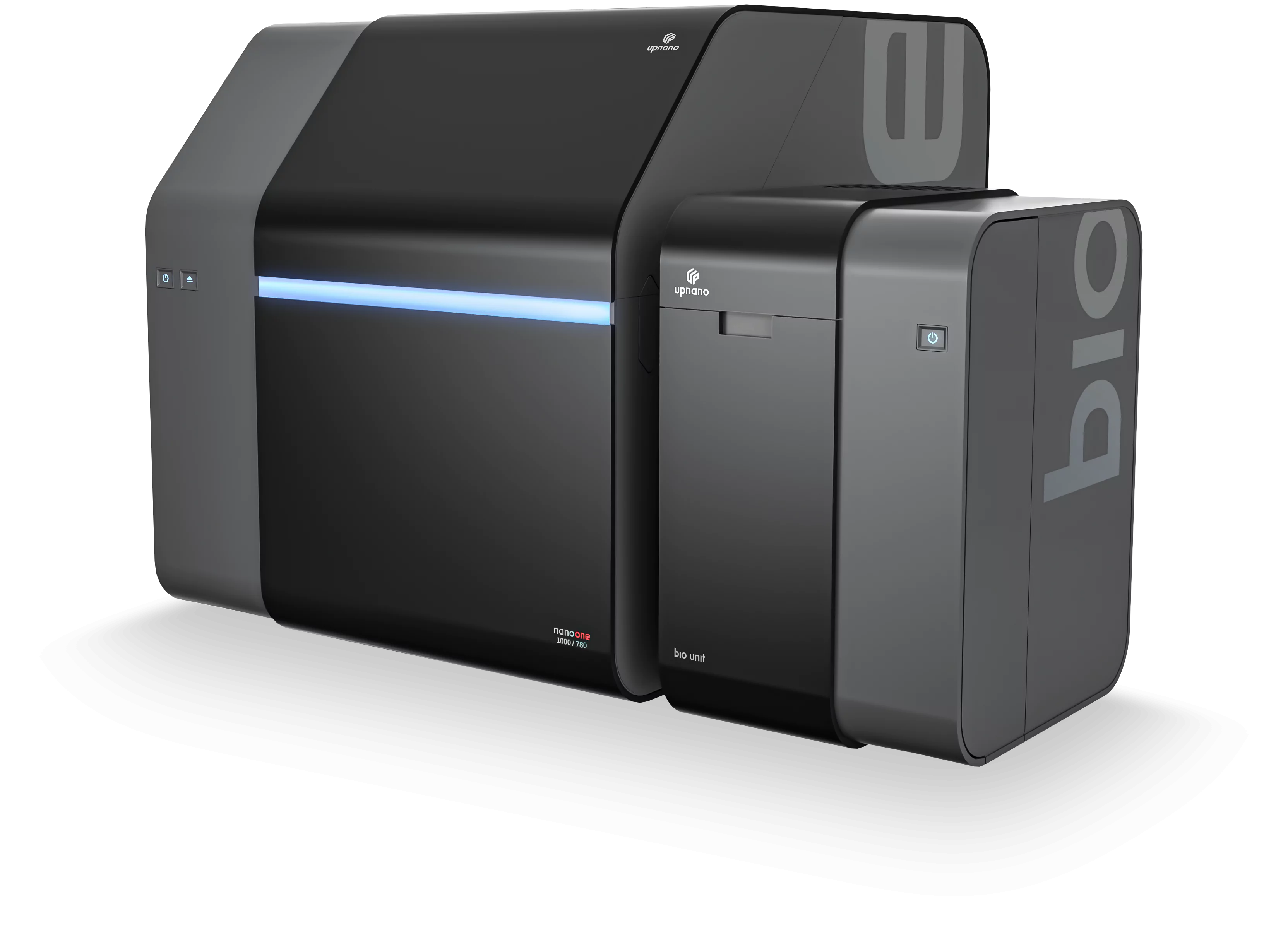
Average Power of the femtosecond laser
1000 mW
Pulse length of the laser beam
90 fs
Included high-performance objectives
40x NA 1.4
20x NA 0.7
10x NA 0.4
10x NA 0.3
5x NA 0.25
Customized beyond precise bioprinting
NanoOne systems offer both a standard configuration and the flexibility to customize with additional modules to meet specific application demands. Easily explore upgrade options to ensure your NanoOne bio package meets your requirements. These upgrades can be retrofitted at any time, ensuring your system evolves alongside your innovative manufacturing approaches. NanoOne Bio’s capabilities extend beyond bioprinting, making it versatile for various applications.
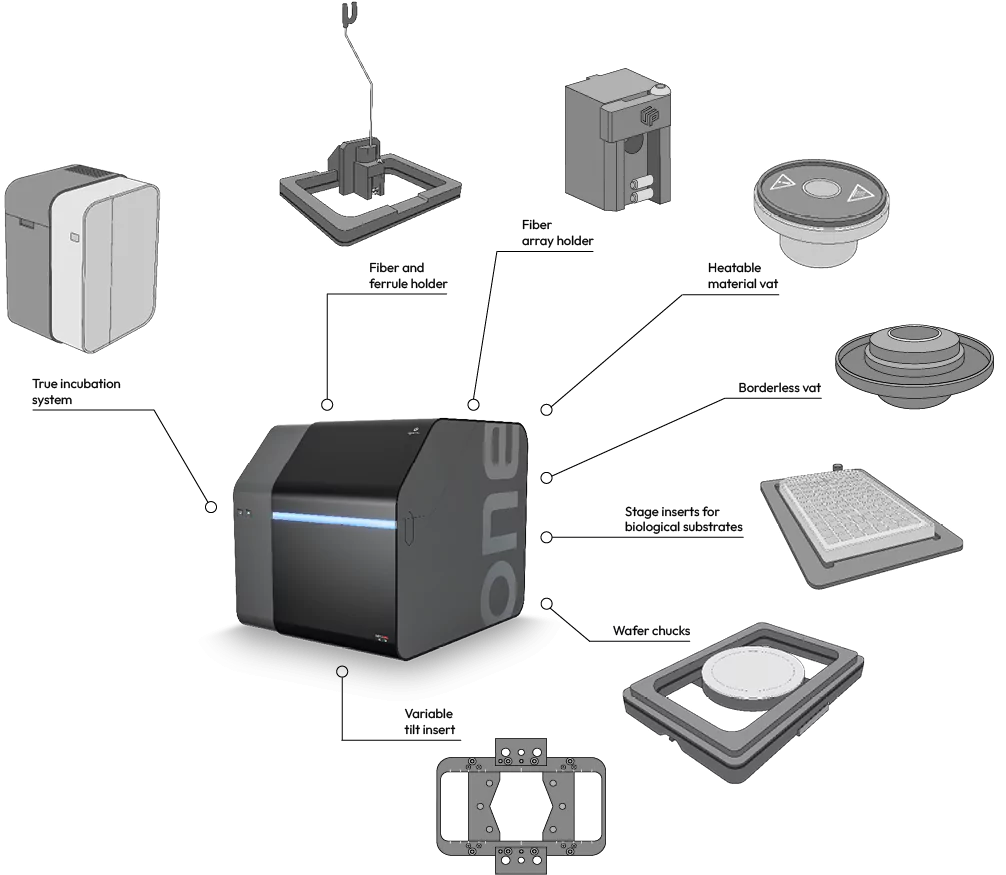
Design with a focus on biological applications
Cell-containing samples for three-dimensional in-vitro tests
Filter elements with defined pore sizes and gyroid structures
Barrier models with defined semi-permeability within microfluidic chips
Scaffold structures positioned in each individual well of a cell culture plate
Cell models mimicking natural tissue topography and microenvironment
Medical devices such as implants or microneedle arrays
Specifications of the system
|
System type |
Desktop multiphoton laser lithography system |
|---|---|
|
Printing process |
Layer-by-layer 2-photon polymerization |
|
Light source |
Femtosecond fiber laser |
|
Laser wavelength |
780 |
|
Scanner |
Galvanometer scanner |
|
Stage |
Long-range piezo stage |
|
Maximum travel range |
Up to 120 x 100 x 49 mm |
|
Stage address grid |
10 nm |
|
System dimensions |
Benchtop system 94.0 x 71.0 x 65.0 cm³ |
|
Total weight |
156 kg |
Overview of NanoOne models
| |  |  | |
|---|---|---|---|
|
Average Power |
250 mW |
1.000 mW |
1.000 mW |
|
Pulse length |
95 fs |
95 fs |
90 fs |
|
Standard objectives |
40x NA 1.4 20x NA 0.7 10x NA 0.4 |
40x NA 1.4 20x NA 0.7 10x NA 0.4 5x NA 0.25 |
40x NA 1.4 20x NA 0.7 10x NA 0.4 10x NA 0.3 5x NA 0.25 |
|
System dimensions Total weight |
58.5 x 71.0 x 65.0 cm³ 124 kg |
58.5 x 71.0 x 65.0 cm³ 124 kg |
94.0 x 71.0 x 65.0 cm³ 156 kg |
|
System type |
Desktop multiphoton laser lithography system |
|---|---|
|
Printing process |
Layer-by-layer 2-photon polymerization |
|
Light source |
Femtosecond fiber laser |
|
Laser wavelength |
780 |
|
Scanner |
Galvanometer scanner |
|
Stage |
Long-range piezo stage |
|
Maximum travel range |
Up to 120 x 100 x 49 mm |
|
Stage address grid |
10 nm |
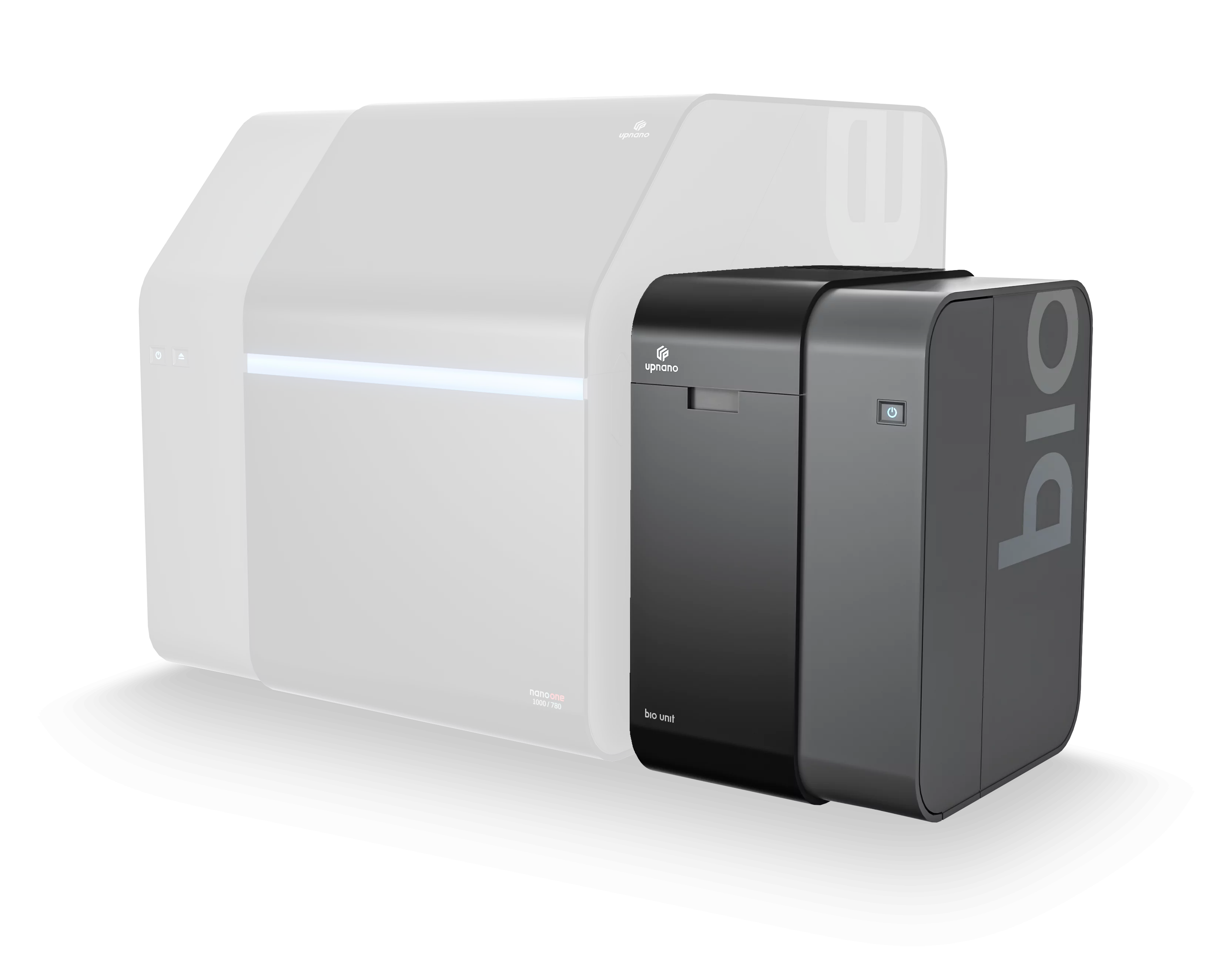
The only true incubation system for 2PP-3D printing systems
The UpNano BioUnit is the centerpiece of the NanoOne’s bio variant and an upgrade opportunity for all printing systems. It’s the only true incubation system for high-resolution 3D printing, providing a native, stress-free environment for the living cells during the printing process. The stage-top incubation system offers a plethora of features, allowing adjustments to match the preferred environmental conditions of the respective cell type and ensures these conditions during printing.
High-resolution bioprinting with living cells
Our comprehensive incubation system comprises of two controller units, a heating panel, and a CO2 gas incubation system. The gas incubation system provides a regulated gas atmosphere along with precise humidity levels within a continuous gas stream circulated through the incubation chamber. Meanwhile the heating panel maintains the ambient temperature required by the specific cell type, ensuring a native environment during the printing process and thus preserving cell viability.
Ambient temperature to 45°C ± 0.05°C
Actively humidified 20–99% ± 0.1%
CO₂ concentration 0–15%
Experience the future of bioprinting with NanoOne
Direct printing of living cells for cutting-edge research, unrestricted substrate options, and precise control of environmental conditions for optimal cell viability.
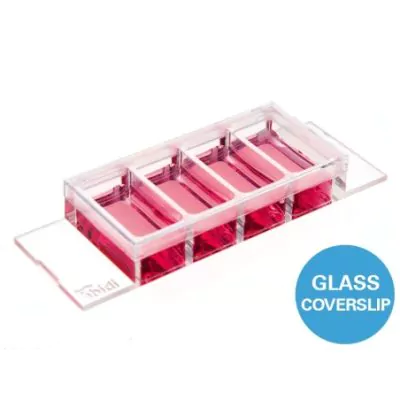
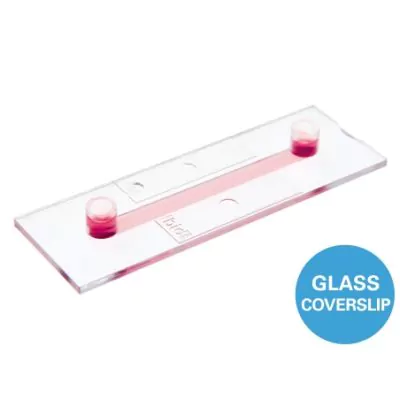
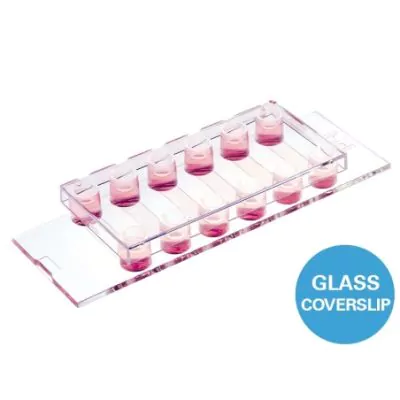
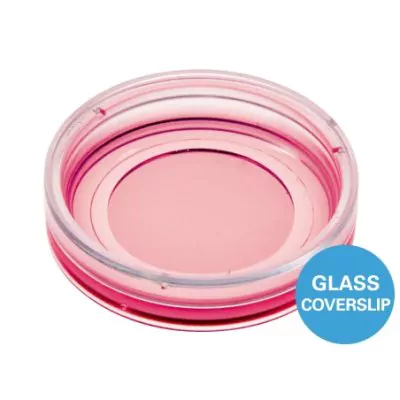
High-resolution bioprinting with the NanoOne printing system enables direct printing of living cells. Cells embedded into the printing resin can be used for three-dimensional in-vitro cell tests and high-resolution 3D bioprinting, which have become increasingly important in cell culture, tissue regeneration and pharmaceutical research. There is hardly any restriction in the choice of substrate – cell culture plates, petri dishes or microfluidic chips with glass bottoms can be inserted into the system. In combination with the BioUnit native temperature, humidity, and CO2 conditions are maintained during the printing process, ensuring cell viability.


Revolutionize the manufacturing of 3D scaffold structures
Biocompatible resins, perfect for mimicking cellular microenvironments and setting new standards in preclinical research and therapeutic strategies.
Sterile-manufactured scaffolds with UpNano’s biocompatible resins enable the fabrication of structures and surface textures mimicking the microenvironment of cells. These three-dimensional culture approaches, along with the results obtained from them, are becoming increasingly important in preclinical research and will be groundbreaking for future therapeutic strategies. In addition to the BIO INX® biofunctional material portfolio, five UpNano resins have been certified as non-cytotoxic and highly biocompatible according to EN ISO 10992-5:2009. Furthermore, the UpOpto and UpFlow resins exhibit low fluorescence, making them advantageous for cell biological applications and microscopy.
Rethinking production of microfluidic and microphysiological systems
UpNano’s dip-in free proprietary process unlocks new possibilities in 3D printing directly within a microfluidic chip or cell culture well.
This offers high-precision manufacturing for microfluidic and microphysiological systems. With this innovative approach, producing geometries within substrates, as well as entire chip designs with complex internal channel structures as small as 10 µm, has never been easier and safer for cells. This allows for contamination-free printing of elements such as separators, channels, membranes, or scaffolds, with the material prepared and post-processed under the cell culture hood.

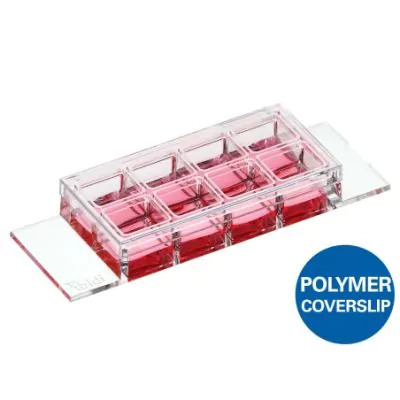
Examples of compatible cell-culture substrates
Biocompatible 3D printing resins according to EN ISO 10993-5
In addition to a cell-compatible process, the choice of printing resin is crucial. With our collaboration with the Belgian company BIO INX®, we have developed a biofunctional material portfolio that is not only cell-compatible but also optimized for the NanoOne platform. Moreover, UpNano offers a portfolio of five biocompatible resins certified as non-cytotoxic according to EN ISO 10993-5:2009. Each of these resins, in addition to being biocompatible, has unique properties that highlight the wide range of possible applications. Choose UpNano for both cell compatibility and versatility in resin selection.





Get more information about our other 3D printers

Downloads
Please click image to download the document.


